 Lynden Roofing
 Wiser Lake Homes Take a Different Kind of Weather Beating
Wiser Lake sits out in the farmland and lake country just outside Lynden, close enough to the Salish Sea that marine air rolls inland on a regular basis. That means long wet winters, driving rain that comes in sideways when wind kicks up across open water, and tree-shaded lots that stay damp for days after a storm passes through. Add in the salt-tinged air that's common across Whatcom County and you get exterior walls that age faster than most manufacturers' warranty brochures let on.
This isn't a generic "siding wears out eventually" problem. It's a specific combination of moisture, shade, and wind exposure that shows up differently on a lake property than it does on a dry, open lot in town. A siding installation done right for Wiser Lake accounts for all three.
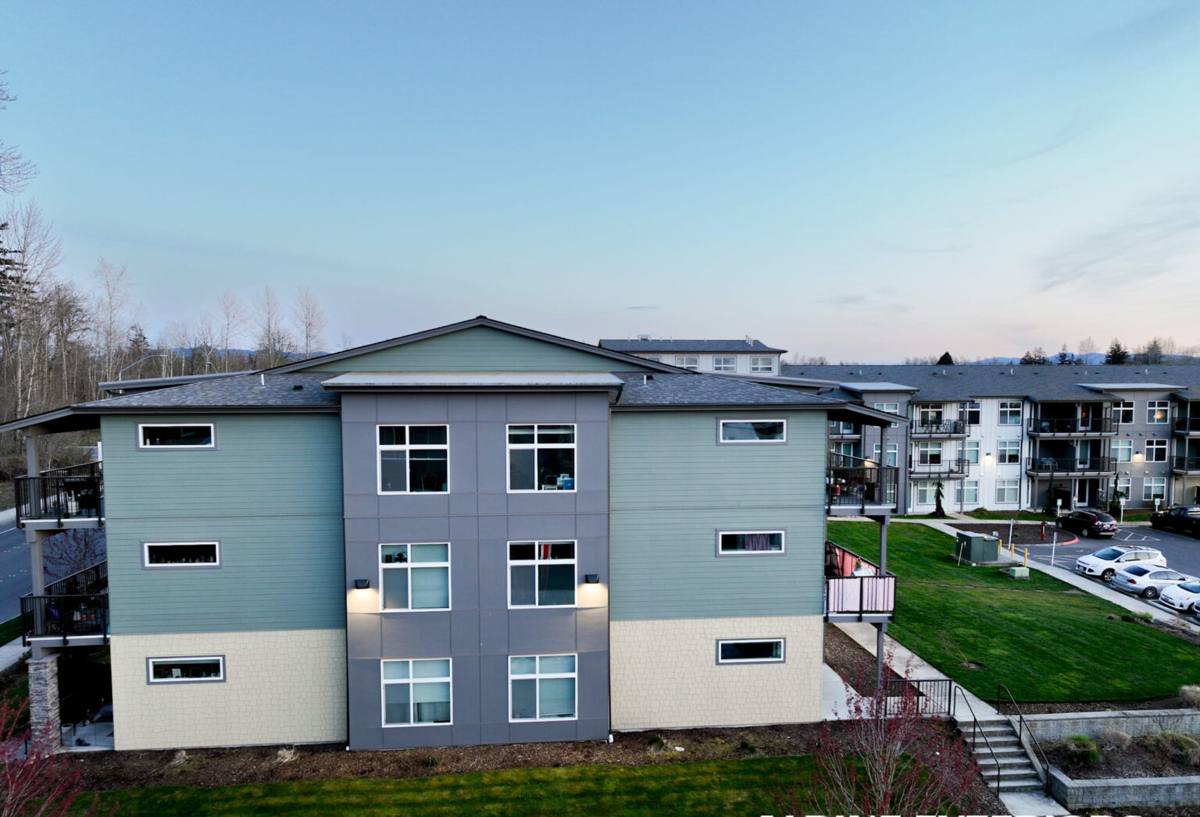
Why Siding Fails Faster Around the Lake
Moss and Trapped Moisture
Homes tucked under tree cover near the water rarely get a full day of direct sun on every wall. North- and east-facing sides especially stay damp long after the rest of the property has dried out. That's exactly the environment moss and mildew need to take hold, and once they're established on wood-based or painted siding, they hold moisture against the wall instead of letting it shed — which accelerates rot underneath long before it's visible from the yard.
Wind Exposure Over Open Water
Wind that crosses open water picks up speed and drives rain harder against exposed walls than the same storm would produce on a sheltered in-town lot. That extra force finds every weak seam, gap, or under-fastened panel a lot faster. Siding that's installed to a generic spec — rather than one that accounts for wind-driven rain — tends to show problems first at corners, butt joints, and anywhere flashing was an afterthought.
What's Commonly Found Under the Surface
A lot of homes in this area were built or re-sided decades ago with materials that were standard at the time but don't hold up well to this particular climate combination:
| Existing Siding Type | Common Issue in This Climate |
|---|---|
| T1-11 panel siding | Seams and panel edges swell and delaminate once moisture gets behind the paint film |
| Aluminum siding (older installs) | Chalking, denting, and oxidized finish that no longer sheds water cleanly |
| Cedar lap or shingle | Needs repainting or staining on a strict cycle; once that slips, moss and rot follow quickly |
| Vinyl siding | Warps or buckles under sustained wind-driven rain and temperature swings, and seams open over time |
What a Correct Siding Installation Actually Involves
Replacing siding isn't just removing old panels and nailing up new ones. Done correctly, it's really a moisture-management project with a finished surface on top. That means:
- Full removal of the old siding so the sheathing underneath can actually be inspected, not guessed at
- Repair or replacement of any sheathing that's gone soft or delaminated from long-term moisture exposure
- A continuous weather-resistive barrier installed correctly around every penetration, not just draped over the wall
- Proper flashing at windows, doors, and any horizontal trim so water sheds outward instead of tracking behind the cladding
- Fastening to the manufacturer's schedule for wind exposure, not a generic every-16-inches guess
- Caulking and sealant only where it belongs — over-caulking often traps moisture rather than keeping it out
Tear-Off vs. Installing Over Existing Siding
Some contractors offer to install new siding directly over what's already on the wall to save time and cost. On a lake property, that's usually a mistake.
| Approach | What It Hides | Our Recommendation |
|---|---|---|
| Overlay (new over old) | Any rot, moisture, or sheathing damage already present underneath | Avoid on homes with visible moss, past leaks, or siding older than 20 years |
| Full tear-off | Nothing — sheathing condition is fully visible before new material goes up | Standard approach for Wiser Lake homes given the moisture exposure here |
Why This Crew Installs Only James Hardie Fiber Cement
We don't offer vinyl, LP SmartSide, primed spruce, cedar, or other fiber cement brands as options — not because those products don't have a place in the industry, but because we've made a standard for ourselves and stuck to it. Vinyl and wood-based sidings each carry trade-offs — expansion and contraction, repainting cycles, seam sensitivity — that show up faster in a climate like this one than in a drier region.
James Hardie fiber cement is engineered specifically for regional climate conditions through its HZ product lines, with HZ5 built for the wetter, more humid weather patterns found across the Pacific Northwest. It's non-combustible, resists moisture intrusion far better than wood-based products, and comes with a factory-applied ColorPlus finish that holds color and resists the fading and chalking that repainted siding suffers from. In a moss-prone, high-moisture area, a finish that doesn't need repainting every few years is a real practical advantage, not a marketing line. Hardie also backs its products with a transferable warranty, which matters on lake properties that tend to change hands over the years.
Our Process for Wiser Lake Properties
- On-site assessment — we look at sun exposure, tree cover, wind direction relative to the lake, and current siding condition before recommending anything
- Sheathing inspection — once old siding comes off, we document any moisture damage and repair it before a single new panel goes up
- Weather barrier and flashing — installed to manufacturer spec at every window, door, and horizontal transition
- Hardie installation — fastened to the correct schedule for this area's wind exposure, with attention to butt joints and corners
- Trim, caulk, and finish work — only where it belongs, so water sheds instead of pooling
- Final walkthrough — we go over the finished work with you before calling the job done
Cost Factors for a Wiser Lake Siding Project
Every home is different, but the same handful of factors tend to move the price on lake-area jobs:
| Factor | Why It Matters |
|---|---|
| Home size and number of stories | More wall area and harder access both add labor time |
| Existing siding removal | Multiple layers or brittle old material take longer to strip safely |
| Sheathing repair needed | Moisture damage found during tear-off has to be fixed before re-siding |
| Wind exposure at the site | Open lake-facing walls may call for tighter fastening and extra flashing detail |
| Trim and architectural detail | Dormers, bays, and multiple trim profiles add cutting and fitting time |
| Hardie color and product lead time | Factory-finished ColorPlus panels are made to order in some colors |
Checklist: Signs Your Siding Needs Attention
- Green or black streaking that keeps returning after cleaning
- Soft spots or flex when you press on a panel
- Gaps opening up at trim boards or corner joints
- Peeling or bubbling paint that keeps coming back in the same spots
- Panels that look warped, bowed, or no longer sit flat against the wall
- A noticeable jump in heating costs with no other explanation
- Visible mildew or musty smell near an exterior wall from inside the house
Why a Crew That Already Works Wiser Lake Matters
A lot of general contractors treat every siding job the same way regardless of where the house sits. That works fine on a dry, open lot in town — it doesn't work as well on a lake property with tree cover, well and septic systems to work around, and wind patterns that change how a wall performs. A crew that's already done work around Wiser Lake knows to check sheathing more carefully on the shaded sides, knows how local wind off the water behaves, and isn't guessing at Whatcom County's permitting process for the first time on your job. That familiarity shows up in fewer surprises mid-project and a finished job that actually accounts for how this specific area weathers a house.
Keeping Hardie Siding Looking Right After Installation
Fiber cement cuts down maintenance significantly, but it isn't zero-maintenance in this climate. A yearly soft rinse to knock down pollen and early moss growth, a quick check of caulking at trim joints, and keeping gutters clear so water isn't sheeting down the wall all go a long way toward getting the full life out of the installation. None of that compares to the repainting and recaulking cycle that wood or vinyl siding demands out here.
If your Wiser Lake home's siding is showing moss, soft spots, or paint that won't stay put, we're happy to take a look and give you a straightforward, no-pressure estimate — no guesswork, no upsell, just an honest read on what your home actually needs.