 Lynden Roofing
 Exterior Work Built for Acme's Corner of Whatcom County
Acme sits in a part of Whatcom County that gets more rain, more shade, and more moss pressure than a lot of homeowners expect when they first move out here. Between the tree cover, the elevation changes, and the steady flow of moisture off the Salish Sea and Puget Sound air mass, homes in this area age differently than homes twenty minutes away in a more open, sun-exposed spot. We're a local crew that works this whole region, and we've built our roofing, siding, window, and deck work around what actually happens to a house out here over ten or twenty years — not what happens to a house in a marketing brochure from a drier climate.
This page covers what we typically see on Acme-area homes, how we approach each part of the exterior, and what to think about if you're planning a repair or replacement.
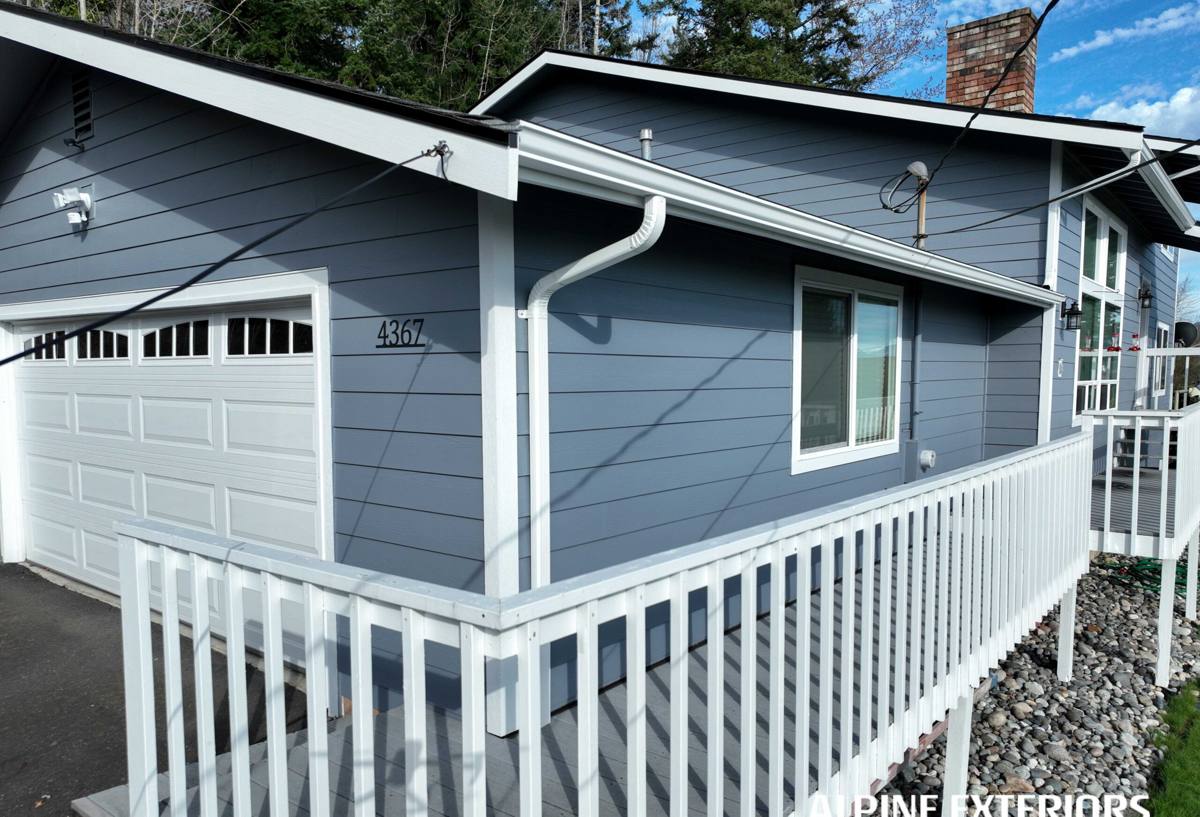
What the Local Climate Does to a House
Moss and Constant Shade
A lot of properties around Acme have significant tree cover — fir, cedar, big leaf maple — which is part of what makes the area appealing to live in. It's also exactly the condition moss loves: shade, moisture that doesn't burn off quickly, and organic debris landing on the roof and in the gutters. Moss on a roof isn't just cosmetic. It holds water against the roofing material, works its way under shingle tabs and metal seams over time, and shortens the life of whatever is up there if it's left unmanaged season after season.
Driving, Wind-Blown Rain
This isn't a light-drizzle climate. Rain here often comes sideways during fall and winter storms, which puts real stress on anything that relies on gravity alone to shed water — flashing details, siding laps, window flanges, and deck ledger connections all get tested by wind-driven rain in a way they wouldn't in a calmer climate. Assemblies that are "good enough" somewhere drier can fail here within a few years if they weren't detailed correctly.
Salt Air and Persistent Moisture
Being in this part of Northwest Washington means dealing with salt-tinged marine air on top of the rain itself. That combination accelerates corrosion on exposed fasteners and metal components, and it keeps humidity elevated even between rain events, which slows drying time for wood-based materials and siding assemblies. Over years, that persistent moisture load is often the real reason a roof, wall, or deck ages faster than the homeowner expected.
Roofing in Acme
Roofing is usually where the climate shows up first, because it takes the direct hit from rain, moss, and debris. Our roofing work in this area focuses on a few things that matter more here than in drier parts of the state:
- Proper underlayment and flashing details at valleys, chimneys, and roof-to-wall transitions, since that's where wind-driven rain finds its way in
- Ventilation that actually moves moist air out of the attic, which matters when the roof rarely gets a long dry stretch to reset
- Gutter and edge detailing sized for the volume of water this area actually sees, not a generic minimum
- Material choices that hold up under repeated wet-dry cycling and shade-driven moss growth
We work with composition (asphalt) shingles, metal roofing, and other systems depending on the home, the roof pitch, tree exposure, and the homeowner's budget and priorities. We'll walk you through what fits your specific roof rather than pushing one product for every house.
Siding That's Meant to Handle Driving Rain
Siding on an Acme-area home is doing constant work against wind-blown moisture, not just weather in general. We pay close attention to the water-resistive barrier and flashing behind the siding, not just the visible material, because a good-looking siding job with poor flashing behind it will trap moisture and cause problems that don't show up until they're expensive. We install and repair fiber cement, engineered wood, and traditional wood siding, and we're upfront about the maintenance trade-offs of each — some materials need more attention out here than others, and that's worth knowing before you choose, not after.
We're also careful about a detail that gets overlooked a lot in this climate: proper drainage gaps and weep paths behind the siding so incidental moisture has somewhere to go instead of sitting against the wall assembly.
Windows: Comfort, Condensation, and Long-Term Performance
Older or poorly installed windows in this climate tend to show two problems: drafts from wind-driven rain finding gaps, and condensation buildup from the persistent humidity. Neither is just an annoyance — both can lead to wood rot or water intrusion around the window opening over time if they're not addressed. When we replace or install windows, we treat the flashing and sealing around the opening as seriously as the window unit itself, since a great window installed with poor flashing will still leak. We work with a range of vinyl, fiberglass, and wood-clad options and can talk through which glass and frame combination makes sense for a shaded, moist site versus a more open, sun-exposed one.
Decks Built for a Wet Climate
A deck in the Acme area spends most of the year wet, shaded, or both, which is a tough combination for any decking material. The structural framing underneath — ledger attachment, joist protection, and proper drainage under the deck boards — matters as much as the decking surface itself. We build and repair decks with attention to keeping water moving off and away from structural wood, using flashing tape and proper fastener choices to slow corrosion and rot in a climate that doesn't give wood much of a chance to dry out between rain events. We work with both traditional wood and composite decking, and we'll talk through the honest maintenance difference between them for a shaded, wet lot.
Material Comparison for This Climate
| Material | Moisture / Moss Behavior Here | Maintenance Load | Typical Lifespan Factor |
|---|---|---|---|
| Composition (asphalt) shingle roofing | Prone to moss/algae growth under shade; needs periodic cleaning | Moderate | Shortened by heavy shade and moss neglect |
| Metal roofing | Sheds water and moss buildup better; fasteners need corrosion-resistant hardware near marine air | Lower | Holds up well with correct fastener choice |
| Fiber cement siding | Stable in wet/dry cycling; needs sealed joints and paint maintenance | Moderate | Long, if installed with proper flashing |
| Wood siding | Attractive but most sensitive to sustained moisture and shade | Higher | Shortened without regular upkeep |
| Wood decking | Needs regular sealing/staining to resist rot in shaded, wet spots | Higher | Depends heavily on maintenance |
| Composite decking | Resists rot well; can stay damp/slick longer in deep shade | Lower | Consistent, less maintenance-dependent |
Why a Local Crew Matters Out Here
A roofing or siding crew that mostly works drier, more exposed parts of the state doesn't always account for what shade, moss, and driving rain actually do to a house over time. We're based in Whatcom County and work this area regularly, so the flashing details, ventilation choices, and material recommendations we make aren't generic — they're shaped by what we consistently see fail, and what holds up, on homes with the same tree cover and weather exposure as yours. That local knowledge also means we're realistic with timelines: we plan around the wet season instead of pretending it isn't a factor, and we're not guessing at what "normal" wear looks like for this specific climate.
A Simple Maintenance Checklist for Acme Homeowners
- Clear moss and debris off the roof and out of valleys at least once a year, more often under heavy tree cover
- Clean gutters and downspouts before the fall rains start, and check them again mid-winter
- Look for dark streaking or soft spots on siding, especially on the shaded, north-facing sides of the house
- Check window flashing and caulking annually for gaps that could let wind-driven rain in
- Inspect deck ledger boards and framing for softness or staining where they meet the house
- Trim back tree limbs and brush that keep roof and siding surfaces from drying out between storms
Getting a Real Assessment for Your Property
Every lot around Acme is a little different — some are more open, some are buried in tree cover, some sit lower and hold moisture longer than others. Rather than quoting off a generic template, we look at your specific roof, siding, windows, or deck and tell you honestly what condition it's in and what your realistic options are, including doing nothing yet if that's the right call.
If you'd like a straightforward look at your home's exterior, request a free, no-pressure estimate using the form below and we'll get in touch to schedule a time that works for you.