 Lynden Roofing
 Siding Installation Built for Laurel's Climate
Laurel sits in the low, wet corner of Whatcom County, and the weather here is not gentle on a house. Homes in this part of the county deal with a long, damp season where moisture sits against exterior walls for months at a stretch, driving rain that comes in sideways off passing fronts, and enough salt-tinged marine air drifting in from the Sound to accelerate corrosion on fasteners and trim. Add a moss and algae season that can run eight or nine months out of the year in shaded, north-facing spots, and you have a climate that will find every weak point in a siding system within a few winters.
That combination — sustained moisture, wind-driven rain, and biological growth — is exactly what siding installation needs to be engineered around in Laurel. It's not enough to nail up a product that looks good on day one. The house needs a wall assembly that manages water, resists rot at the seams, and keeps its finish intact without constant upkeep. That's the standard we hold every Laurel job to.
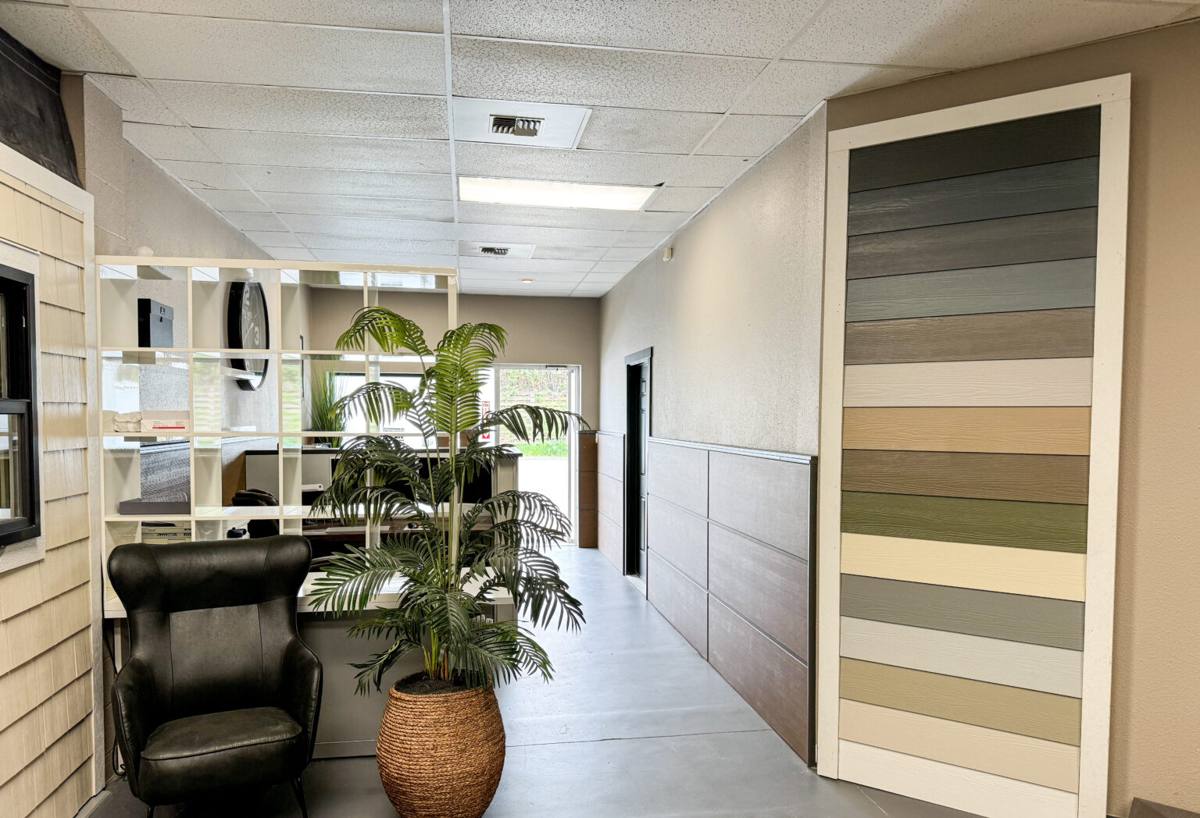
What a Correct Siding Job Actually Involves
Siding is a system, not a single product. The board or panel you see is the last layer of a stack that includes weather-resistant barrier, flashing, fastening, and trim detail — and in a climate like Whatcom County's, any weak link in that stack shows up as a moisture problem within a few years, not decades.
The parts homeowners don't usually see
- A continuous weather-resistant barrier installed with proper shingle-lap overlaps, not just stapled up flat
- Flashing at every window, door, and roofline intersection, installed so water sheds outward instead of behind the cladding
- Correct fastener type and placement — under-driven or over-driven nails are one of the most common causes of early siding failure
- Rain-screen gap or drainage plane where the wall assembly calls for it, so bulk water has somewhere to go besides into the sheathing
- Caulking and sealant only where the manufacturer specifies it — over-sealing traps moisture just as badly as under-sealing
A siding job can look flawless from the driveway and still be failing behind the surface if any of these steps were skipped or rushed. This is why we treat the installation detailing as the actual job, and the visible board as the finish.
Why We Install James Hardie and Nothing Else
We standardized on James Hardie fiber cement siding for every home we side, and we don't install vinyl, LP SmartSide, cedar, primed spruce, or other fiber cement brands. That's a deliberate professional decision, not a sales position, and it's worth explaining honestly.
Fiber cement as a category resists the two things that do the most damage in a climate like this: sustained moisture and freeze-thaw cycling. Within fiber cement, James Hardie's HZ5 product line is engineered specifically for climates with extended wet seasons and cooler temperatures — the kind of conditions Whatcom County sees for a good chunk of the year. The ColorPlus factory finish is baked on under controlled conditions rather than field-applied, which matters a great deal in a region where you can lose weeks of paintable dry weather to fog and rain. A factory finish that's already cured before it reaches the truck is one less variable working against you.
We also value that Hardie backs the product with a long, transferable warranty on both the substrate and the factory finish — coverage that matters to a homeowner who may sell within the warranty period. None of this means other products are without merit; wood has a look some homeowners genuinely prefer, and vinyl is inexpensive. But we've made the call that for the way this climate treats a house over 20-plus years, fiber cement engineered for wet regions is what we're willing to put our name on.
Our Installation Process for Laurel Homes
1. On-site assessment
We start by walking the exterior and looking specifically for the things that matter in this climate: moisture staining at trim, existing rot at butt joints and corners, soffit and gutter condition, and how much shade and moss exposure each wall gets. North and west-facing walls in Laurel's tree-covered lots often need different detailing than south-facing walls that dry out faster.
2. Tear-off and substrate check
Old siding comes off and we inspect the sheathing underneath before anything new goes up. If there's rot or water damage hiding behind the old cladding — which is common on homes that have gone a long time without a full re-side — it gets addressed before we move forward, not covered over.
3. Weather barrier and flashing
This is where most of the long-term performance of the job actually gets decided. We install the water-resistant barrier and flashing to shed water at every penetration, lapped correctly from the bottom up.
4. Hardie installation to manufacturer spec
Fastening, gapping, and clearances follow James Hardie's published installation guidelines, including ground clearance and proper caulking at trim — details that directly affect whether the warranty is valid down the road.
5. Final walkthrough
We go over the finished exterior together, including how to spot early warning signs and what basic upkeep looks like in a wet climate.
Moss, Algae, and the Long Wet Season
Laurel's tree cover and damp air make moss and surface algae a near year-round concern on shaded siding, especially on north walls and anywhere overhangs limit direct sun. Fiber cement doesn't feed mold and mildew the way wood-based products can, but any siding will collect surface growth if water sits against it long enough. Two things reduce that risk more than any product choice: proper drainage detailing behind the siding, and keeping gutters, downspouts, and grade slope doing their job so water isn't sheeting down the wall in the first place.
On the maintenance side, an occasional gentle wash — never a high-pressure blast aimed at seams and joints — keeps growth from establishing itself, and it's far cheaper than dealing with trapped moisture later.
What Siding Installation Costs Depend On
We don't publish fixed prices because every house is different, but the factors that move the number are consistent. This gives you a sense of what drives cost up or down before we ever look at your specific home.
| Factor | Why it matters |
|---|---|
| Wall complexity (dormers, gables, cutouts) | More corners and transitions mean more cutting, flashing, and labor time |
| Existing substrate condition | Hidden rot found during tear-off adds repair work before new siding can go up |
| Siding profile chosen | Lap, shingle-style, and panel Hardie products differ in material and install time |
| Trim and accessory scope | Full trim replacement adds cost but keeps the whole system consistent in age and warranty |
| Site access | Tight lots, fencing, or multi-story walls affect scaffolding and staging time |
Signs a Laurel Home Needs New Siding Soon
- Soft or spongy spots when you press on siding near the bottom edge or around windows
- Paint that's peeling or bubbling repeatedly in the same spots despite repainting
- Persistent moss or dark streaking that returns quickly after cleaning
- Visible gaps, warping, or separation at seams and corners
- Rising energy bills that suggest the wall assembly is no longer sealing properly
- Siding that's original to a home built more than 20-25 years ago and has never been fully replaced
Why Hire a Crew That Already Works This Area
A crew that regularly works Laurel and the surrounding Lynden area already knows which wall orientations take the worst weather, how local lots handle drainage, and what the moss season actually does to a house over several winters — not from a manual, but from having re-sided homes here and seen what held up and what didn't. That local pattern recognition shows up in small decisions during the job: where to add extra flashing attention, which walls need a closer look at the sheathing before covering it up, and how to sequence work around the wetter stretches of the year.
It also means straightforward accountability. We're not a crew passing through the county for one job — we're here, we install one product to one standard, and we stand behind the work on homes in this community.
If you're weighing a siding replacement or want a second opinion on the condition of your current siding, we're happy to take a look and walk you through what we'd recommend and why — no pressure, no obligation. Request a free estimate below and we'll set up a time to assess your home.