 Lynden Roofing
 The Real Question: Repair or Replace?
Almost every homeowner who calls us starts with the same worry: a stain on the ceiling, a shingle in the yard, a contractor's flyer left on the door after a windstorm. The question underneath all of it is the same one we're going to answer here — is this a repair, or is it time for a new roof? There isn't a single formula, but there is a reliable way to think it through: age, condition, and what's happening underneath the surface matter far more than any one visible symptom.
A roof rarely fails all at once. It wears down gradually, and the visible signs — a curling shingle, a dark streak, a soft spot near a vent — are usually the last stage of a process that's been building for years. Understanding where your roof sits in that process is what lets you make a decision based on facts instead of guesswork or panic after a storm.
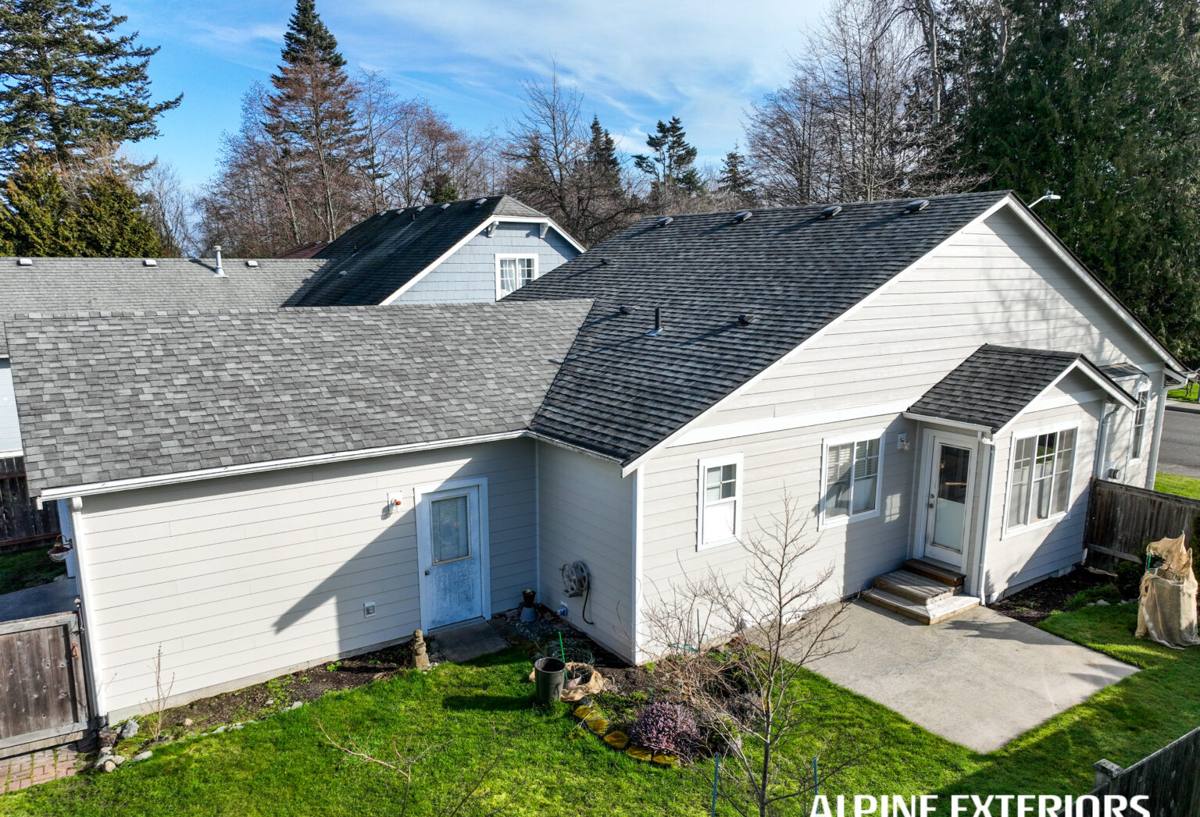
How Long Should a Roof Actually Last?
Manufacturers publish warranty lifespans, but real-world performance in Whatcom County almost always falls short of those numbers because of how much moisture and shade our roofs deal with year-round. Here's a realistic comparison for our climate specifically, not a national average pulled from a manufacturer's brochure.
| Roofing Material | Typical Lifespan Elsewhere | Realistic Lifespan in Lynden |
|---|---|---|
| 3-tab asphalt shingles | 20-25 years | 15-20 years |
| Architectural (laminate) asphalt shingles | 25-30 years | 20-25 years |
| Standing seam metal | 40-50 years | 35-45 years |
| Cedar shake | 30 years | 15-25 years, with heavy maintenance |
| Composite/synthetic shingle | 30-50 years | 25-40 years |
Those "realistic" numbers assume the roof was installed correctly and got at least occasional maintenance. Skip the maintenance and shave years off any of them. If your roof is within five years of the low end of its range, that's the point to start budgeting and getting opinions, not waiting for a leak to force the decision.
Why Local Roofs Age Faster
Whatcom County sits between the Puget Sound and the Cascade foothills, which means our roofs absorb a steady mix of marine-influenced moisture, wind-driven rain, and long stretches without direct sun. Salt-tinged air off the Sound accelerates corrosion on fasteners and flashing faster than it would inland, and driving rain off Bellingham Bay finds its way into any gap in flashing or underlayment that a drier climate would never expose. On top of that, our long, mild moss season keeps shaded roof sections damp for months at a stretch, which is exactly the environment moss needs to take hold and start lifting shingle edges.
Warning Signs Worth Taking Seriously
Some signs point to a simple repair. Others tell you the whole system is failing. Here's what we look for on an inspection, and what each one usually means.
- Granule loss in the gutters: A few granules are normal aging. Handfuls of them after every rain mean the shingles have lost their protective coating and are drying out.
- Curling or cupping shingle edges: Usually a sign the shingles have reached the end of their flexible life and are becoming brittle.
- Dark streaks or moss growth: Algae staining is mostly cosmetic; thick moss is not — it holds moisture against the shingle and works its way under the tabs.
- Daylight or soft spots in the attic: Any light coming through the roof deck, or plywood that flexes underfoot, points to compromised decking that repair alone won't fix.
- Repeated leaks in different spots: One leak is a repair. Leaks that keep showing up in new locations usually mean the underlayment has failed system-wide.
- Sagging rooflines: Almost always a structural issue, not a shingle issue, and needs prompt attention.
- Rising energy bills with no other explanation: Can indicate failed attic ventilation or insulation tied to roof condition.
What's Actually Happening Under the Shingles
The shingles are the part everyone sees, but they're only the outer layer. Underneath is the underlayment (the roof's real water barrier) and the decking (the plywood or OSB the whole system is fastened to). In a climate as wet as ours, underlayment quality and decking condition often matter more than shingle age.
When we tear off an older roof, we frequently find underlayment that's brittle or torn well before the shingles above it show serious wear, and in shaded, moss-prone sections we sometimes find decking that's gone soft from years of trapped moisture. That's the part homeowners can't see from the ground, and it's exactly why a visual "the shingles still look okay" assessment from the driveway isn't the same as a real inspection. A patch job on failing shingles over compromised decking is a short-term fix that costs more in the long run than doing it right once.
Repair vs. Replace: Weighing the Real Factors
There's no universal cutoff, but these are the factors that actually tip the decision one way or the other.
| Factor | Leans Toward Repair | Leans Toward Replacement |
|---|---|---|
| Roof age | Under 15 years (asphalt) | Approaching or past expected lifespan |
| Leak history | One isolated, identifiable source | Multiple leaks in different areas |
| Decking condition | Solid, no soft spots | Soft, discolored, or spongy in multiple areas |
| Extent of damage | Localized (one slope, one penetration) | Widespread across most of the roof |
| Moss/algae condition | Surface staining only | Thick growth lifting shingle tabs |
| Plans for the home | Selling soon, budget-limited | Staying long-term, want to stop recurring repair costs |
A good inspection weighs all of these together rather than any single line item. We'd rather tell a homeowner honestly that a roof has a few more good years in it than talk anyone into a replacement they don't need yet — but we'll also tell you plainly when repeated patching is throwing money at a problem repair can't actually solve.
Choosing a Replacement Material
If replacement is the right call, the material decision matters more here than in drier parts of the state. We generally steer homeowners toward architectural asphalt shingles or standing seam metal for most Whatcom County homes, because both hold up well against sustained moisture and wind-driven rain when installed with proper flashing and ventilation.
Cedar shake has a strong traditional look and plenty of local history, but it demands real maintenance commitment in our climate — periodic treatment, aggressive moss control, and closer attention to ventilation — to reach a reasonable lifespan. We're upfront with homeowners about that maintenance burden up front rather than after the sale, so the choice is made with full information, not surprises five years in.
Whatever material you choose, the underlayment and flashing details matter as much as the shingle itself. A premium shingle over poor flashing work will still leak; a modest shingle over correctly detailed flashing and underlayment will often outperform it.
Ventilation Is Part of the System
Attic ventilation doesn't get much attention from homeowners, but it directly affects how long a new roof lasts. Poor airflow traps moisture and heat under the deck, which shortens shingle life from the underside and encourages the same rot and moss conditions that damage older roofs. Any replacement should include a real look at intake and exhaust ventilation, not just a shingle swap.
What to Expect During a Replacement
A full tear-off and replacement on an average home typically runs a few days from start to finish, weather permitting — and weather is a real scheduling factor here, since we work around rain windows rather than through them. The general sequence:
- Tear-off of existing roofing down to the deck
- Inspection and repair or replacement of any damaged decking
- Installation of new underlayment and flashing at all penetrations, valleys, and edges
- Installation of the new roofing material
- Ventilation check and adjustment where needed
- Cleanup, including magnetic sweep for stray fasteners
Decking replacement is the one variable that's genuinely hard to price before tear-off, since it depends on what's found underneath. A straightforward written estimate should spell out a per-sheet decking rate up front so there are no surprises mid-project.
Timing the Decision
If your roof is showing early warning signs, the best time to act is before the wet season sets in, not during it. Scheduling a replacement in the drier stretch of the year gives more flexibility on timeline and reduces the risk of exposed decking sitting under an active storm system. Waiting until a leak forces the issue usually means a smaller decision window and, often, interior damage on top of the roofing cost.
Insurance can factor in too — wind and storm damage is sometimes covered even when general wear isn't, so it's worth having a professional document conditions after any significant storm, whether or not you're planning to file a claim right away.
If you're not sure whether your roof needs a repair or a full replacement, we're happy to take a look and give you a straight answer either way. Reach out for a free, no-pressure estimate — there's a form right below this page to get started.