 Lynden Roofing
 Roofing in Laurel: Built for Whatcom County's Wet Side
Laurel sits in the rural stretch of Whatcom County between Lynden and Bellingham, close enough to the Salish Sea that homes here deal with a damp, marine-influenced climate for most of the year. That means long stretches of low, steady drizzle, occasional wind-driven rain that comes at a roof sideways instead of straight down, and a growing season for moss and algae that can run eight or nine months out of twelve. None of that is unusual for this part of Washington, but it does mean a roof in Laurel works harder, and ages differently, than one in a drier inland climate.
We've worked on homes throughout the Lynden area long enough to know what that combination of moisture, mild temperatures, and tree cover does to roofing, siding, windows, and decks over time. This page walks through what we actually see on Laurel homes, what holds up, and what tends to fail early.
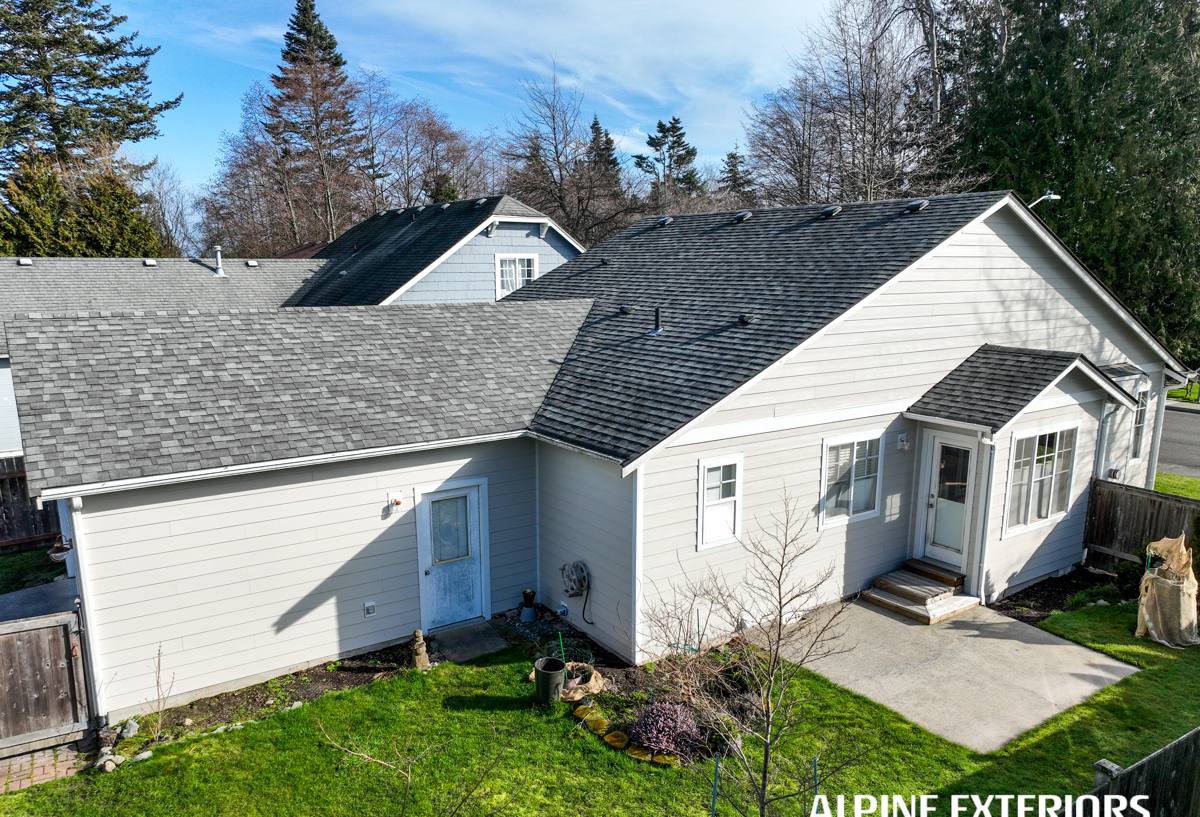
What Driving Rain and Marine Air Do to a Roof Over Time
A roof doesn't have to sit in a downpour to take damage. In Laurel, the bigger issue is usually duration and direction. Rain here tends to arrive in long, low-pressure systems that push moisture sideways into flashing, fascia, and any gap where two roof planes meet. Combined with the region's persistent humidity, that means:
- Flashing around chimneys, skylights, and roof-to-wall transitions works loose faster when wind-driven rain repeatedly tests the seal
- Fasteners and metal components corrode more quickly in a moisture-heavy, mildly salt-influenced coastal air than they would inland
- Underlayment and decking stay damp longer between rain events, which shortens the working life of lower-grade materials
- Gutters and downspouts see heavier seasonal loads, and any undersized or clogged system backs water up under the roof edge
None of this means roofs in Laurel fail young — it means they need the right materials and details done correctly the first time, because the climate doesn't give a poorly installed roof much room for error.
Moss: The Slow, Quiet Damage Most Homeowners Underestimate
Moss is probably the single most common issue we get called out for on Laurel roofs, and it's often misunderstood. Moss itself doesn't eat through shingles the way people sometimes assume — the real damage comes from what moss does mechanically and how it holds moisture:
- Moss roots lift shingle edges and granules, breaking the shingle's seal to the ones around it
- A moss mat holds water against the roof surface long after the rain stops, which accelerates wear on asphalt and wood alike
- Thick moss growth in valleys and along the north-facing slopes (which get less direct sun and dry out slower) can redirect water flow instead of letting it run off cleanly
- Left unaddressed for several seasons, moss buildup can work its way under shingle tabs and contribute to leaks at the most vulnerable points of the roof
Because Laurel has a fair amount of tree cover and shaded rooflines, moss season here tends to be longer than in more open, sun-exposed parts of Whatcom County. Regular moss treatment and gentle removal — not pressure washing, which can strip granules and shorten shingle life — is one of the cheapest ways to extend a roof's lifespan in this area.
Roofing Materials That Actually Hold Up Here
We install a range of roofing systems, and the right choice depends on budget, roof pitch, and how much long-term maintenance a homeowner wants to take on. Here's how the common options compare for a climate like Laurel's:
| Material | Typical Lifespan | How It Handles Moisture & Moss | Maintenance Level |
|---|---|---|---|
| Asphalt composition shingle | 20-30 years (algae-resistant lines run longer) | Good when installed with proper ventilation; algae-resistant granules help slow moss/moss-adjacent growth | Low to moderate — periodic moss treatment recommended |
| Metal roofing | 40-50+ years | Sheds water fast, doesn't hold moisture against the surface, moss struggles to establish | Low — occasional inspection of seams and fasteners |
| Cedar shake | 20-30 years with upkeep | Attractive but naturally more absorbent; requires diligent moss and moisture management | High — regular treatment is essentially mandatory here |
| Synthetic/composite shingle | 30-50 years | Engineered to resist moisture absorption; performs consistently in wet climates | Low to moderate |
For most Laurel homes, we lean toward algae-resistant asphalt shingles or metal roofing, depending on the homeowner's budget and the style of the house. Cedar shake still has a place for homeowners who want that specific look and are willing to keep up with maintenance, but we're honest that it's the higher-upkeep option in this climate — that's a trade-off worth knowing going in, not a knock on the material itself.
Ventilation Matters As Much As the Shingle
A roof system in a damp climate lives or dies on ventilation. Poor attic airflow traps warm, moist air against the underside of the roof deck, which can cause rot and shorten the life of even a premium roofing material from the inside out. Any roofing project we do includes a look at intake and exhaust ventilation — it's not an upsell, it's part of doing the job correctly for this climate.
Signs a Laurel Home May Need a Roof Inspection
Because roof damage in this climate tends to develop slowly, a lot of homeowners don't notice a problem until it shows up as a stain on a ceiling. Worth checking for, especially after a windy winter:
- Visible moss or dark streaking concentrated on north-facing or shaded slopes
- Granules collecting in gutters or at downspout outlets
- Shingles that look curled, lifted at the edges, or missing after a storm
- Soft or spongy spots when walking a low-slope roof section
- Daylight visible through the attic roof deck, or damp insulation below it
- Water stains on interior ceilings, especially near chimneys, skylights, or roof valleys
- Sagging gutters or standing water in gutter runs after rain
Any one of these on its own isn't necessarily an emergency, but it's worth having a professional take a look before the next wet season sets in.
It's Not Just the Roof — Siding, Windows, and Decks Take the Same Weather
The same driving rain and persistent moisture that wear on a roof affect the rest of a home's exterior, which is why we handle siding, windows, and decks alongside roofing rather than treating them as separate problems.
Siding
Wind-driven rain finds its way into siding seams, corner trim, and anywhere caulking has failed. In a climate like this, siding materials and installation details that manage water — proper flashing, correct overlap, adequate ventilation behind the cladding — matter more than they would in a drier region.
Windows
Older or poorly flashed windows are a common source of hidden water intrusion, especially where they meet siding. Modern, properly installed windows do a lot to cut down on drafts, condensation, and slow moisture damage around the frame — issues that show up more in a wet climate than a dry one.
Decks
Outdoor decks take the full brunt of Whatcom County's rain and the moss/algae growth that comes with shaded, damp conditions. Proper board spacing, ledger flashing, and material choice all affect how well a deck sheds water and resists slick, moss-covered surfaces over time.
Cost Factors for a Roofing Project in Laurel
Every roof is different, but the factors that most affect price for homes in this area tend to be consistent:
| Factor | Why It Matters |
|---|---|
| Roof size and complexity | More valleys, dormers, and roof planes mean more flashing detail and labor |
| Current roof condition | Rot or damaged decking found during tear-off adds repair scope |
| Material choice | Asphalt, metal, cedar, and synthetic options vary significantly in material cost and install time |
| Access and roof pitch | Steep or hard-to-access roofs take longer and require more safety setup |
| Ventilation and structural upgrades | Adding or correcting attic ventilation is often bundled into a replacement |
We give straightforward, itemized estimates so homeowners can see exactly what's driving the number — no vague lump sums.
Why a Local Crew Matters in a Place Like Laurel
A roofing or exterior crew that only works in drier climates, or one that's unfamiliar with Whatcom County's specific rain patterns and moss pressure, can miss details that matter here — flashing choices, ventilation needs, or how aggressively to schedule moss treatment. We work in Lynden and the surrounding communities, including Laurel, year-round, so we see how materials and installations actually perform through multiple wet seasons, not just on install day. That local track record shapes what we recommend and what we steer homeowners away from.
Get a Free, No-Pressure Estimate
If you're noticing moss buildup, a slow leak, aging siding, drafty windows, or a deck that's seen better days, we're happy to take a look and give you an honest read on what's going on and what it would take to fix it. There's no obligation and no pressure — just a straightforward assessment from a crew that knows this climate. Use the form below to request your free estimate.