 Lynden Roofing
 Composite Decking Built for Life Near Wiser Lake
Homes around Wiser Lake sit in one of the damper, shadier pockets of Whatcom County. Mature trees ring much of the shoreline, the lake itself keeps humidity higher than it is a mile inland, and the marine-influenced air that moves through this part of Lynden carries a fine load of salt and moisture that settles on every exterior surface, decking included. A deck built here does a different job than a deck on a dry, open lot in town. It has to shed water fast, resist the moss and algae that thrive in shade and standing moisture, and hold up to freeze-thaw cycles without the boards cupping, splitting, or turning gray and slick. Composite decking, installed correctly, is the material that handles all of that with the least maintenance headache for the homeowner.
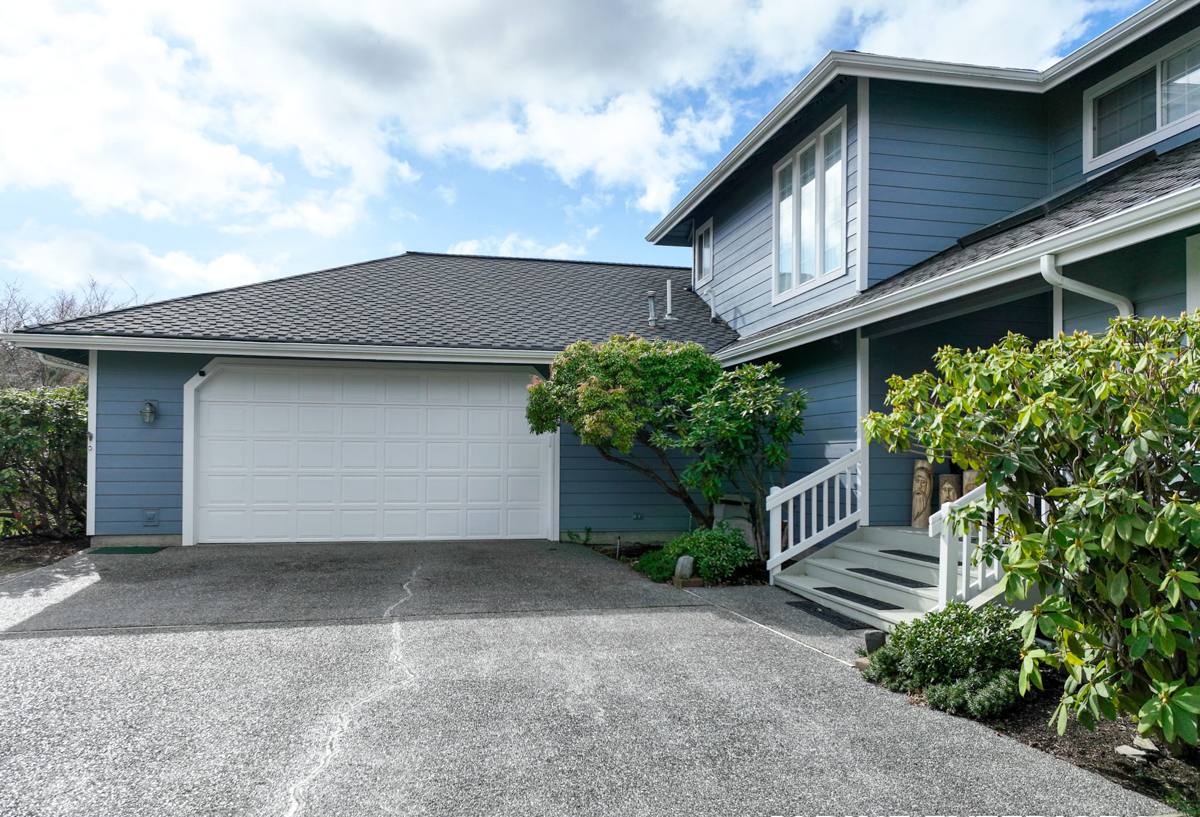
What Wiser Lake's Climate Does to a Deck
Three things wear a deck out faster here than in a typical dry-side yard: standing moisture, shade, and salt-laden air.
Driving Rain and Standing Moisture
Whatcom County gets long stretches of steady rain, and lots near the lake often sit lower and closer to the water table than lots elsewhere in Lynden. Wood decking soaks that moisture up through end grain and fastener holes, swells, and eventually checks and splinters. Composite boards don't absorb water the way wood does, but that only pays off if the deck underneath is built to actually drain — more on that below.
Shade and a Long Moss Season
Trees around the lake are part of what makes the neighborhood pleasant to live in, but they also mean a lot of decks never get a full afternoon of direct sun. Shade plus moisture is exactly what moss, algae, and mildew need to take hold, and once moss gets established in the grain or grooves of a decking board, it holds moisture against the surface even longer. That's a slow, self-feeding cycle that can turn a deck slick and dangerous long before it's structurally worn out.
Salt Air and Freeze-Thaw
The marine air that reaches this part of the county carries salt that accelerates corrosion on fasteners, flashing, and any exposed metal hardware. Combine that with the freeze-thaw swings Lynden sees each winter, and any weak point in the fastening or flashing system gets exploited faster than it would in a milder, drier climate.
Why Composite Decking Makes Sense on Lake-Adjacent Lots
Wood decking can absolutely be maintained well, but it demands a strict annual cycle of cleaning, sealing, and inspection that a lot of homeowners don't have time for — and skipping even one season in a shaded, damp spot like this one shows up fast as graying, splintering, or soft spots. Composite decking, particularly capped composite with a protective outer shell, doesn't need annual sealing, resists moisture absorption at the board level, and holds its color and surface texture far longer under the same conditions. It isn't maintenance-free — nothing exposed to Whatcom County weather is — but the maintenance it needs is lighter and less time-sensitive than wood.
That said, not all composite is equal. Lower-grade, uncapped composite boards can still absorb some moisture at cut edges and are more prone to surface mildew in heavy shade. We don't install those on lake-adjacent lots because the trade-off isn't worth it for the homeowner — the small savings up front gets eaten up by earlier replacement or a deck that looks tired well before it's paid for itself.
What a Correctly Built Composite Deck Involves
Composite decking is only as good as what it's fastened to. A deck that looks right the day it's finished but was built to cut corners on the substructure will show problems within a few wet seasons — and on a shaded, moist lot those problems show up faster.
Substructure and Spacing
Composite boards flex differently than wood and generally call for tighter joist spacing than a traditional lumber deck, especially when boards run at an angle or the deck sees regular foot traffic. Undersized or overspanned framing is one of the most common causes of bounce, sagging, and premature board wear we see on decks that weren't built with composite specifically in mind.
Ledger Attachment and Flashing
Where the deck attaches to the house is the single most important connection on the structure, and it's also the point most exposed to water running off the roof and siding. Proper flashing — installed so water is directed away from the ledger board rather than behind it — is non-negotiable on a wet lot like this one. This is also where corrosion-resistant fasteners matter most, given the salt content in the local air.
Drainage and Airflow Underneath
A deck built low to the ground or over poorly graded soil traps moisture underneath, which speeds up moss growth on the underside of boards and can lead to joist rot even when the decking surface itself is composite. Grading the ground beneath the deck, keeping adequate clearance, and in some cases adding a drainage system underneath are all part of getting this right on a damp lot.
Fasteners and Hidden Fastening Systems
Hidden fastener systems give a cleaner look and eliminate the exposed screw heads that collect grit and moss, but they need to be installed to the exact spacing the manufacturer specifies. Loose or improperly spaced hidden fasteners are a common source of board movement and squeaking over time.
Quick Homeowner Checklist: Signs Your Current Deck Needs Attention
- Boards feel spongy, bounce, or flex more than they used to
- Green or black film builds up faster than you can keep it cleaned off
- Gaps between boards have closed up or widened unevenly
- Fasteners are visibly rusting or staining the decking around them
- Standing water pools on the surface instead of draining off
- The area where the deck meets the house shows staining, soft wood, or gaps in flashing
Composite Decking Options: What Affects Cost
Composite decking pricing depends on the board type, the substructure work required, and the size and complexity of the layout. Here's a general breakdown of the factors that move the price, without pinning down numbers that vary lot to lot:
| Factor | Lower Cost | Higher Cost |
|---|---|---|
| Board type | Uncapped or basic composite | Fully capped composite with enhanced fade/mold resistance |
| Substructure condition | Existing framing is sound and code-compliant | Framing needs full replacement or re-engineering for composite spans |
| Site drainage | Deck sits on well-graded, sloped ground | Low or flat ground near the lake needs added drainage work |
| Layout complexity | Simple rectangular deck | Multiple levels, angles, or built-in features like benches or railings |
| Railing system | Basic composite or metal railing | Glass, cable, or custom railing systems |
We'll walk through where your project falls on each of these during a site visit, so the estimate reflects your actual lot rather than a generic average.
Our Installation Process
We start every composite decking project with an on-site assessment of the existing structure, the ground beneath it, and how water currently moves across the lot — that last part matters more on Wiser Lake properties than almost anywhere else in our service area. From there, we confirm framing and joist spacing meet the composite manufacturer's requirements, correct or rebuild the substructure where it doesn't, and install flashing at the ledger board before a single decking board goes down. Decking installation itself follows manufacturer-specified fastening and spacing, with attention to board expansion gaps, which matter more in a climate with real seasonal temperature swings. We finish with railings, trim, and a full walkthrough so you know exactly what maintenance — if any — your specific board type needs going forward.
Living With Moss Season: Maintenance That Actually Works
Even the best composite deck near a shaded lake lot benefits from a light seasonal routine rather than none at all. A soft-bristle brush and a composite-safe cleaner once or twice a year, timed before moss season really sets in, keeps green film from ever getting established rather than trying to scrub it out after the fact. Keeping overhanging branches trimmed back improves both sun exposure and airflow across the deck surface, which does more to slow moss growth than any cleaning product. Clearing leaves and debris out of board gaps after they fall in autumn prevents trapped moisture from sitting against the boards all winter. None of this is heavy work — it's a fraction of what a wood deck demands — but skipping it entirely on a lot this shaded will shorten how long the deck looks its best.
Permits, Setbacks, and Working Close to the Water
Properties near Wiser Lake can fall under different permitting or setback considerations than a typical inland lot in Lynden, depending on how close the deck footprint sits to the shoreline and the specifics of the parcel. We check what applies to your property before work starts rather than assuming your lot is treated the same as one a half mile away, and we handle the Whatcom County permitting process as part of the job so you're not left tracking down requirements yourself.
Why a Crew That Already Works Wiser Lake Matters
A deck built by a crew unfamiliar with this specific stretch of Whatcom County tends to get the generic version right and the local details wrong — standard framing instead of framing sized for a shaded, wet lot, standard drainage assumptions instead of ones that account for a higher water table near the lake, or a maintenance plan that doesn't mention moss at all. We work on homes in and around Lynden regularly enough to know which lots need extra attention to drainage, which need tighter fastener spacing because of salt exposure, and which permitting questions come up specifically for lake-adjacent parcels. That local pattern recognition is the difference between a deck that needs attention again in three years and one that holds up through a decade of Whatcom County winters.
If you're planning a new composite deck or replacing one that's struggling with moisture and moss, we're happy to take a look and put together a straightforward, no-pressure estimate based on your actual lot near Wiser Lake. Use the form below to get started.