 Lynden Roofing
 Siding Built for the Nooksack Valley's Wet, Mossy Climate
Everson sits in the Nooksack River valley in Whatcom County, a few minutes from Lynden, in a stretch of Washington that stays damp for most of the year. Homes here deal with a long, low-intensity rainy season, periods of driving wind-driven rain off the valley, salt-tinged marine air moving inland from the Sound, and a moss season that can run from fall through spring. Siding that isn't engineered for that combination doesn't fail overnight — it fails slowly, through swelling, delamination, cracking, or a moss and algae buildup that traps moisture against the wall long after the rain has stopped.
That's the environment we design every Everson siding job around. Fiber cement isn't a cosmetic upgrade here — it's a material choice that directly affects how well a home's exterior handles decades of Whatcom County weather.
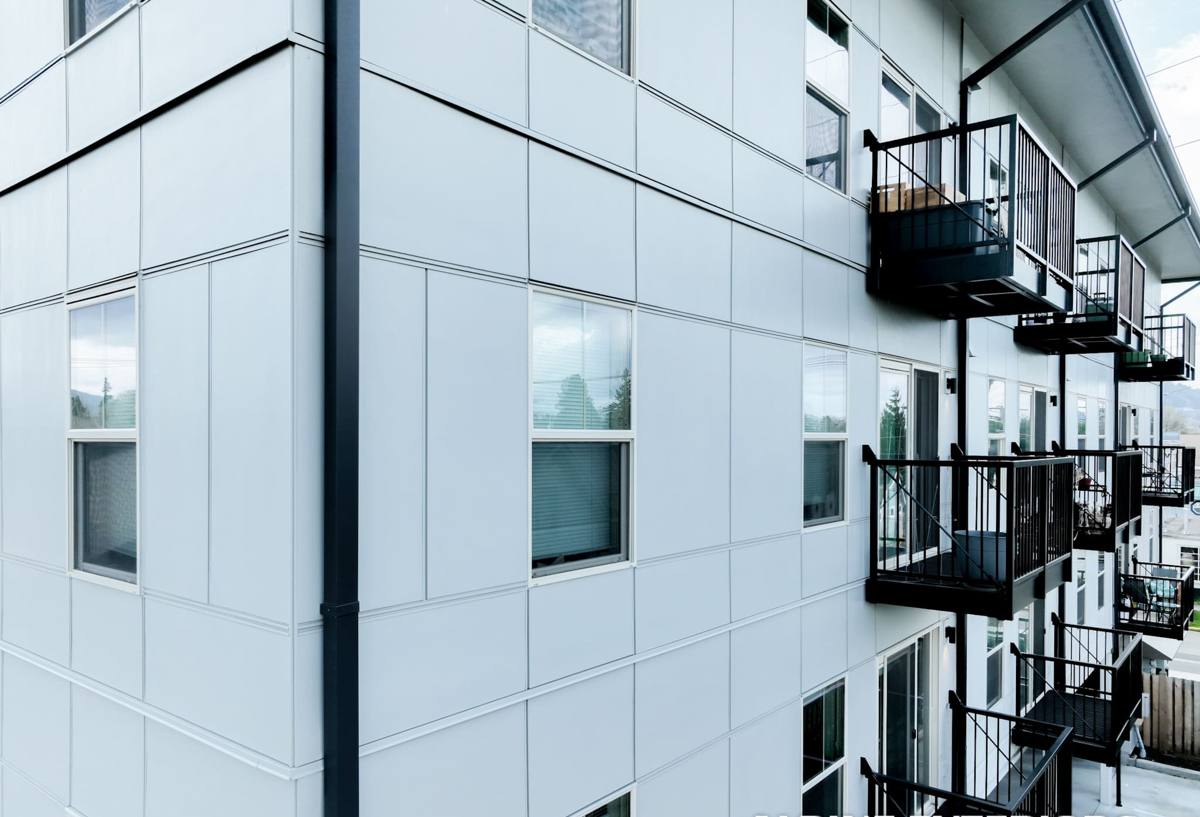
Why Ordinary Siding Struggles in Everson
A few climate factors specific to this part of Washington put real stress on exterior materials:
- Driving rain: Wind off the valley pushes rain sideways into wall assemblies, not just straight down, which stresses seams, laps, and fastener points more than a typical rain event would.
- Persistent dampness: Long stretches without full drying cycles mean any siding prone to absorbing moisture stays wet longer, which accelerates rot, warping, and paint failure.
- Salt-influenced air: Marine-tinged moisture in the regional air can accelerate corrosion of fasteners and degrade finishes that aren't formulated to resist it.
- Moss and algae growth: Shaded elevations, north-facing walls, and areas near mature trees or fences hold moisture and organic debris, giving moss a foothold that can work into seams and joints over time.
Wood-based products swell and rot under these conditions. Vinyl can warp, fade, or crack in temperature swings and offers seams that let moisture behind the panel. Fiber cement, installed correctly, resists all of these pressures — which is exactly why it's become the standard we build every Everson project around.
Why We Install Only James Hardie Fiber Cement
We don't offer a menu of siding brands for Everson homes. We install James Hardie exclusively, and that's a deliberate standard, not a sales preference.
James Hardie fiber cement is engineered specifically for regional climate exposure through its HZ5 product line, built for the Pacific Northwest's damp, marine-influenced weather. It's non-combustible, dimensionally stable in wet-dry cycles, and finished at the factory with the ColorPlus coating system, which is baked on under controlled conditions rather than field-applied. That factory finish matters in a climate like this one: it resists fading, chipping, and the kind of moisture-driven peeling that shows up on field-painted products within a few Whatcom County winters.
Other fiber cement brands exist, and other siding materials — vinyl, LP SmartSide, primed wood — have their place in the market. We've made a professional decision not to install them on the homes we work on, because we've seen what holds up over time in this specific climate and what requires more maintenance and earlier replacement than homeowners expect. Hardie's engineered-for-climate approach, transferable warranty, and long track record are why it's the only product we stand behind for Everson installations.
What a Correct Fiber Cement Installation Involves
Fiber cement is only as good as the installation behind it. A rushed or generic install can undermine even the best material, especially in a climate this wet. A correct job includes:
Water Management First
Before a single board goes up, proper flashing, house wrap, and drainage planes need to be in place. In a valley climate with driving rain, the goal is to give any moisture that gets behind the cladding a clear path out, not a place to pool.
Manufacturer-Spec Fastening and Clearances
James Hardie publishes exact requirements for fastener type, spacing, nailing patterns, and gaps at trim, corners, and grade. Skipping these specs is the single biggest cause of premature siding failure — cracking at butt joints, water intrusion at corners, or boards that don't lie flat.
Caulking and Joint Detailing
Every seam, joint, and penetration is a potential entry point for moisture. Careful, consistent sealing at windows, doors, and utility penetrations is what keeps driving rain out of the wall assembly over the long run.
Ventilation and Rainscreen Considerations
On homes where moss and prolonged dampness are a known issue, a ventilated rainscreen gap behind the siding helps the assembly dry out between rain events instead of staying saturated — an important detail in a valley that doesn't get long dry stretches.
Our Process for Everson Siding Projects
- On-site assessment: We walk the home, check existing siding condition, look at moisture exposure by elevation, and identify problem areas like shaded walls or heavy moss buildup.
- Product and color selection: We help homeowners choose the right James Hardie HZ5 profile and ColorPlus finish for the home's style and the region's light and weather.
- Prep and water management: Old siding is removed, the wall assembly is inspected for hidden damage, and flashing and drainage details are corrected or installed before new siding goes up.
- Installation to manufacturer spec: Fastening, clearances, and joint detailing follow James Hardie's published requirements exactly — not shortcuts.
- Final inspection and walkthrough: We review the finished work with the homeowner, including basic care guidance suited to this climate.
Siding Material Comparison for Whatcom County Conditions
| Factor | James Hardie Fiber Cement | Vinyl Siding | Wood / LP-Type Products |
|---|---|---|---|
| Moisture resistance | Engineered for wet climates (HZ5) | Seams allow water behind panels | Absorbs moisture, prone to swelling |
| Moss and algae resistance | Dense, moisture-stable substrate | Can trap moisture at seams | Organic material feeds moss growth |
| Finish durability | Factory-baked ColorPlus finish | Color molded in, can fade or chalk | Field-applied paint needs recoating |
| Fire resistance | Non-combustible | Combustible | Combustible |
| Typical maintenance | Periodic rinsing, minimal upkeep | Low, but replacement often full-scale | Regular repainting and moisture checks |
None of these materials are without trade-offs, and this table isn't meant to declare vinyl or wood-based siding worthless. It's meant to show why, for the specific conditions Everson homes face, fiber cement is the material we're willing to warranty our work on.
Signs an Everson Home May Need New Siding
- Visible moss or algae staining that returns quickly after cleaning
- Soft spots, bubbling, or warping, especially on shaded or north-facing walls
- Cracked, peeling, or chalking paint that reappears within a year or two of repainting
- Gaps opening up at seams, corners, or trim boards
- Rising energy bills that suggest the wall assembly is no longer sealing properly
- Siding that flexes or feels hollow when pressed, a sign of underlying rot
Any one of these on its own isn't necessarily an emergency, but a home showing several of them at once is usually past the point where cleaning or spot repair solves the underlying problem.
Living With Fiber Cement Siding in a Moss-Prone Climate
Fiber cement dramatically reduces maintenance compared to wood-based siding, but no exterior material is truly maintenance-free in this part of Washington. A periodic rinse to clear moss spores and organic debris, especially on shaded elevations, keeps the ColorPlus finish looking clean and prevents buildup from taking hold in joints and trim. Keeping nearby vegetation trimmed back so walls get some airflow and light also goes a long way toward slowing moss regrowth. These are simple habits, not major upkeep — which is part of why fiber cement holds up so much better here than materials that need repainting or seam repair on a regular cycle.
Why a Crew That Already Works Everson Matters
Correct fiber cement installation isn't generic — it depends on understanding how a specific home sits in a specific climate. A crew that regularly works in Everson and the surrounding Lynden area already knows which elevations tend to hold moisture longest, how local rain patterns move through a valley versus more open terrain, and where moss problems typically start on homes in this part of Whatcom County. That local pattern recognition shows up in better flashing decisions, smarter product selection, and fewer callbacks. It also means a contractor who's answerable to this community, not a crew passing through on a one-off job.
If your Everson home's siding is showing wear, or you're planning ahead for a replacement, we're happy to walk the property, talk through what we're seeing, and explain exactly what a James Hardie installation would involve for your home — with a free, no-pressure estimate and no obligation to move forward. You can request one using the form below.