 Lynden Roofing
 Sumas Homes Face Real Window Wear From Whatcom County Weather
Sumas sits right up against the Cascades foothills near the Canadian border, and the weather here is not gentle on a house. Long stretches of driving rain, damp air that rolls in off the Strait of Georgia and Puget Sound during storms, and a moss season that can run most of the year all put steady pressure on window frames, seals, and sills. Windows are one of the first places that pressure shows up, because they combine wood, glass, sealants, and metal flashing in one assembly that has to keep working through decades of freeze-thaw swings and constant moisture.
A lot of the older housing stock around Sumas and the rest of Whatcom County still has original or first-replacement windows from decades back. Those units were built for a different set of expectations around energy efficiency and moisture control. When they start failing, it is rarely dramatic — it is a slow creep of drafts, fog between panes, and soft wood that homeowners notice long before they decide to act on it.
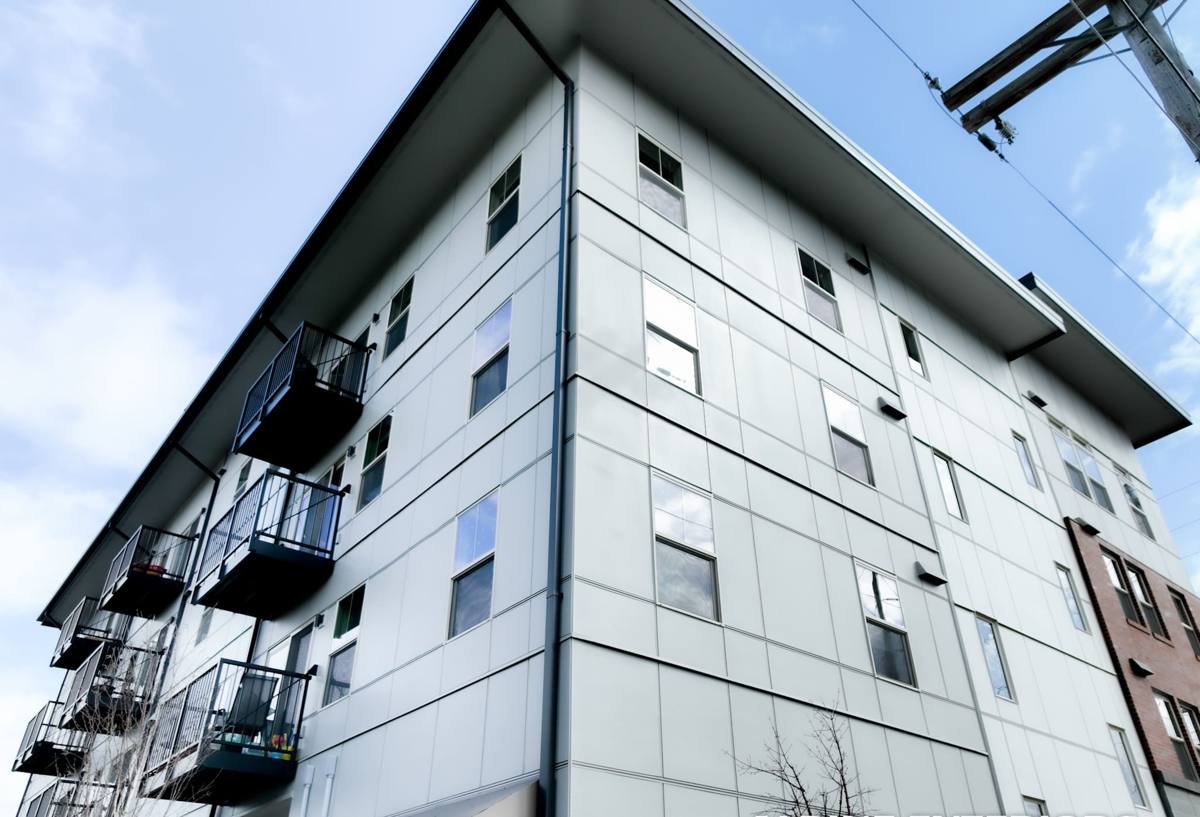
Signs It's Time to Replace Windows in Sumas
Some warning signs are obvious. Others get written off as "just how old houses are" for years before the underlying damage gets expensive. Here is what we look for during an assessment:
- Fogging or a milky haze between the panes of a double-pane window — the seal has failed and the gas fill or airspace is compromised
- Visible daylight or a draft you can feel at the frame edges, especially during wind-driven rain
- Soft, spongy, or discolored wood at the sill or lower frame corners
- Windows that are difficult to open, close, or lock, or that no longer sit flush in the frame
- Paint that keeps peeling or bubbling on the interior trim near the window, often a sign of trapped moisture
- Noticeably higher heating bills without any other change to the home
- Visible moss or algae staining on the exterior trim or sill that keeps returning after cleaning
Any one of these on its own might not mean a full replacement. Several together, especially on the same window, usually means the assembly has reached the end of what caulk and weatherstripping can fix.
What a Correct Window Installation Actually Involves
Window installation looks simple from the outside — pull the old unit, set the new one, caulk the edges. Done correctly, it is a lot more involved than that, and the parts that matter most are the ones you cannot see once the trim goes back on.
Flashing and Weatherproofing
Every window opening needs a proper weather-resistive barrier tie-in and flashing sequence so water that reaches the wall is directed back out, not into the framing. This is the single biggest factor in whether a window installation holds up through years of Whatcom County rain. Skipping or rushing this step is the most common cause of hidden rot behind a window that looks fine from the room.
Insulation, Air Sealing, and Fit
The gap between the window frame and the rough opening has to be insulated and air-sealed correctly — not overpacked with foam, which can bow the frame, and not left loose, which leaves drafts and condensation paths. A window that is shimmed, leveled, and squared properly will operate smoothly for years; one that is racked even slightly will bind, leak air, and wear its seals unevenly.
Interior and Exterior Finish Work
Once the window is set and sealed, the exterior trim, caulking, and any siding tie-in need to be finished so water sheds away from the opening. On the interior, trim and sill work should be sealed and finished so condensation from cooking, showers, or a busy household doesn't find its way into the wood over time.
Choosing Window Materials and Glass for This Climate
There is no single "best" window for every home, but some choices hold up better than others against sustained damp and driving rain. We walk homeowners through the trade-offs rather than pushing one option:
| Frame Material | How It Handles This Climate | Maintenance |
|---|---|---|
| Vinyl | Good moisture resistance, does not rot, stable performance in wet weather | Low — occasional cleaning |
| Fiberglass | Very stable in temperature and moisture swings, holds paint well | Low to moderate |
| Wood / Wood-Clad | Excellent look and insulating value, but the exposed wood side needs consistent upkeep in a wet climate | Higher — regular sealing and paint checks |
| Aluminum | Durable but conducts cold and can condense more in our damp winters unless thermally broken | Low |
For glass, most homes in this area do well with a dual-pane, Low-E coated unit with an argon or krypton gas fill — it balances energy performance with cost. Triple-pane glass adds meaningful insulation value and sound dampening, which some homeowners want given the wind and rain exposure here, but it adds weight and cost, so it is worth weighing room by room rather than assuming every window needs it.
Our Window Installation Process
- Assessment. We look at each window's current condition, the wall assembly behind it, and any signs of moisture damage before recommending replacement versus repair.
- Measurement and product selection. We measure precisely and go over frame material, glass package, and hardware options based on the room's exposure and your budget.
- Ordering. Windows are ordered to exact specifications rather than a stock size, which avoids gaps and shimming problems later.
- Removal. Old windows are removed carefully, and we inspect the opening for rot or damage before anything new goes in.
- Repair as needed. Any soft framing, damaged sheathing, or compromised weather barrier gets fixed before the new window is set — never covered over.
- Installation. The new window is set level and square, flashed correctly, insulated at the gap, and sealed both inside and out.
- Finish and walkthrough. Trim is finished, the work area is cleaned, and every window is opened, closed, and locked to confirm proper operation before we consider the job done.
What Affects the Cost of Window Installation
Costs vary window to window based on size, material, and what the existing opening needs. Rather than quote a flat number, here is what actually moves the price:
| Factor | Why It Matters |
|---|---|
| Frame material and glass package | Vinyl runs less than fiberglass or wood-clad; triple-pane costs more than dual-pane |
| Window size and configuration | Larger units, bay windows, or custom shapes require more material and labor |
| Condition of the existing opening | Rot repair or reframing adds time beyond a straightforward swap |
| Number of windows in one visit | Doing several windows in one project is generally more efficient per unit than one-off jobs |
| Access and site conditions | Second-story windows, tight clearances, or difficult removal add labor time |
As a general range, expect installed costs to run from the low hundreds per window for a straightforward vinyl replacement up to well beyond that for larger units, premium frame materials, or openings that need structural repair. We give you an itemized, specific number after we've actually looked at your windows — not a phone-quote guess.
Why Local Experience in Sumas Matters
A crew that already works around Sumas and the rest of Whatcom County knows what this climate does to a window installation that was done for looks instead of performance. We've seen what happens when flashing gets skipped, when caulk is used as a substitute for proper weatherproofing, or when a window is set slightly out of square and starts binding within a year. That local pattern recognition changes what we check for and how we detail the work, particularly around flashing sequencing and moisture management, which matter more here than in a drier climate.
It also means we're not guessing at product performance. We know which frame materials and glass packages actually hold up through a wet Whatcom County winter versus which ones look good in a showroom and struggle in real conditions.
Keeping Your New Windows Performing Through Whatcom County Winters
A correctly installed window is largely maintenance-free, but a little attention keeps it that way for the long haul:
- Clean weep holes and tracks on vinyl and fiberglass windows periodically so water drains rather than pools
- Check exterior caulking once a year, especially after a hard winter, and touch up any cracking before it becomes a leak path
- Keep gutters and downspouts clear so runoff isn't sheeting directly across window openings
- Wipe down sills after heavy condensation events to prevent moisture from sitting on wood components
- Address any moss or algae growth on nearby trim promptly rather than letting it hold moisture against the wood
Windows installed correctly the first time, with proper flashing and sealing, need very little of this — but a quick seasonal check costs nothing and catches small issues before they become expensive ones.
If your windows in Sumas are drafty, fogged, or just past their useful life, we're glad to take a look and walk you through honest options — no pressure, no upsell. Use the form below to request a free estimate.