 Lynden Roofing
 Siding Built for Acme's Foothill Climate
Acme sits in the foothills east of Lynden, where Whatcom County's marine weather takes on an extra edge. You're closer to the timber line, you get more rain shadow variation than the valley floor, and the tree cover that makes the area beautiful also means more shade, more standing moisture, and a longer moss season on anything that isn't shedding water well. Add in the driving rain that rolls off the Puget Sound lowlands and the salt-tinged air that reaches this far inland on a west wind, and you have a climate that is genuinely hard on exterior siding — harder than most manufacturers' marketing materials let on.
This isn't a page about siding in general. It's about what siding installation actually needs to look like on a home in Acme, given what this specific stretch of Whatcom County throws at a house year-round.
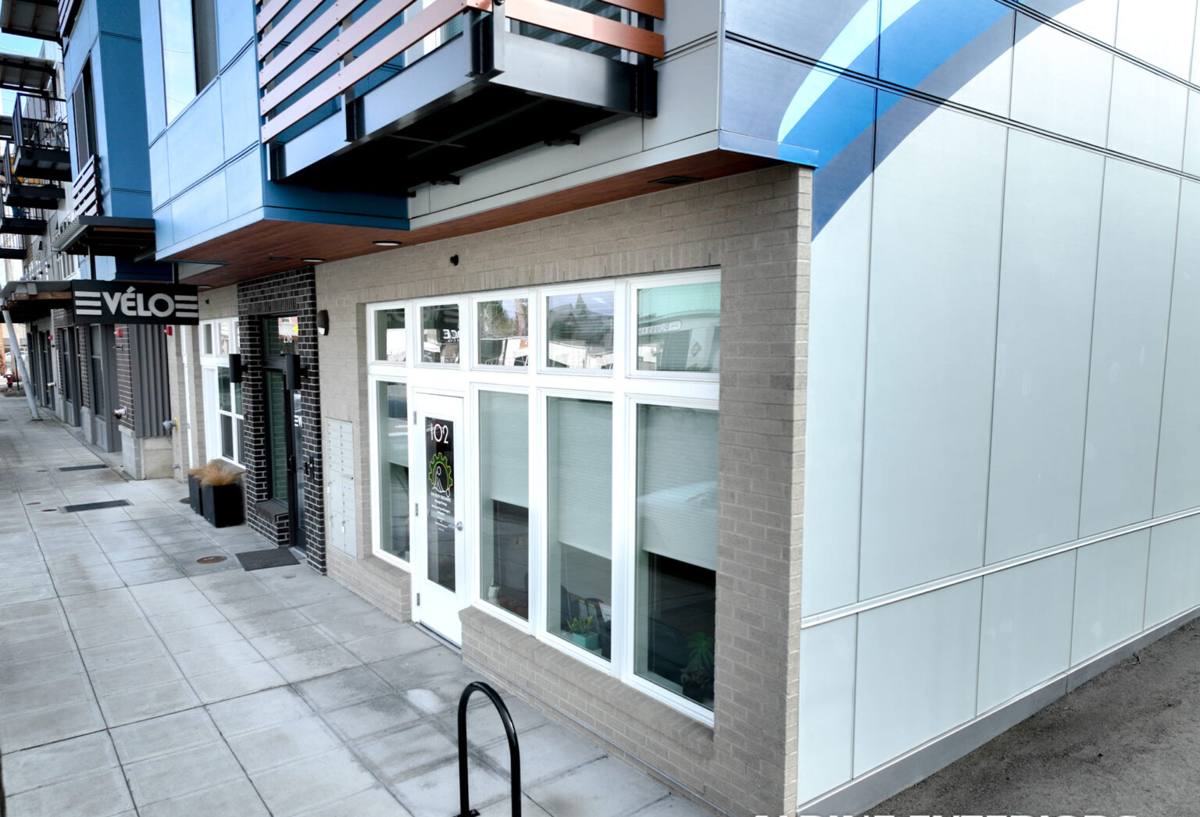
What Acme's Climate Does to Siding Over Time
Moss and Organic Growth
Homes tucked closer to tree lines and hillsides in Acme get less direct sun and airflow than open-lot homes in town. That combination — shade, moisture, and still air — is exactly what moss, algae, and mildew need to take hold. On siding, that growth isn't just cosmetic. Moss holds moisture against the surface, and sustained moisture is the number one enemy of most siding materials, especially anything wood-based.
Driving Rain and Wind-Driven Moisture
Whatcom County storms don't just fall straight down. Wind pushes rain sideways into wall assemblies, especially at corners, around windows, and at the bottom courses near grade. Siding that isn't installed with correct flashing, gapping, and drainage behind it will eventually let that moisture in, no matter how good the material looks on day one.
Salt Air, Even This Far Inland
Acme is well inland from Bellingham Bay, but Whatcom County's marine air moves through the whole county, and metal fasteners, trim, and unprotected wood fiber all show it over the years — corrosion at fastener heads, premature paint failure, and edges that swell before the rest of the panel does.
Freeze-Thaw Cycling
Elevation in and around Acme means slightly colder overnight temps than the valley, and more freeze-thaw cycling through the shoulder seasons. Any siding material that absorbs water is vulnerable here — water gets in, freezes, expands, and works joints and edges loose over a few winters.
Why We Only Install James Hardie Fiber Cement
Given all of that, we made a standing decision: we install James Hardie fiber cement siding, exclusively. We don't install vinyl, LP SmartSide, cedar, primed spruce, or other fiber cement brands like Cemplank or Allura. That's not a marketing position — it's a practical one, built around what actually holds up on homes in this climate.
- Non-combustible core. Fiber cement doesn't feed a fire the way wood-based products can, which matters more every year as wildfire smoke seasons stretch into the Pacific Northwest.
- Engineered for wet climates. Hardie's HZ5 product line is specifically formulated for regions like Western Washington that see extended damp seasons and freeze-thaw swings.
- Factory-applied ColorPlus finish. The color is baked on in a controlled environment, not field-applied, which means far better resistance to moss staining, UV fade, and the streaking you get from driving rain on a lesser finish.
- It doesn't rot or delaminate. Unlike wood siding or some composite products, fiber cement won't absorb water and swell, split, or feed fungal growth the way organic materials can.
- A warranty that means something. Hardie backs its ColorPlus products with a strong, transferable warranty — valuable if you ever sell the home.
We're not going to tell you every other product is junk — vinyl is inexpensive and easy to install, cedar has real curb appeal, LP SmartSide has its fans. But we've made a professional call that on homes in Whatcom County's wet, mossy, salt-touched climate, fiber cement is the material that holds up longest with the least maintenance, and Hardie is the fiber cement system with the manufacturing consistency and warranty backing we're willing to put our name behind.
What a Correct Siding Installation Actually Involves
The material is only half the equation. A huge share of siding failures we see on older Acme homes weren't caused by bad siding — they were caused by a rushed or incorrect install underneath good siding. Here's what has to happen, in order, on every job:
- Tear-off and substrate inspection. Remove the old siding and check the sheathing underneath for rot, soft spots, or prior water damage — especially at corners, window sills, and the bottom few feet of wall near grade.
- Repair or replace damaged sheathing. Any compromised wood gets replaced before anything new goes up. Covering rot with new siding just hides the problem.
- Install a weather-resistive barrier. A properly lapped and taped house wrap manages the moisture that inevitably gets past the siding surface, directing it back out instead of into the wall.
- Flash every penetration and transition. Windows, doors, roof-to-wall intersections, and outside corners all need correct flashing detail — this is where driving rain finds its way in if it's skipped.
- Install Hardie panels or lap siding to spec. Correct fastener placement, proper gapping at butt joints, and manufacturer-specified nailing patterns aren't optional — they're what the warranty is contingent on.
- Caulk and seal per Hardie's installation guidelines. Not every joint gets caulked, and over-caulking can trap moisture just as badly as under-caulking. This is a detail a lot of crews get wrong.
- Final trim, touch-up, and cleanup. Factory-finished panels rarely need field paint, but any cut edges get properly sealed per Hardie's specifications.
Signs Your Acme Home's Siding Needs Attention
- Persistent moss or dark streaking that comes back within a season of cleaning
- Soft or spongy spots when you press on the siding, especially near the bottom courses
- Visible gaps, warping, or cupping in wood-based siding
- Peeling or bubbling paint, particularly on the shaded side of the house
- Rusted or popped fasteners
- Rising energy bills that suggest the wall assembly isn't sealing the way it used to
If you're seeing more than one of these, it's worth having it looked at before small problems become sheathing repairs.
Cost Factors for Siding Installation in Acme
Every home is different, but the same handful of factors drive the scope and cost of a siding job in this area. We won't quote a number without seeing the house, but here's what moves the estimate:
| Factor | Why It Matters |
|---|---|
| Home size and wall complexity | More corners, gables, and dormers mean more cutting, flashing, and labor time |
| Current siding condition | Hidden sheathing rot found during tear-off adds repair scope |
| Siding profile chosen | Lap siding, panel siding, and shingle-style Hardie products differ in material and labor cost |
| Trim and accessory work | Fascia, soffit, and trim replacement alongside siding affects total scope |
| Access and site conditions | Sloped lots and tree-heavy sites common around Acme can affect staging and scaffolding needs |
| Existing moisture damage | Shaded, moss-prone walls sometimes carry more hidden water damage, found only at tear-off |
Why Hire a Crew That Already Works Acme
Acme isn't a subdivision with cookie-cutter lots — it's a mix of rural and semi-rural properties with varied grading, tree cover, and sun exposure from one home to the next. A crew that regularly works this part of Whatcom County knows to check the shaded north walls more carefully for moss-driven moisture, knows how local wind patterns drive rain into specific wall orientations, and isn't guessing at how the terrain affects drainage around the foundation. That local pattern recognition is what keeps a siding job from missing a problem that shows up two winters later.
We also know what Hardie products and colors tend to work well against the wooded, natural backdrop common around Acme, and we carry the fasteners, trim, and flashing details on the truck that this climate actually requires — not a generic install kit.
Our Process, Start to Finish
- On-site assessment. We walk the home, check the current siding and sheathing condition, and look at drainage, grading, and sun exposure specific to your lot.
- Written estimate. A clear scope and price before any work starts — no surprise change orders for things we could have identified up front.
- Material selection. We help you pick the right Hardie profile and ColorPlus color for your home and the surrounding landscape.
- Tear-off and repair. Old siding comes off, sheathing gets inspected and repaired as needed.
- Installation to Hardie spec. Weather barrier, flashing, and siding installed in the correct sequence, by the manufacturer's guidelines, to keep your warranty intact.
- Final walkthrough. We go over the finished job with you before calling it done.
If your home in Acme has siding that's showing its age — or you're planning ahead before another wet Whatcom County winter — we're happy to take a look and give you a straightforward, no-pressure estimate. Use the form below to get started.