 Lynden Roofing
 Roofing in Nooksack: A Different Kind of Wear
Nooksack sits in a part of Whatcom County where the roof over your head is doing more work than most homeowners realize. You've got moisture rolling in off the Pacific and Georgia Strait, driving rain that comes in sideways during winter storms, and a stretch of gray, damp months every year that's long enough for moss and algae to get a real foothold on anything with a north-facing slope or a shaded section of roof. None of that is unusual for this part of Washington — but it does mean roofs here age differently than they would in a drier climate, and repairs that look minor from the ground can be masking something more serious underneath.
We work on homes throughout Lynden and the surrounding Nooksack area regularly, and the repair calls we get tend to follow a pattern tied directly to this climate. Understanding that pattern is the first step to getting a repair done right instead of just done.
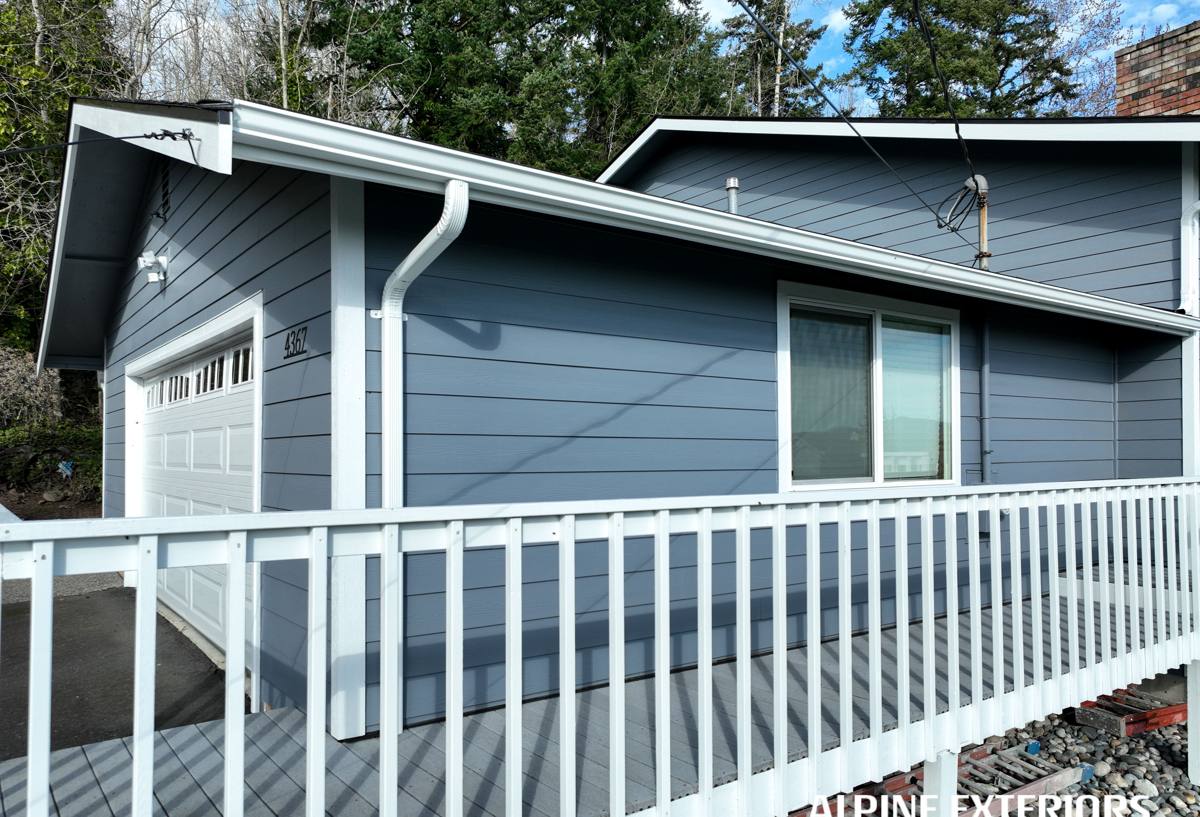
Why Local Climate Drives What Fails First
Salt Air and Metal Fatigue
Even well inland from the coast, salt-laden air moving through the county accelerates corrosion on exposed metal — flashing, fasteners, vent caps, and gutter hardware. Once flashing starts to pit or a fastener head corrodes, it stops sealing the way it should, and that's where water finds its way in. It's rarely dramatic. It's usually a slow drip that shows up as a stain on a ceiling months after the actual failure started.
Driving Rain and Wind-Driven Intrusion
Storms in this area don't just drop rain straight down — wind pushes it sideways and up under shingle edges, around chimneys, and into any gap in the flashing that a calmer rain would never reach. A roof that's fine in a light shower can still leak in a windy winter storm if the underlayment and flashing details weren't built for that kind of exposure.
The Long Moss Season
Whatcom County's moss season runs long — often eight months or more of conditions damp and shaded enough to support growth. Moss isn't just cosmetic. It holds moisture against the roofing material, lifts shingle edges as it grows, and works its way under laps and around nail heads. Left alone through a few seasons, moss growth can shorten the useful life of a roof by years.
Common Repair Issues We See on Nooksack Roofs
- Moss and algae buildup causing shingle lifting, granule loss, and trapped moisture
- Corroded or improperly lapped flashing around chimneys, skylights, and roof-to-wall transitions
- Wind-lifted or cracked shingles along ridges and exposed edges after winter storms
- Clogged or failing gutters causing water to back up under the roof edge
- Soft or rotted roof decking discovered under a small leak that went unnoticed too long
- Nail pops and sealant failure on older roofs approaching the end of their service life
Most of these start small. The problem is that a roof leak rarely announces itself where it actually begins — water travels along the underlayment or decking before it shows up as a stain inside, which is why an accurate diagnosis matters more than a quick patch.
What a Correct Roof Repair Actually Involves
Finding the Real Source, Not the Symptom
Chasing a ceiling stain straight up to the roof deck often points to the wrong spot. We trace the path water actually takes — checking flashing, valleys, penetrations, and decking condition — before we decide what needs to be replaced versus what's still sound. A repair that only addresses the visible symptom tends to come back within a season or two.
Matching Materials the Right Way
On an older roof, an exact shingle match usually isn't possible — color and profile change over the years. We match as closely as current products allow and place repairs where the difference is least noticeable, while being upfront with homeowners about what to expect rather than promising an invisible patch we can't deliver.
Flashing Done Properly, Not Just Sealed Over
A lot of "repairs" we get called to fix are places where a previous fix relied on caulk or roofing cement to cover a flashing problem instead of correcting it. Sealant has a service life measured in a few years at best in this climate; proper step flashing, counter-flashing, and lapping don't depend on a bead of caulk to keep water out.
Checking Ventilation While We're Up There
Poor attic ventilation traps moisture against the underside of the roof deck, which can cause rot and shorten shingle life from below — a problem that has nothing to do with the shingles themselves. When we're already on a roof for a repair, we check soffit and ridge venting as part of the job, because ignoring it just sets up the next repair call.
Repair or Replace? How We Help You Decide
Not every roof problem in Nooksack needs a full replacement, but not every leak should be patched forever either. We walk homeowners through the honest trade-offs rather than defaulting to the bigger job.
| Factor | Leans Toward Repair | Leans Toward Replacement |
|---|---|---|
| Roof age | Under 15 years, most of the field intact | Approaching or past manufacturer's expected lifespan |
| Extent of damage | Localized — one flashing point, a few shingles | Widespread granule loss, multiple leak areas |
| Decking condition | Solid, no soft spots found | Soft, rotted, or delaminating in multiple spots |
| Moss/algae history | Recently treated, minimal regrowth | Heavy, repeated growth across several seasons |
| Prior repairs | First repair call on this roof | Long history of patch-on-patch repairs |
When a roof is a genuine borderline case, we'll say so, and we'll explain the reasoning rather than just handing over a number.
Our Roof Repair Process
- Initial call and scheduling: We get a description of the issue and get a visit on the calendar, prioritizing active leaks.
- On-site inspection: We inspect the roof, attic access where available, and the areas showing interior damage to trace the actual water path.
- Written scope and estimate: You get a clear explanation of what's failing, what we recommend, and why — with a straightforward price range before any work starts.
- The repair itself: Damaged materials are removed, decking is checked and replaced where needed, and flashing and shingles are installed to proper lapping and fastening standards.
- Cleanup and walkthrough: Debris and old materials are cleared from the site, and we walk the work with you before we consider the job done.
Materials We Use and Why
For most Nooksack repairs, we work with standard architectural composition shingles and metal flashing components suited to the Pacific Northwest's wet, wind-exposed conditions. We generally steer away from lower-grade three-tab products for repair work in this climate — the thinner profile holds up worse against wind-driven rain and moss intrusion, and matching an aging low-grade roof gets harder every year as those products get phased out. That's a maintenance and durability call on our part, not a knock on any particular manufacturer.
Where a roof has a documented history of algae staining, we'll discuss algae-resistant shingle options for the repaired sections — a reasonable upgrade during a repair, though it won't fully blend a roof that wasn't originally installed with that product.
Keeping a Nooksack Roof Healthy Between Repairs
A repair fixes what's already failed. The following habits go a long way toward making sure the next call is years out instead of months:
- Keep gutters and downspouts clear so water doesn't back up under the roof edge, especially heading into fall storms
- Trim back tree limbs that shade sections of the roof and keep them damp longer than the rest
- Have moss growth treated before it lifts shingles, not after
- Walk the exterior after major windstorms and note any shingles that look lifted, cracked, or missing
- Address small interior stains early — the earlier a leak is traced, the smaller the repair usually is
- Schedule a roof check every couple of years even without an obvious problem, particularly on roofs past the ten-year mark
Why It Matters That We Already Work in Nooksack
A roof repair done by a crew unfamiliar with this area is guessing at conditions we already know firsthand — how far wind-driven rain travels under an eave here, how fast moss regrows on a shaded north slope in this county, what flashing details hold up against the salt air moving through Whatcom County year-round. Working Nooksack and Lynden regularly means we're not learning the local climate on your roof; we're applying what we've already seen on homes nearby. It also means a faster response when a leak shows up mid-storm and a shorter wait for parts and scheduling, since we're not driving in from across the region for every visit.
If you've got a leak, a stretch of moss you're not sure how to handle, or a roof that's just due for an honest look, we're happy to come take a look and give you a straightforward, no-pressure estimate — use the form below to get started.