 Lynden Roofing
 Roofing in Maple Falls: A Different Set of Conditions
Maple Falls sits up the valley from Lynden, tucked under heavy fir and cedar canopy along the North Fork Nooksack corridor toward Mount Baker. That tree cover is part of what makes the area beautiful, and it's also exactly why roofs up here age differently than roofs out on open, sunny lots. Less direct sun means roofs stay damp longer after every rain. More overhanging branches mean more needles, cones, and organic debris collecting in valleys and gutters. And Whatcom County's long, wet stretch from fall through spring gives moss, moisture, and driving rain months at a time to work on a roof before it ever fully dries out.
None of that means a Maple Falls roof is doomed to fail early. It means the maintenance and repair work has to account for shade, moisture retention, and organic growth in a way that a roof on a bare, wind-swept lot doesn't need. When we go out on a repair call in this area, we're not just patching a leak — we're looking at why that spot failed in the first place, because on a shaded roof, the same conditions that caused the first problem will cause the next one if they're not addressed.
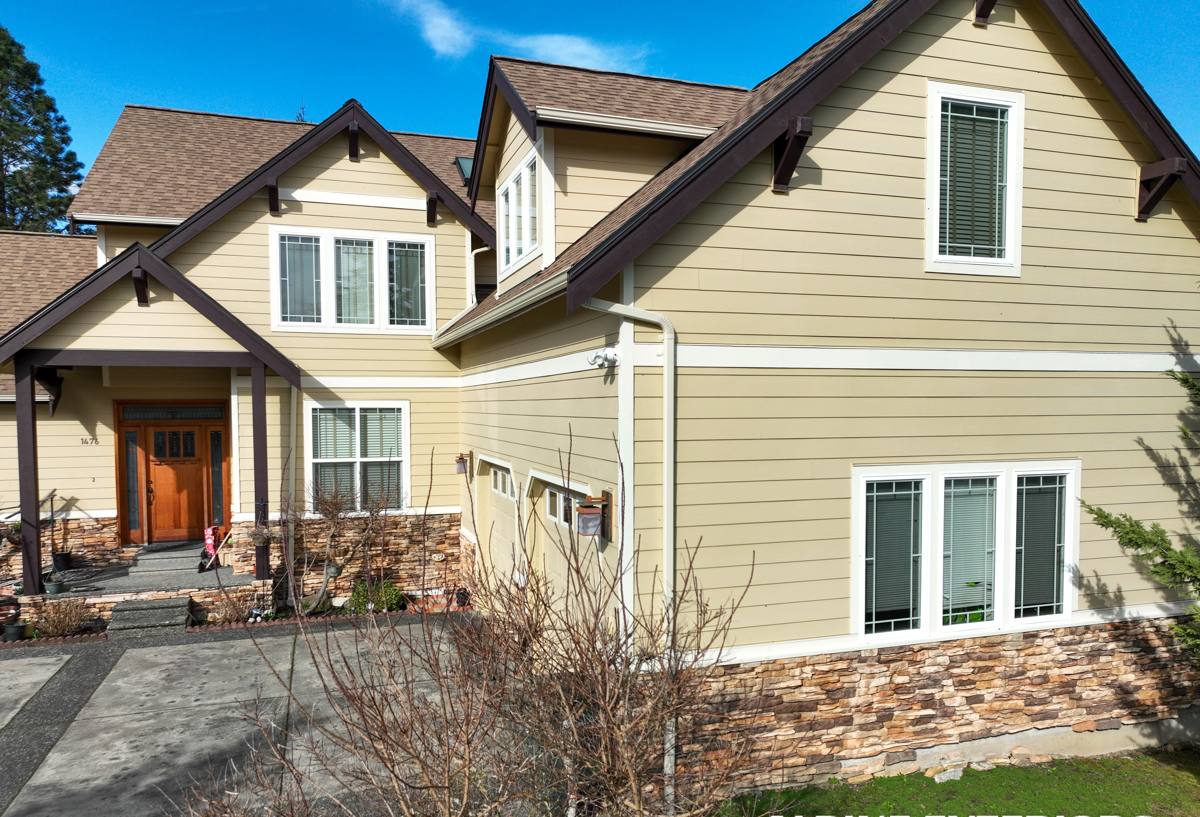
Common Roof Repair Issues We See Around Maple Falls
Moss and Organic Buildup
Moss doesn't just look bad — it holds water against the roofing material, lifts shingle edges as it grows, and keeps the deck underneath from ever fully drying. On heavily shaded lots, moss can establish itself in a single wet season if it isn't kept in check. By the time a homeowner notices dark green patches or a spongy feel underfoot on the roof, moisture has usually already worked its way past the surface layer.
Valley and Flashing Leaks
Roof valleys collect more runoff than any other part of the roof, and around Maple Falls they also collect needles and debris that dam up water during heavy rain. Flashing around chimneys, skylights, and roof-to-wall transitions is the other common failure point — it's a small piece of metal doing a lot of work, and once the sealant or fasteners age out, water finds its way in fast.
Gutter Overflow and Fascia Damage
Conifer needles clog gutters faster than leaves do, and a clogged gutter during a driving rain event will overflow straight down the fascia and back under the roof edge. We see this cause rot at the eaves on homes that otherwise have a perfectly sound roof surface.
Wind and Storm Damage
Whatcom County storms coming off the Salish Sea bring sustained wind and heavy, sideways rain. That combination is hard on ridge caps, loose or aging shingle tabs, and any spot where flashing or fasteners were already marginal. Wind doesn't usually cause a new problem out of nowhere — it finds the weak point that was already there.
What a Correct Roof Repair Actually Involves
Inspection Before Patching
A repair that only addresses the spot where water is showing up inside the house is a temporary fix. Water travels — it can enter several feet from where it appears on a ceiling or wall. A proper repair starts with tracing the leak to its actual source, checking the surrounding shingles, underlayment, and decking for hidden moisture damage, and only then deciding what needs to come off and what can stay.
Matching Materials and Technique
Repairs should match the existing roofing material in type, weight, and installation method — not just color. Mismatched shingles, wrong-gauge flashing, or the wrong fastening pattern can create a new weak point right next to the one that was just fixed. If a section of decking is soft or delaminated from prolonged moisture, that gets replaced, not covered over.
Addressing the Cause, Not Just the Symptom
If moss or debris buildup caused the failure, the repair isn't finished until that cause is dealt with too — clearing the area, correcting drainage, or recommending overhanging branches be trimmed back. Patching the hole and leaving the moss in place just buys a season or two before the same spot fails again.
Our Process for Maple Falls Roof Repair
- Inspection and photos. We walk the roof (or use a ladder and camera where pitch or condition makes that safer) and document what we find, including areas beyond the reported leak.
- Plain-English assessment. We explain what's actually wrong, what's causing it, and what the realistic options are — repair, partial re-roof of a section, or full replacement if the roof is past the point where repair makes sense.
- Written scope and estimate. No pressure, no same-day-signature tactics. You get a clear scope of work and a price before anything happens.
- The repair itself. Removal of damaged material, correction of the underlying cause where applicable, proper flashing and underlayment work, and matched roofing material installed to manufacturer specification.
- Cleanup and walkthrough. We clear debris, check gutters and downspouts in the repair area, and walk you through what was done.
Repair vs. Replacement: How We Help You Decide
Not every roof problem needs a full replacement, and not every leak can be responsibly patched. Here's the general framework we use when we're standing on a Maple Falls roof:
| Signs Repair Is the Right Call | Signs Replacement Should Be Considered |
|---|---|
| Roof is under roughly 15 years old with isolated damage | Roof is near or past its expected material lifespan |
| Deck underneath the damaged area is still solid | Multiple areas show soft, spongy, or delaminated decking |
| Damage is limited to one section, valley, or flashing point | Moss and moisture damage are spread across multiple slopes |
| Shingles elsewhere on the roof are still flat and granulated | Widespread curling, cracking, or granule loss across the roof |
| No history of repeated leaks in the same general area | Same area has already been patched more than once |
When a roof is genuinely borderline, we'll tell you that too — sometimes the honest answer is "repair it now, budget for replacement in a few years," and we'd rather give you that timeline than talk you into work you don't need yet.
Dealing With Moss the Right Way
Moss treatment gets oversold and undersold in equal measure — pressure washing alone can strip granules and shorten shingle life, while doing nothing lets moss keep working roots into the surface. Here's how the common approaches actually compare:
| Method | What It Does | Trade-Off |
|---|---|---|
| Manual moss removal (brush/scrape) | Physically clears established moss without damaging granules | Labor-intensive; needs to be paired with prevention or it returns |
| Chemical moss treatment | Kills moss in place, allows safe rinse-off over time | Repeat applications needed; timing matters for effectiveness |
| Zinc or copper control strips | Metal ions inhibit new moss growth as rain washes over them | Slows regrowth but doesn't remove existing moss on its own |
| Pressure washing | Fast visual cleanup | Can strip protective granules if used aggressively — we avoid it on asphalt shingle roofs |
For most Maple Falls homes under heavy tree cover, the practical answer is a combination: careful manual removal of existing growth, then a prevention strategy sized to how much shade and debris the roof actually deals with.
Timing Repairs Around Our Weather
Whatcom County's driving rain season runs long, and it's tempting to wait for a dry stretch to deal with a known problem. The trouble is that a small leak left through one more storm cycle often turns into decking replacement instead of a simple patch. Most repairs can be done safely between rain events even in the wetter months — the key is not letting a known issue sit through an entire winter untouched. If a repair genuinely needs to wait for better conditions, we'll say so and, where needed, put a temporary measure in place to limit further damage in the meantime.
A Homeowner's Pre-Winter Roof Checklist
A few minutes of attention before the wet season ramps up can catch problems while they're still small and inexpensive to fix:
- Look for moss or dark streaking on any north-facing or heavily shaded slopes
- Check that gutters and downspouts are clear of needles and debris
- Look inside the attic or crawlspace for water stains, damp insulation, or musty odor
- Check flashing around chimneys, vents, and skylights for gaps or lifted edges
- Note any overhanging branches that could drop debris onto the roof or scrape it in wind
- Watch ceilings after the first hard rain of the season for any new staining
Why a Local Crew That Works Maple Falls Matters
A repair crew that's already familiar with this stretch of Whatcom County knows what shaded, tree-covered roofs typically deal with before they even climb the ladder — where moss tends to establish first, which valley and flashing details fail earliest under this kind of tree cover and rainfall, and what a repair here needs to hold up through another wet season. Working out of Lynden, we're not driving in from across the region for a single job; we can respond quickly, follow up if something needs a second look, and stand behind the work because we're not far away. That local familiarity also means a more accurate first assessment — less guessing, less unnecessary work, and a repair scoped to what your roof actually needs.
If you've noticed a leak, a soft spot, or heavier moss than usual on your Maple Falls roof, we're happy to take a look and give you a straightforward, no-pressure estimate — use the form below to get started.