 Lynden Roofing
 Roof Replacement in Nooksack: Built for This Ground, Not a Generic Climate
Nooksack sits in a part of Whatcom County where the roof over your head does more work than it does almost anywhere else in the state. You're close enough to the water and the river valley to pick up salt-laden air, far enough north to catch the long, wet Pacific storm track head-on, and shaded and damp enough for a good chunk of the year that moss treats an untreated roof like an open invitation. A roof replacement here isn't just "put new shingles on top of old ones." It's a system that has to be matched to how this specific stretch of Whatcom County actually behaves, month after month, year after year.
This page is about one job, done right, in one area: full roof replacement for homes in and around Nooksack. Not a repair patch, not a general overview of every roofing service we offer — just what a correct, durable replacement looks like when the roof in question has to survive Nooksack weather.
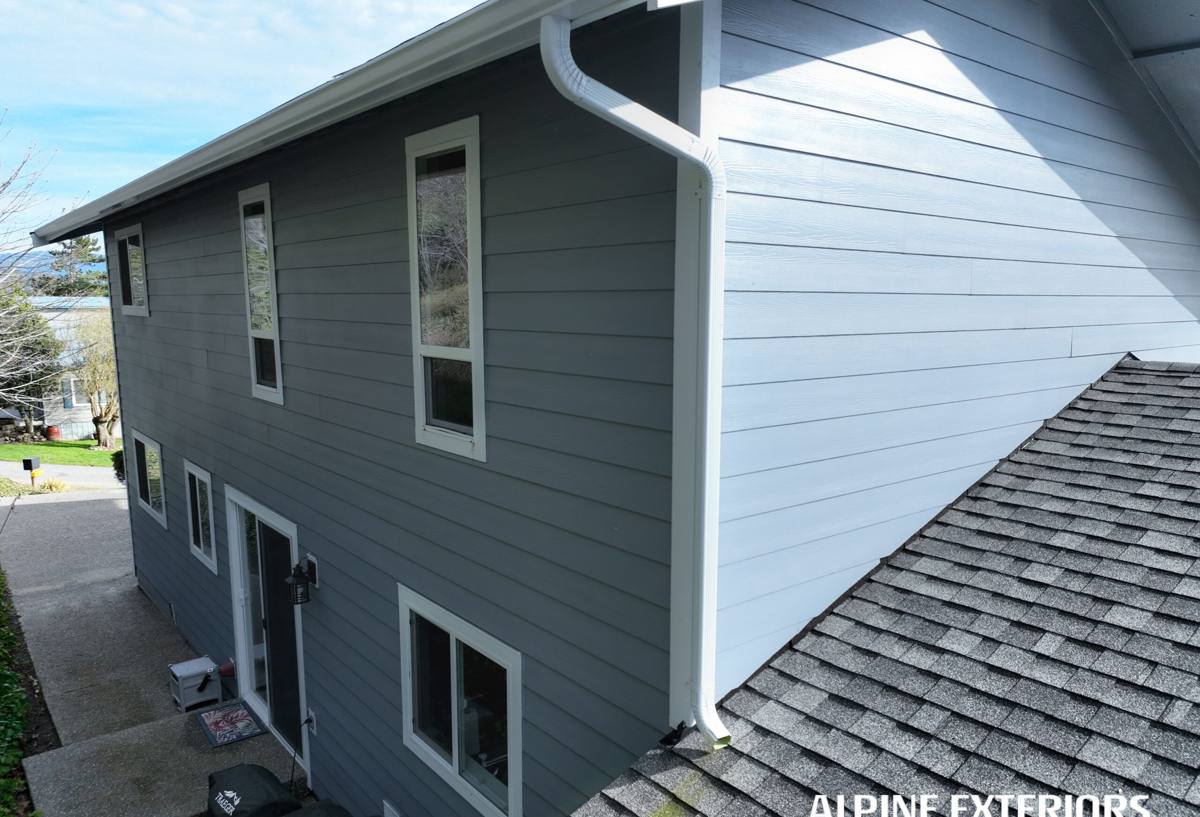
Why Nooksack Roofs Age Differently
Salt Air and Marine Exposure
Whatcom County's proximity to Bellingham Bay and the broader Salish Sea means airborne salt travels further inland than most homeowners expect, especially on windy days. Salt-laden moisture accelerates corrosion on exposed metal — flashing, fasteners, vent stacks, gutter hardware — well before the shingles or panels themselves show their age. A roof replacement in this area has to account for that from the start, not patch around it five years later.
Driving Rain and Wind-Driven Water
This isn't gentle, straight-down rainfall. Storms moving through the Nooksack River valley often bring wind-driven rain that hits roof planes at an angle, which means water finds its way under poorly lapped shingles, undersized flashing, and old nail patterns that were fine for calmer weather but aren't fine here. Roofs in this area need underlayment and flashing detail that assumes water will be pushed sideways and uphill at some point, not just falling straight down.
The Long Moss Season
Between the shade from mature trees common in this area, the humidity, and the sheer number of overcast, damp days each year, moss and algae get a long runway to establish themselves. Moss doesn't just look bad — it holds moisture against the roofing material, lifts shingle edges as it grows, and works its way into fastener penetrations over time. A roof that isn't detailed and, where appropriate, protected against moss will show it faster here than almost anywhere else in the state.
Signs a Nooksack Roof Needs Replacement, Not Just Repair
Not every roof problem calls for a full tear-off. But there's a point where repeated repairs cost more over time than doing it right once. Some signs worth taking seriously:
- Granule loss heavy enough that you can see bare asphalt on multiple slopes, not just one worn spot
- Soft or spongy decking felt underfoot in the attic or from the roof surface
- Moss that keeps returning within a season or two of cleaning, especially in shaded valleys
- Flashing that's rusted, lifted, or was clearly never properly integrated in the first place
- Daylight visible through the roof deck from inside the attic
- Multiple active leaks in different locations rather than one isolated spot
- A roof already past its material's realistic service life for this climate, regardless of how it looks from the ground
If you're only seeing one or two minor issues, a repair may be the honest answer — we'll tell you that rather than push a replacement you don't need yet.
What a Correct Replacement Involves Here
Full Tear-Off and Deck Inspection
Layering new shingles over old is common but it hides deck problems and shortens the life of the new roof. A proper replacement means stripping down to the deck, inspecting every sheet of sheathing, and replacing anything soft, delaminated, or water-damaged before anything new goes down. In a climate that pushes moisture into roofs as persistently as this one does, skipping that step is how "new roofs" fail early.
Underlayment and Water Barrier
Given the driving rain this area sees, we don't treat underlayment as an afterthought. Self-adhered ice-and-water barrier at eaves, valleys, and penetrations, paired with a synthetic underlayment across the rest of the field, gives the roof a real second line of defense if wind-driven water ever gets past the primary roofing material.
Ventilation That Actually Balances
Attic ventilation matters everywhere, but in a humid, moss-prone climate it matters more. Balanced intake at the eaves and exhaust at the ridge keeps moisture from condensing inside the attic, which protects the deck from the inside as much as good underlayment protects it from the outside. A replacement is the right time to correct ventilation that was never sized properly to begin with.
Flashing and Valley Detail
Most roof leaks trace back to flashing, not the field material. Chimneys, sidewalls, valleys, and vent penetrations need flashing that's properly lapped, corrosion-resistant given the salt exposure, and integrated with the underlayment rather than just caulked and hoped for. This is where cutting corners costs homeowners the most over time.
Material Choices for Nooksack's Climate
There's no single "best" roofing material for every home — it depends on budget, roof pitch, and how much long-term maintenance you're willing to stay on top of. Here's how the common options compare for this specific climate:
| Material | Moss/Moisture Behavior | Salt Air Durability | Typical Maintenance |
|---|---|---|---|
| Architectural asphalt shingle | Good with algae-resistant granules; needs periodic cleaning in shaded areas | Good, provided flashing and fasteners are corrosion-resistant | Moderate — occasional moss treatment |
| Standing seam metal | Sheds moss growth well due to smooth, steep-shed surface | Requires coated/corrosion-resistant panels and fasteners near marine air | Low — infrequent inspection |
| Wood shake | Higher moisture retention; more moss-prone without diligent upkeep | Moderate; hardware needs corrosion resistance | Higher — regular treatment and inspection |
| Composite/synthetic shingle | Good moisture resistance, consistent granule adhesion | Good with proper flashing package | Low to moderate |
We'll walk through these trade-offs honestly for your specific roof rather than steering you toward whatever's easiest to install. Appearance, budget, and how much upkeep you want to commit to all factor in.
How Our Replacement Process Works
- On-site inspection of the current roof, attic, and ventilation — we look at the whole system, not just the shingles
- A written scope and estimate that spells out materials, underlayment, flashing plan, and timeline in plain language
- Full tear-off and deck inspection, with any damaged sheathing replaced before new material goes down
- Installation of ice-and-water barrier, underlayment, new flashing, and the roofing material itself, in that order
- Ventilation check and correction where needed
- Final walkthrough with you before we consider the job finished
Why a Crew That Already Works Nooksack Matters
Roofing crews who work primarily in drier or more moderate climates sometimes underbuild for what this area actually throws at a roof — lighter flashing details, underlayment that's technically code-compliant but not built for sustained wind-driven rain, or moss prevention treated as optional rather than expected. A crew that already works Nooksack and the surrounding parts of Whatcom County has already seen which details hold up and which ones come back as callbacks two winters later. That's not a marketing point — it changes what gets specified on your roof before a single shingle goes down.
Familiarity with the area also means fewer surprises on scheduling and logistics — knowing how weather windows in this part of the county tend to run, and planning tear-off and dry-in accordingly so your home isn't left exposed longer than it needs to be.
What Affects the Cost of a Nooksack Roof Replacement
Every roof is different, so we won't quote a number without seeing yours, but the main factors that move the price are consistent:
- Roof size and number of squares to be covered
- Pitch and complexity — steep or cut-up roofs with many valleys and penetrations take more labor
- Condition of the existing deck and how much sheathing replacement is needed
- Material chosen, from standard architectural shingle up through metal or composite options
- Extent of flashing work required, especially around chimneys and sidewalls
- Ventilation corrections if the current attic system is undersized or unbalanced
- Accessibility of the roof for equipment and material staging
Keeping a New Roof Performing After Installation
A correctly installed roof still benefits from a bit of ongoing attention in this climate. Keeping gutters clear so water isn't backing up under the eaves, having moss growth addressed before it spreads rather than after, and a periodic visual check of flashing points go a long way toward getting the full service life out of the investment. We're happy to talk through a simple maintenance rhythm that fits your roof and your schedule once the replacement is done.
If your roof in the Nooksack area is showing its age or you're just not sure whether repair or replacement is the right call, we're glad to take a look. Use the form below to request a free, no-pressure estimate — no obligation, just a straight answer about where your roof actually stands.