 Lynden Roofing
 New Roof Installation for Nooksack-Area Homes
Nooksack sits in the Nooksack River valley just east of Lynden, in farm and floodplain country that gets more weather thrown at it than most homeowners realize. Marine air drifts in off the Georgia Strait and Bellingham Bay, driving rain sideways during winter storms, and the combination of shade, moisture, and mild temperatures makes moss and algae a year-round battle instead of a seasonal nuisance. A roof installed for a drier, more sheltered climate simply doesn't hold up the same way out here. When we install a new roof for a Nooksack home, we're building it for the actual conditions the roof will face for the next 20 to 30 years, not a generic spec sheet.
This page covers what a full roof replacement involves, what materials and details actually matter in this climate, and how our process works from the first estimate to final cleanup.
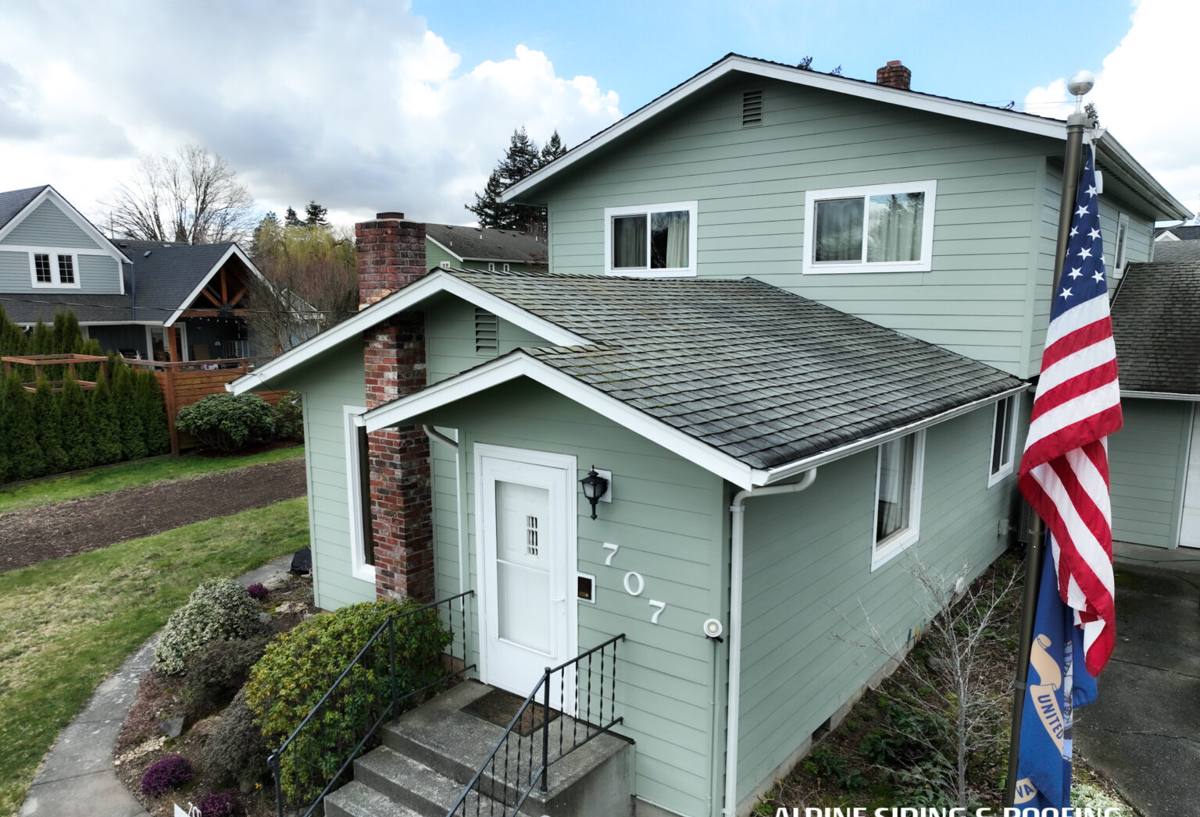
Signs a Repair Won't Fix It Anymore
Most homeowners don't wake up and decide they want a new roof. It's usually a slow accumulation of signs, or one bad storm that exposes problems that were already there. Common indicators we see on Nooksack-area homes include:
- Shingles that are cupping, curling at the edges, or losing granules in visible patches
- Moss buildup along the ridge and in shaded valleys that keeps coming back after cleaning
- Soft spots in the decking when walked on, especially near valleys or chimney flashing
- Daylight visible through the attic roof boards, or damp insulation after a heavy rain
- A roof that's 20+ years old, regardless of how it looks from the ground
- Multiple past repairs in different spots — a sign the underlying system is wearing out, not just one section
Age matters more than most people expect. A roof can look fine from the driveway and still be past the point where the underlayment and decking are doing their job. If you're seeing two or more of these signs, it's worth a real inspection rather than another patch.
What a Correct New Roof Installation Actually Involves
A new roof is more than swapping old shingles for new ones. The parts you don't see are what determine whether the roof performs in Whatcom County's wet, moss-prone conditions or turns into a repeat problem.
Tear-Off and Deck Inspection
We remove the old roofing down to the deck rather than layering over it. That's the only way to actually see what condition the wood is in. Water finds its way into decking over years, especially around valleys, skylights, and chimneys, and any soft or delaminated sheathing gets replaced before anything new goes down. Roofing over rotten decking just hides the problem under a new layer of shingles.
Underlayment and Water Barrier
In a climate with this much driving rain, the underlayment is doing real work, not just serving as a formality between deck and shingle. We use synthetic underlayment across the field and self-adhered ice-and-water membrane in the vulnerable spots — valleys, eaves, around penetrations, and anywhere wind-driven rain is most likely to get pushed under the shingle line.
Flashing
Flashing failures are one of the most common causes of leaks on roofs that otherwise look fine. Chimneys, skylights, sidewalls, and roof-to-wall transitions all need properly formed and step-flashed metal, not just caulk and hope. We replace flashing as part of a full installation rather than reusing old pieces that have already started to corrode or separate.
Ventilation
Attic ventilation affects both moisture and moss. A poorly ventilated attic traps warm, humid air against the underside of the deck, which shortens shingle life from the inside and encourages the same dampness that feeds moss growth on top. We check intake (soffit vents) and exhaust (ridge or box vents) as part of every installation and correct imbalances where we find them.
Choosing a Roofing Material for Nooksack's Climate
There's no single "best" roofing material — the right choice depends on your home, your budget, and how much long-term maintenance you're willing to stay on top of. Here's how the common options actually perform in this climate.
| Material | Moisture & Moss Behavior | Typical Lifespan | Maintenance Reality |
|---|---|---|---|
| Architectural asphalt shingle | Good drainage design; algae-resistant granule options reduce staining and moss buildup | 25–30 years | Moderate — periodic moss/debris removal in shaded areas |
| Standing seam metal | Sheds water and moss very effectively due to smooth, steep-draining surface | 40–50+ years | Low — occasional debris clearing, minimal moss adhesion |
| 3-tab asphalt shingle | Flatter profile holds moisture and debris longer than architectural shingles | 15–20 years | Higher — more frequent moss and algae issues |
| Wood shake | Absorbs and holds moisture; requires active upkeep to resist rot and moss in this climate | 20–30 years with upkeep | High — regular treatment and inspection needed |
For most Nooksack homes, we recommend architectural asphalt shingle with algae-resistant granules as the practical middle ground — good performance against moss and moisture without the upfront cost jump of metal. Standing seam metal is a strong option for homeowners planning to stay long-term and wanting to minimize moss maintenance altogether. We're honest about wood shake: it can look great, but in a climate this consistently damp, it demands a level of ongoing maintenance that most homeowners underestimate before they commit to it.
Building In Long-Term Moss and Moisture Protection
Moss isn't just cosmetic. Left alone, it holds moisture against the shingle surface, works its way under tabs, and can lift shingles enough for water to get underneath. A new roof installation is the best opportunity to build in protection that makes future moss growth slower and easier to manage:
- Algae-resistant shingles with copper- or zinc-infused granules along the most shaded slopes
- Proper attic ventilation so the deck isn't staying damp from the inside
- Clean, correctly pitched valleys and flashing that don't trap standing water or debris
- Gutter and edge details that move water off the roof instead of letting it pool at the eaves
- Trimming back overhanging branches where possible, since shade and falling debris are the biggest drivers of moss growth
None of this makes a roof moss-proof — nothing does, in this climate — but it significantly extends the time between cleanings and reduces the chance that moss turns into a moisture problem underneath the shingles.
Our New Roof Installation Process
- On-site inspection and estimate. We walk the roof, check the attic, and look at drainage, ventilation, and any problem areas before quoting anything.
- Material selection. We go over the options for your home, budget, and roof pitch, including the tradeoffs in the table above, so you're choosing with full information.
- Scheduling around weather. Given how much rain this area gets, we plan installation dates with realistic weather windows and have a plan for protecting an open roof if conditions shift mid-job.
- Tear-off and deck repair. Old roofing comes off, the deck gets inspected, and any damaged sheathing is replaced before moving forward.
- Underlayment, flashing, and ventilation work. The systems that actually keep water out go in correctly, not as an afterthought.
- Shingle or metal installation. Installed to manufacturer specification, which matters for both performance and warranty coverage.
- Final walkthrough and cleanup. We check the finished roof with you, clear debris and nails from the yard and gutters, and answer any remaining questions.
What Affects the Cost of a New Roof
Every roof is priced based on its own specifics, but the main factors that move the number are consistent across jobs. Rather than quote a number that won't apply to your house, here's what actually drives cost:
| Factor | Why It Matters |
|---|---|
| Roof size and pitch | Steeper roofs take longer to work safely and use more material per square |
| Number of layers to remove | Tearing off multiple existing layers adds labor and disposal cost |
| Deck condition | Rotted or soft sheathing found during tear-off needs replacement before installation continues |
| Material choice | Metal and premium shingle lines cost more upfront than standard architectural shingles |
| Roof complexity | Valleys, dormers, skylights, and chimneys all add flashing work and labor time |
| Access and staging | Tree cover, tight driveways, or difficult material staging can add time on site |
Full roof replacements on typical homes in this area generally run from the high single thousands into the low-to-mid five-figure range, with the material choice and roof complexity being the biggest swing factors. We give a firm, itemized number after seeing the actual roof — not a phone estimate.
Why a Crew That Already Works Nooksack Matters
A roofing crew that regularly works Whatcom County knows what to look for before problems show up. We know which slopes hold moss the longest based on tree cover and exposure, how the local rain pattern stresses valleys and flashing over time, and what ventilation setups actually keep pace with this level of humidity. That's not something you get from a crew passing through the area for one job — it comes from installing and later re-inspecting roofs on homes like yours, year after year, in this specific climate.
It also means we're accountable locally. If a question comes up after installation, we're not a phone number in another region — we're based here and stand behind our work on homes we can drive to.
Questions to Ask Before You Sign With Any Roofing Contractor
- Are they licensed and insured in Washington State, and can they provide proof?
- Does the written estimate specify materials, including underlayment and flashing type, not just "new roof"?
- Is the tear-off and deck inspection included, or is it an add-on if problems are found?
- What's the warranty on both materials and labor, and who do you call if something goes wrong?
- Do they have references or completed work in your area they can point to?
- Is the timeline realistic given the season, or does it sound rushed to fit a sales schedule?
Any contractor should be able to answer these clearly and without hesitation. If the answers are vague, that's worth paying attention to before you sign anything.
If your roof is showing its age or you just want an honest read on where it stands, we're happy to come take a look. Use the form below to request a free, no-pressure estimate for your Nooksack-area home.