 Lynden Roofing
 Ferndale's Climate Asks More of a Roof Than Most Places Do
Ferndale sits close enough to the water and to Whatcom County's marine weather patterns that a roof here has to deal with a different combination of stresses than a roof fifty miles inland. Salt-laden air accelerates corrosion on anything metal. Driving rain, pushed sideways by wind off the water, tests every seam, flashing detail, and nail line instead of just the open field of the roof. And a long, wet moss season means organic growth gets a real foothold on any surface that holds shade or moisture, sometimes for eight or nine months of the year. None of this makes a new roof installation in Ferndale exotic or unusually difficult, but it does mean the details matter more here than they would somewhere drier and further from the coast.
A roof that would perform fine in a dry inland climate can fail early in Ferndale if it was installed without accounting for these conditions. That's the real argument for treating this as a local service rather than a generic one-size-fits-all install.
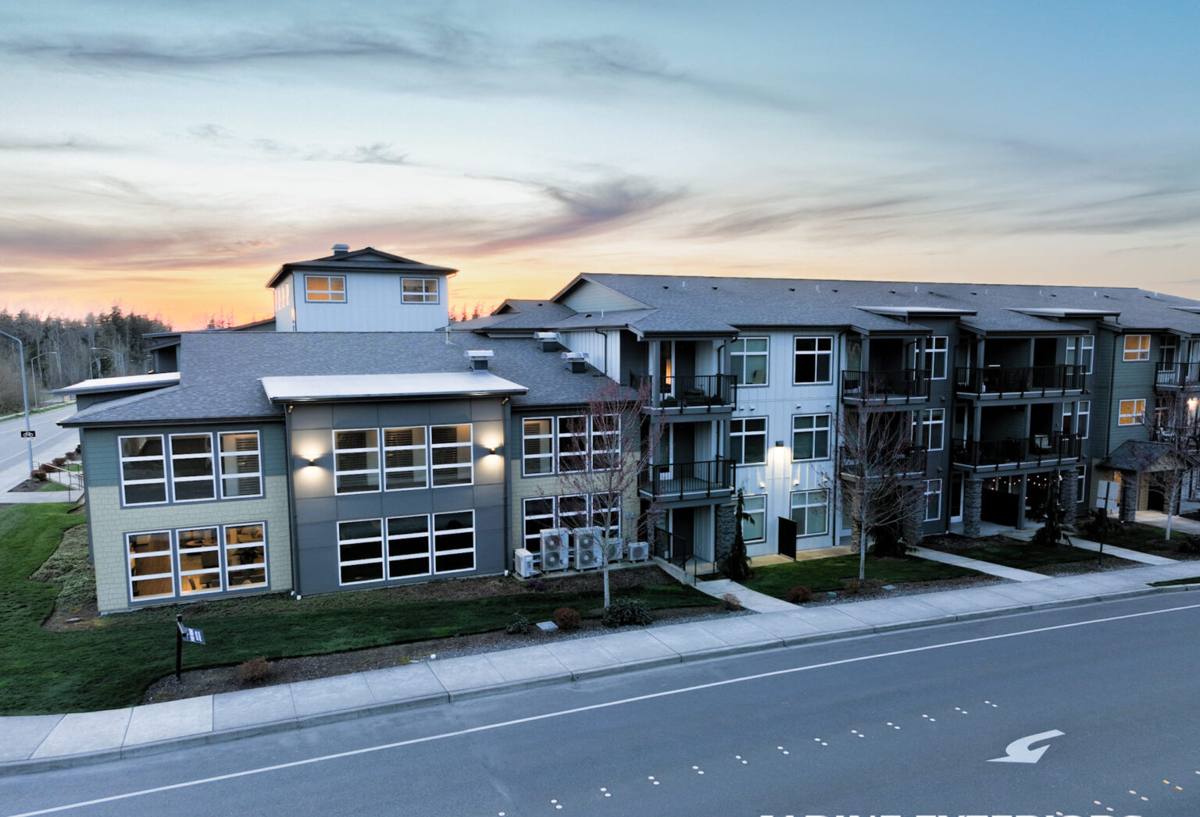
What a Correct New Roof Installation Actually Involves
A new roof is more than shingles nailed to plywood. The parts homeowners don't see are usually what determine whether a roof lasts fifteen years or thirty-five.
Tear-Off and Deck Inspection
We remove the old roofing material down to the deck rather than layering over it. This lets us actually see the plywood or OSB underneath, which in a wet climate like ours is where hidden problems show up — soft spots from long-term moisture intrusion, delaminated sheathing, or rot around old flashing points. Any compromised decking gets replaced before anything new goes down. Skipping this step to save time is one of the most common ways a roof fails early.
Underlayment and Moisture Barrier
Given how much rain Whatcom County sees, the underlayment layer is doing real work, not just serving as a formality. Self-adhered ice-and-water membrane at eaves, valleys, and any low-slope transitions gives the roof a second line of defense if wind-driven rain ever gets under the outer layer. This is a place where cutting corners doesn't show up as a problem for a year or two, but it does show up eventually.
Ventilation
Proper intake and exhaust ventilation keeps the attic space at a stable temperature and moisture level. In a climate with long damp stretches, poor ventilation traps moisture against the underside of the deck, which contributes to premature rot and can make an attic more hospitable to mold. Ventilation is also a factor in how long shingles last, since trapped heat and moisture age roofing material faster from underneath.
Flashing Details
Flashing around chimneys, skylights, sidewalls, and roof-to-wall transitions is where most leaks actually originate — not the open field of shingles. We install new flashing as part of every roof, not just where it looks worn, because reusing old flashing under new roofing is a false economy.
Material Choices for Ferndale Conditions
There's no single "correct" material for every home, but each option carries real tradeoffs once you factor in salt air, rain, and moss exposure.
| Material | Moss Resistance | Salt Air / Corrosion | Maintenance |
|---|---|---|---|
| Architectural asphalt shingle | Moderate — improves with algae-resistant granules | Not a concern for the shingle itself; fasteners and flashing still need corrosion-resistant metal | Periodic moss removal in shaded areas |
| Standing seam metal | High — smooth surface sheds moss more easily | Depends heavily on coating and fastener quality near the coast | Low, but coating and fastener quality matter more here than elsewhere |
| Cedar shake | Low without active maintenance — moss and moisture are its biggest long-term threats | Not directly affected, but hardware must be corrosion-rated | Highest — regular treatment and moss control required |
| Synthetic composite shingle | Moderate to high depending on product | Not a concern for the shingle body | Low to moderate |
We install asphalt and synthetic composite roofing as our primary standard for most Ferndale homes because the combination of moisture behavior, installation consistency, and long-term maintenance burden works best for this climate without asking homeowners to commit to an ongoing upkeep schedule. Cedar shake can look excellent, but its long-term performance in a climate with this much sustained moisture and moss pressure depends on maintenance most homeowners underestimate going in — that's a tradeoff we're upfront about rather than one we discover for you later.
Moss Is a Long-Season Problem Here, Not an Occasional One
In a lot of climates, moss is a once-a-year cleanup item. In Whatcom County, shaded and north-facing roof sections can stay damp long enough that moss gets a real foothold across most of the year. A new installation is the right time to build in prevention rather than treat it as a maintenance afterthought later.
- Zinc or copper strips installed near the ridge, which release trace metal ions that inhibit moss growth as rain washes over the roof
- Attention to tree cover and shade patterns during the design phase, since moss establishes fastest where a roof surface stays wet longest
- Correct ventilation, which keeps the deck and shingles from staying damp from underneath as well as from above
- Material selection that accounts for how much shade the roof actually gets, not just what looks good from the street
None of this eliminates moss entirely — nothing does in this climate — but it changes how often you have to deal with it and how much damage it causes if it does establish.
Salt Air Changes What "Corrosion-Resistant" Needs to Mean
Ferndale's proximity to Puget Sound means metal components on a roof are exposed to more airborne salt than homes further inland. This mostly matters for fasteners, flashing, and any metal roofing product. Standard galvanized hardware can start showing corrosion years earlier near the coast than it would inland. We spec stainless steel or higher-grade coated fasteners and flashing for homes in this area specifically because the extra cost up front is small compared to the cost of a flashing failure or fastener corrosion down the line.
Our Installation Process
- On-site inspection and estimate — we look at the existing roof, attic ventilation, and any problem areas before quoting anything
- Material selection — walking through the tradeoffs above based on your home's shade, exposure, and budget
- Permitting — pulling the required permit through the local jurisdiction before work starts
- Tear-off and deck inspection — removing old material and replacing any compromised sheathing
- Underlayment, flashing, and ventilation installation — the layers that determine long-term performance
- Roofing material installation — installed to manufacturer specification, which matters for warranty coverage
- Final walkthrough — reviewing the finished roof and cleanup with the homeowner before we consider the job done
Why a Crew That Already Works in Ferndale Matters
A roofing crew that regularly works Ferndale and the surrounding Lynden area already knows which permitting office to deal with, has a working sense of how exposure varies from one part of town to another, and has seen firsthand how moss and salt air affect roofs installed correctly versus roofs installed without those conditions in mind. That's not something a crew passing through from out of the area picks up on the first job. It shows up in small decisions — where ice-and-water membrane gets extended, which fastener grade gets specified, how ventilation gets balanced — that add up to a meaningfully different roof ten years down the road.
Questions Worth Asking Before You Sign a Roofing Contract
- Is the quote based on a full tear-off, or does it assume roofing over the existing layer?
- What underlayment is specified, and does it include ice-and-water membrane at eaves and valleys?
- What grade of fasteners and flashing is being used, and is it appropriate for coastal exposure?
- Is attic ventilation being addressed, or only the visible roofing surface?
- Does the quote include moss-prevention measures like zinc or copper strips, or is that a separate line item?
- Is the contractor licensed and insured in Washington, and will they provide proof before work starts?
- What does the manufacturer's warranty actually require in terms of installation method?
A contractor who can answer these clearly and specifically, without vague reassurances, is a good sign. One who can't is worth a second look.
Get a Straightforward Estimate
If you're weighing a new roof for a Ferndale home, we're glad to take a look and walk you through what your specific roof needs — no pressure, no inflated urgency, just a clear assessment of condition, options, and honest pricing. Use the form below to request a free estimate.