 Lynden Roofing
 Why Birch Bay Homes Wear Out Roofs Differently
Birch Bay sits right on the water, and that changes what a roof out here has to survive compared to a home fifteen minutes inland in Lynden. Salt-laden air moves off the bay and settles on everything it touches, including fasteners, flashing, and gutter hardware. Rain doesn't just fall straight down here — it comes in sideways, driven by wind off open water, and finds any weak point in a roof's edges, valleys, or penetrations. Add in the shade and dampness that many waterfront and tree-lined lots hold onto for much of the year, and you get a long moss season that starts earlier and lasts longer than it does further inland. None of this means a Birch Bay roof needs to be exotic or overbuilt. It means the details — the hardware grade, the flashing method, the underlayment coverage — have to be right the first time, because this climate finds every shortcut eventually.
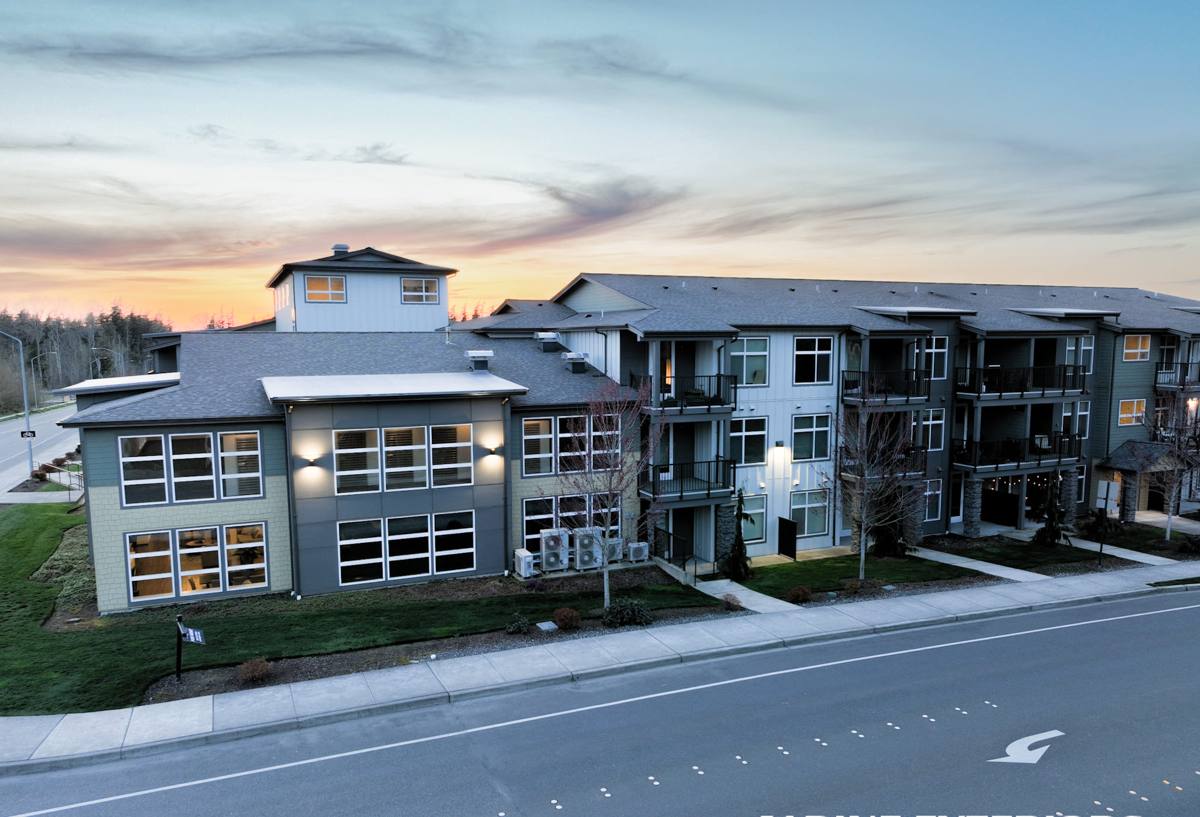
What a Correctly Installed Roof Needs to Handle Here
Salt Air and Hardware
Standard electro-galvanized nails and fasteners hold up fine in most inland settings, but salt air corrodes that thin zinc coating faster than it can protect the steel underneath. On a Birch Bay install we use stainless steel or hot-dip galvanized fasteners and matching-grade flashing metal, especially anywhere within direct sightline of the water. This is one of the most common causes of early roof failure we see on re-roofs in shoreline neighborhoods — not the shingles themselves, but corroded nails backing out or rusted flashing letting water in years before the rest of the roof is due.
Wind-Driven Rain and Flashing
Wind off the bay pushes rain up under roof edges and into any flashing seam that isn't sealed and lapped correctly. Valleys, eaves, and every roof-to-wall intersection get self-adhering ice-and-water membrane, not just standard felt, and step flashing at walls and chimneys gets woven into the roofing layer and sealed rather than simply caulked over the top. Vent pipes, skylights, and chimneys all need proper counter-flashing that sheds water outward instead of trapping it against the structure.
Moss, Algae, and Shade
Moss doesn't just sit on a roof — it lifts shingle edges as it grows and holds moisture against the deck underneath, which is how a moss problem turns into a rot problem. We can't change how much shade a lot gets, but we can specify algae-resistant shingle products and design the roof so water and debris don't pool in low-slope areas or valleys where moss gets its first foothold.
Choosing the Right Roofing Material for a Coastal Whatcom County Home
There's no single "best" material for every Birch Bay roof — it depends on the home's exposure, budget, and how long you plan to own it. Here's how the common options stack up under this specific climate:
| Material | Salt Air Resistance | Moss Resistance | Wind Performance | Typical Lifespan |
|---|---|---|---|---|
| Architectural asphalt shingle | Good, with coastal-grade fasteners | Good with algae-resistant granules | Strong when properly nailed and sealed | 25–30 years |
| Standard 3-tab asphalt shingle | Fair | Fair | Lower wind rating than architectural | 15–20 years |
| Metal (standing seam or coated panel) | Excellent with marine-grade coatings and fasteners | Excellent, sheds moss more easily | Excellent | 40–50+ years |
| Synthetic/composite shingle | Good | Good | Strong | 30–40 years |
We don't push one product on every home. A modest weekend cabin near the water and a full-time residence a half-mile inland can have very different tradeoffs worth weighing, and we'll walk through those honestly during the estimate instead of defaulting to whatever's easiest to install.
Ventilation: The Part Homeowners Never See But Always Feel
A new roof is only as good as the airflow underneath it. Balanced ventilation — intake at the soffits, exhaust at the ridge — keeps the underside of the roof deck cool and dry. Without it, moisture from inside the home condenses against the deck, which feeds moss and algae from below at the same time salt air and rain are working on the roof from above. It also shortens shingle life by cooking the underside of the roofing material from trapped heat in summer.
We see a lot of older Birch Bay homes and cabins that were converted from seasonal to year-round use over the years, and their ventilation often wasn't upgraded to match. Correcting soffit and ridge venting is something we handle while the roof deck is already open during a full install — it's far cheaper and cleaner to do it then than to retrofit vents into a finished roof later.
Our New Roof Installation Process
A correct tear-off and replacement follows a specific order, and skipping steps is where most roofing problems start. Here's how we run it:
- Inspection and estimate — we look at the existing roof, deck condition, ventilation, and any problem areas (valleys, chimneys, skylights) before quoting anything.
- Material selection — we go over shingle or metal options, fastener grade, and warranty structure so you know what you're paying for and why.
- Permitting and scheduling — we handle the paperwork and plan the job around a realistic weather window rather than rushing it into a forecast that doesn't cooperate.
- Tear-off and deck inspection — old roofing comes off down to the deck, and any soft, rotted, or damaged sheathing gets identified and replaced before anything new goes down.
- Dry-in — underlayment and ice-and-water membrane go on the same day the deck is exposed. We don't leave a roof open overnight in this climate.
- Flashing and detail work — valleys, chimneys, vent pipes, and wall intersections get flashed and sealed before the field shingles or panels go on.
- Ventilation correction — soffit and ridge venting gets balanced as part of the install, not treated as an afterthought.
- Final roofing layer and cleanup — shingles or panels go on, followed by a full site cleanup including a magnetic sweep for stray nails.
- Walk-through — we go over the finished roof with you before calling the job done.
What Drives the Cost of a New Roof in Birch Bay
Every roof is priced on its own specifics, but these are the factors that move the number most, especially on coastal homes:
| Factor | Why It Matters |
|---|---|
| Roof size and pitch | More square footage and steeper pitches mean more material and labor time |
| Number of layers to remove | Some older homes have more than one roofing layer, adding to tear-off time and disposal cost |
| Deck condition | Rotted or soft sheathing found during tear-off has to be replaced before roofing can go on |
| Material choice | Metal and premium architectural shingles cost more upfront but last longer in salt air |
| Roof complexity | Valleys, dormers, chimneys, and skylights all add flashing detail and time |
| Fastener and flashing grade | Stainless or marine-grade hardware costs more than standard but resists corrosion far longer this close to the water |
| Access | Steep sites, water-side setbacks, or limited driveway access can affect staging and labor |
Signs Your Birch Bay Roof Is Due for Replacement
Not every roof problem means a full replacement, but these are the signs worth having looked at before they turn into interior damage:
- Shingles that are curling, cracked, or missing granules, especially on the side facing the water
- Moss buildup that keeps returning within a season or two of cleaning
- Rusted or stained flashing around chimneys, vents, or skylights
- Nail heads visibly backing out or rust streaks running down the roof
- Soft spots or sagging when walked on, which can mean deck damage underneath
- Daylight visible through the roof deck from inside the attic
- A roof approaching or past 20–25 years old that hasn't been replaced since the home was built
- Rising energy bills that track with attic temperature swings, which can point to failed ventilation
Why Local Experience in Birch Bay Matters
A lot of roofing problems out here trace back to a crew that installed the roof correctly for a different climate. Fastener grade, flashing details, and ventilation choices that work fine in a drier or more sheltered part of the county don't always hold up on a shoreline lot. A crew that already works Birch Bay regularly knows which corners of a roof take the worst of the wind and rain, understands what tighter or waterfront-adjacent lots mean for equipment staging and dumpster placement, and is already familiar with Whatcom County's permitting process for this area. Some Birch Bay neighborhoods also have their own design guidelines worth checking on before locking in a material or color, and it helps to work with a crew that knows to ask about that upfront rather than after the shingles are ordered.
There's also a practical side to being local: when a windstorm off the bay causes damage, a crew that's already working in the area can typically respond faster than one dispatching from further away.
Get a Straightforward Estimate
If your roof is showing its age or you're planning ahead for a home near the water, we're glad to come take a look. The estimate is free, there's no pressure, and we'll give you an honest read on what your roof actually needs — nothing more, nothing less. Use the form below to get started.