 Lynden Roofing
 Why Windows Take a Beating in Maple Falls
Maple Falls sits up in the foothills east of Lynden, with heavier tree cover, cooler overnight temperatures, and more standing moisture through the fall and winter than homes closer to town. Combined with Whatcom County's marine-influenced weather — driving rain that comes in sideways during winter storms, salt-tinged air pushing inland off the coast, and a moss season that can run from October well into spring — old or poorly sealed windows don't just look tired, they actively work against your home. Frames swell and stick, seals fail, and moisture finds its way into places it shouldn't be.
A window that was fine ten or fifteen years ago may no longer be doing its job. The question for most homeowners here isn't whether to eventually replace windows, it's whether the current ones are still earning their keep or quietly costing money in heat loss, condensation damage, and drafts.
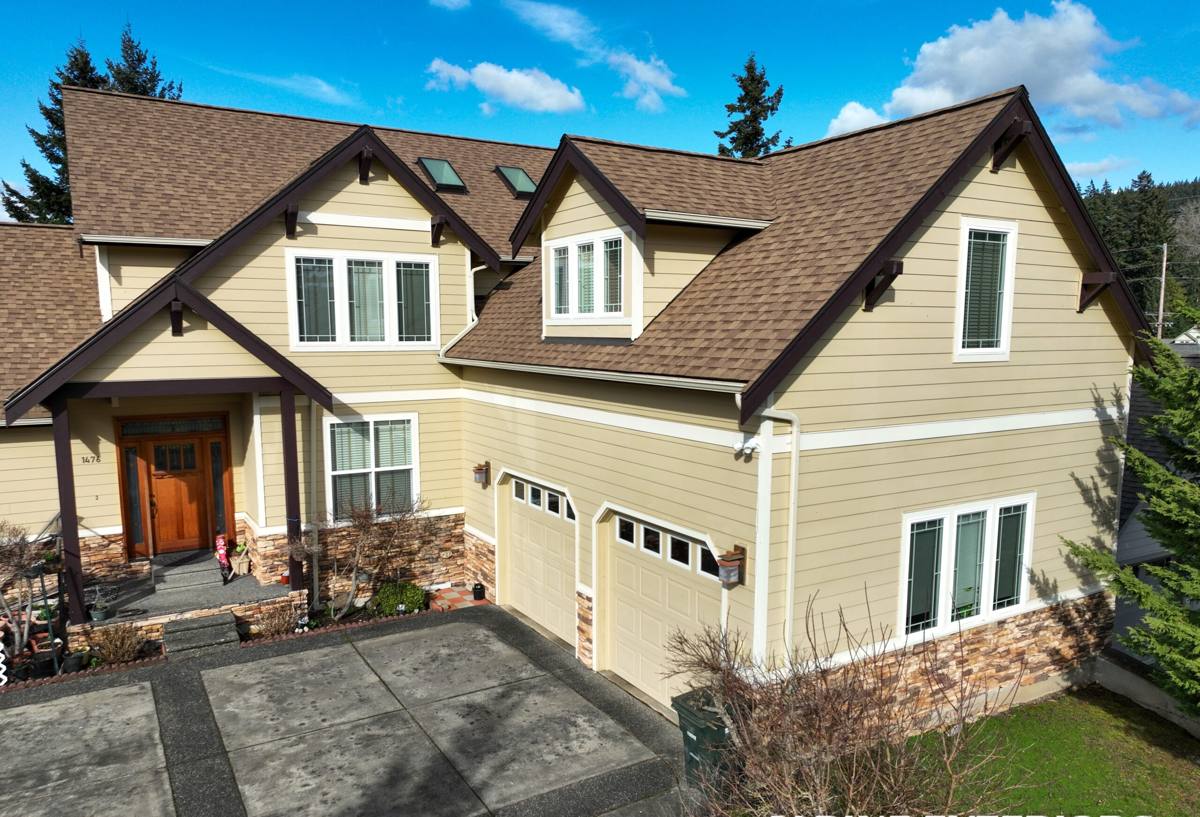
What Makes a Window Actually Energy-Efficient
"Energy-efficient" gets used loosely in this industry. For a home in this part of Whatcom County, it comes down to a handful of measurable things, not marketing language.
Frame Material
The frame has to hold up to repeated wetting and drying without warping, rotting, or letting water track behind it. Vinyl and fiberglass frames handle that cycle well with minimal upkeep. Wood and wood-clad frames can look great and perform well thermally, but they demand more maintenance in a climate that stays damp for months at a time — if that upkeep gets skipped, moisture problems show up at the joints first.
Glazing and Gas Fill
Double-pane glass with a low-emissivity (Low-E) coating and an argon gas fill between the panes is the baseline for this region. The coating reflects heat back into the room in winter and blocks excess solar heat in summer, while the gas fill slows heat transfer compared to plain air. Triple-pane glass exists and performs even better on paper, but the marginal energy benefit in our mild, rain-heavy climate is smaller than in a true cold-winter climate — it's worth weighing against the added weight, cost, and hardware demands before assuming it's the right call.
Ratings That Actually Matter
Two numbers tell you most of what you need to know: U-factor, which measures how well the window resists heat loss (lower is better), and SHGC (Solar Heat Gain Coefficient), which measures how much solar heat passes through (lower is better for rooms that already get warm). Look for the NFRC label on any window you're considering, and check that it qualifies for ENERGY STAR in the Northern climate zone, which is the relevant zone for Whatcom County.
Signs It's Time to Replace, Not Just Repair
Not every drafty window needs full replacement — sometimes new weatherstripping or a hardware adjustment solves it. But certain symptoms point to the window itself being past the point of a good fix.
- Fogging or a hazy film between the panes — the seal has failed and the gas fill is gone
- Visible soft spots, dark staining, or spongy wood at the sill or lower frame corners
- Windows that are painted shut, warped, or won't stay open on their own
- Cold air you can feel near the glass or frame even with the window fully closed
- Interior condensation or moisture beading on the glass through the colder months
- Moss or mildew building up on sills and frames faster than you can keep it cleaned off
- A noticeable jump in heating costs without a matching change in usage
If you're seeing two or more of these on the same window, replacement is usually the more honest recommendation than another repair.
Comparing Frame Options for This Climate
There's no single "best" window for every home — it depends on budget, how much upkeep you want to take on, and what the rest of the house is doing. Here's a straightforward comparison for the moisture and temperature swings typical of the Maple Falls area.
| Frame Material | Moisture Resistance | Insulation Value | Maintenance | Relative Cost |
|---|---|---|---|---|
| Vinyl | Very good | Good | Low — no painting or sealing | Lower |
| Fiberglass | Excellent | Very good | Low | Moderate to higher |
| Wood-Clad | Good, if maintained | Very good | Higher — exterior clad needs periodic inspection | Higher |
For a lot of Maple Falls homes, vinyl or fiberglass ends up being the practical choice simply because it removes ongoing maintenance from the list of things you have to stay on top of in a wet climate. Wood-clad is a legitimate option when the look matters and you're prepared to keep up with it.
Why the Installation Matters More Than the Window Itself
A high-end window installed poorly will underperform a mid-range window installed correctly — this is one of the most common misunderstandings homeowners run into. The window is only one part of the system.
Flashing and Water Management
Every window opening needs proper flashing that directs water down and out, integrated correctly with the house wrap or weather-resistive barrier behind the siding. Skip this step or do it wrong, and water gets behind the wall assembly where you can't see it — by the time it shows up as staining or soft drywall inside, the damage has usually been building for a while.
Sealing and Insulation
The gap between the window frame and the rough opening needs to be insulated and air-sealed without overfilling it, which can bow the frame and cause the window to bind. Interior and exterior sealant beads need to go down clean, continuous, and in the right places — not just around the visible trim.
This is where a lot of the value in hiring an experienced crew actually shows up. It's not visible on install day, and it's exactly the part that determines whether the window is still performing well in ten years or causing a hidden rot problem.
How the Job Works, Start to Finish
On-Site Assessment
We look at each opening individually — not every window on a house is in the same condition, and some may need more attention to framing or flashing than others. We'll flag anything we find, including hidden moisture damage, before work starts.
Product Selection
We walk through frame material, glazing, and performance ratings honestly, including the trade-offs, so the decision fits your budget and how much upkeep you actually want to do — not just the highest number on a spec sheet.
Installation Day
Old units come out carefully so we can check the opening for rot or moisture damage that wasn't visible from outside. New flashing goes in, the new window is set plumb, level, and square, insulated and sealed properly, and trim is finished to match the surrounding siding and interior casing.
Final Walkthrough
We check operation on every window, confirm the seals and trim look right inside and out, and clean up the work area before we leave.
What Better Windows Actually Change for Your Home
The energy savings from window replacement are real, but they show up gradually on a bill rather than as a dramatic before-and-after. What homeowners usually notice faster is comfort: fewer cold spots near windows in winter, less draft, rooms that hold temperature more evenly, and far less condensation fogging up the glass on cold mornings. That last point matters more than it sounds — chronic condensation is what feeds the moss, mildew, and sill rot that this climate is so good at creating. Cutting that moisture cycle off at the window protects the wood trim and siding around it too.
Why a Crew That Already Works in Maple Falls Matters
Window installation done right depends on understanding how a specific building's water and air management works, and that's shaped by the local climate and typical construction in the area. A crew that regularly works homes around Lynden and up into Maple Falls has already seen how wind-driven rain tends to hit these properties, what building department requirements apply in Whatcom County, and how older homes in this area were typically framed and flashed the first time around — which matters when we're replacing something that was installed decades ago under different standards.
There's also the practical side: if a warranty question or adjustment ever comes up down the line, it's a lot easier to get a straight answer from a crew that's a short drive away and already familiar with your house, rather than starting over with someone new.
If your windows are drafty, fogged, hard to operate, or just older than you'd like to admit, we're happy to take a look and give you a straight, no-pressure estimate — no obligation, just an honest read on what your home actually needs. Fill out the form below to get started.