 Lynden Roofing
 Laurel Roofs Work Harder Than Most People Realize
Laurel sits in the mix of open farmland and tree-lined properties that makes up so much of the Lynden area, and that setting shapes how a roof ages here. Whatcom County pulls moisture off the Salish Sea and the Strait of Georgia for a good part of the year, which means roofs in this area deal with a fine, persistent salt-tinged air on top of the region's already heavy annual rainfall. Add in the shade and windbreak that come from mature trees on many rural and semi-rural lots, and you get long stretches where roof surfaces simply don't dry out between storms. That combination — damp air, driving rain, and shade — is exactly what moss, algae, and slow-moving leaks feed on.
None of this means a roof in Laurel is doomed to fail early. It means the roof has to be built and installed correctly for these specific conditions, not just installed to a generic spec sheet. A roofing system that would hold up fine in a dry inland climate can underperform here if the underlayment, flashing, and ventilation weren't chosen with our wet season in mind.
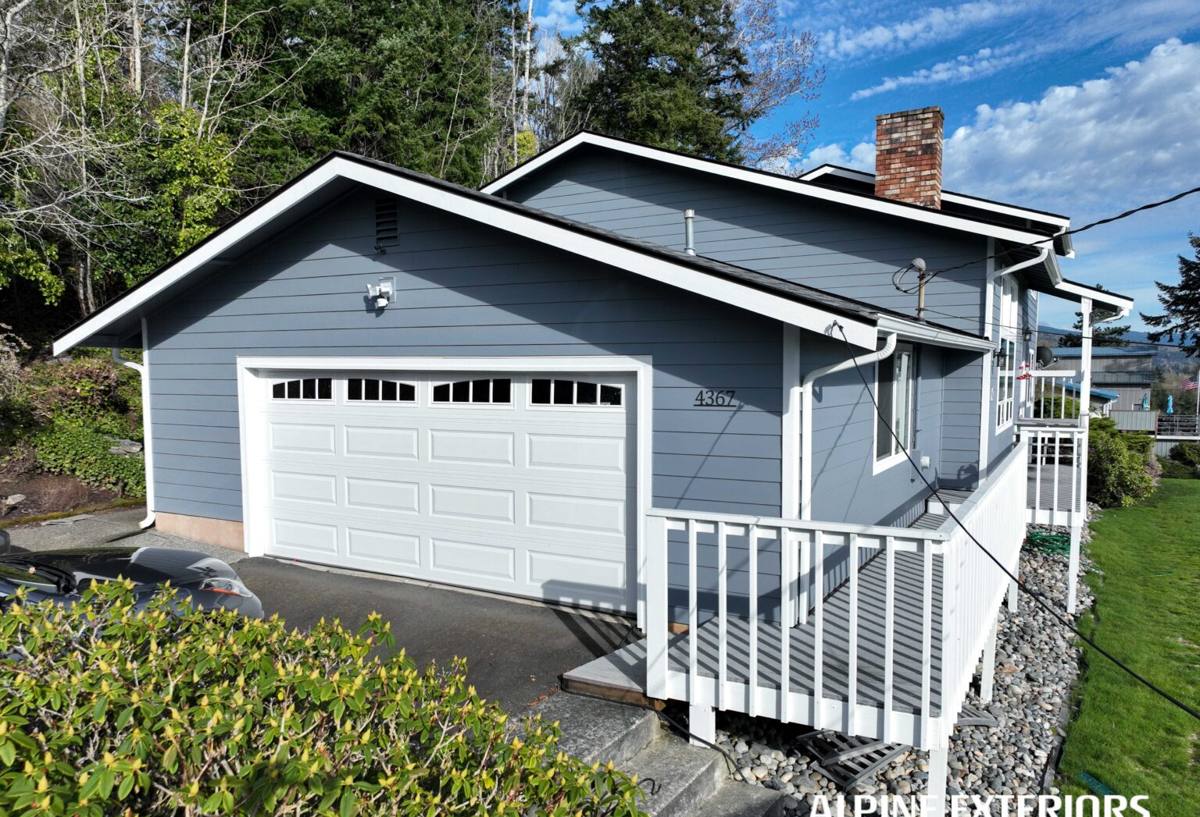
Signs a Laurel Home Needs Replacement, Not Another Repair
Roof repair has its place, and a good contractor will tell you honestly when a patch is enough. But there's a point where repeated repairs stop making financial sense and start masking a bigger problem underneath. Homeowners in Laurel should start asking about full replacement when they notice:
- Granule loss heavy enough that gutters are visibly filling with grit each season
- Moss that keeps returning within months of being cleaned, especially on north-facing or shaded slopes
- Shingles that are cupping, curling, or cracking rather than lying flat
- Soft spots or sagging when walked on, which usually points to decking damage underneath
- Daylight visible through the roof deck from inside the attic
- Interior staining on ceilings or in the attic that reappears after every heavy rain
- A roof that's already had two or more repair visits for leaks in different spots within a couple of years
Any one of these on its own might be a repair. Several together, especially on an older roof, usually mean the underlying materials have reached the end of their useful life and a patch will only buy a short amount of time.
What a Correct Roof Replacement Actually Involves
Full tear-off and deck inspection
A proper replacement starts with removing the existing roofing down to the deck — not layering new shingles over old ones. This is the only way to actually see the plywood or OSB sheathing underneath, which in a climate like ours is often where the real damage is hiding. Rot, delamination, and soft spots from years of trapped moisture need to be found and replaced before anything new goes down. Skipping this step is one of the most common ways a roof replacement fails early.
Underlayment built for wet weather
The underlayment is the roof's backup layer if wind-driven rain gets past the shingles, which happens more often here than in drier parts of the state. We use synthetic or self-adhering underlayment products suited to sustained wet conditions, with extra attention to ice-and-water shield membrane at eaves, valleys, and any low-slope transitions where water tends to sit longer.
Flashing at every penetration and edge
Chimneys, skylights, vent pipes, wall-to-roof transitions, and valleys are where the majority of leaks actually start — not in the open field of shingles. Correctly installed metal flashing, properly lapped and sealed, is what keeps water moving off the roof instead of finding its way underneath it.
Ventilation that matches the climate
Balanced intake and exhaust ventilation keeps the attic space close to outdoor temperature and humidity, which reduces condensation buildup, ice damming in cold snaps, and premature aging of the roof deck from the underside. In a humid climate like ours, ventilation is not optional — it's part of what makes the whole system last.
Choosing a Roofing System Built for This Climate
There's no single "best" roofing material for every home — it depends on the roof's slope, the home's style, the budget, and how much maintenance the homeowner wants to take on. Here's an honest comparison of the systems we most often discuss with Laurel homeowners.
| System | Moss & moisture behavior | Typical lifespan | Maintenance | Upfront cost |
|---|---|---|---|---|
| Standard asphalt shingle | Moderate — needs periodic cleaning in shaded areas | 15–20 years | Moderate | Lowest |
| Architectural (laminate) shingle | Better shedding and algae-resistant granule options available | 25–30 years | Low to moderate | Mid-range |
| Standing seam metal | Excellent — sheds moss and water quickly, minimal organic growth | 40–50+ years | Low | Highest |
| Metal shingle/panel systems | Very good — similar moisture shedding to standing seam | 30–50 years | Low | High |
For homes in and around Laurel with significant tree cover, we generally steer homeowners toward algae-resistant shingle products or metal when the budget allows, simply because moss and moss-related granule loss are the most common early failure points we see in this specific area. That's a maintenance and moisture judgment, not a knock on standard shingles — they're a perfectly reasonable choice for a roof with good sun exposure and a homeowner willing to keep up with cleaning.
Our Roof Replacement Process, Start to Finish
- On-site inspection and honest assessment — we get on the roof, check the deck condition where accessible, and tell you plainly whether you need replacement or just repair.
- Material selection — we walk through options and trade-offs based on your roof's slope, sun exposure, and budget, not a one-size-fits-all pitch.
- Written estimate — clear scope, materials, and price before any work is scheduled.
- Permitting — handled on our end where required, so you're not chasing paperwork.
- Full tear-off — old roofing removed and hauled away, deck exposed and inspected.
- Deck repair — any damaged sheathing replaced before moving forward.
- Underlayment, flashing, and ventilation installed — the parts of the job that determine whether the roof actually performs in our climate.
- New roofing installed to manufacturer specification.
- Site cleanup — including a magnetic nail sweep of the property.
- Final walkthrough — we go over the finished roof and warranty paperwork together.
What to Expect During the Project
Most residential roof replacements in this area take one to three days on-site, depending on roof size, complexity, and weather. Given how much rain Whatcom County sees across the year, scheduling around dry weather windows is a normal part of planning the job — we won't tear off a roof if we can't get it dried in and protected the same day. Expect noise during tear-off and installation, some foot traffic around the perimeter of the house, and debris staged for haul-away. We take care to protect landscaping, gutters, and siding during the work, and we walk the property afterward to check for stray nails and debris.
Cost Factors for a Laurel Roof Replacement
Every roof is different, but the same handful of factors drive most of the price variation we see on jobs in this area.
| Factor | Why it matters |
|---|---|
| Roof size and pitch | More square footage and steeper slopes mean more material and more labor time |
| Number of existing layers | Removing multiple old roofing layers adds tear-off time and disposal cost |
| Decking condition | Rot or soft spots found during tear-off require sheathing replacement |
| Material choice | Standard shingle, algae-resistant shingle, and metal systems carry different material and install costs |
| Roof complexity | Valleys, dormers, skylights, and chimneys all add flashing work and labor |
| Access and site conditions | Tree cover, steep driveways, and tight lot access can affect staging and haul-away |
We don't publish blanket prices because these factors genuinely change the number — but we'll give you a clear, itemized estimate before any work starts, so there are no surprises partway through the project.
Why a Crew That Already Works Laurel Matters
Roofing crews that work across a wide, varied territory don't always build a feel for how one specific area behaves. A contractor who regularly works properties in and around Laurel and the broader Lynden area gets a practical sense of which slopes tend to hold moss longest, which older homes in the area were built with roofing details that are now outdated, and how local permitting and inspection typically go. That familiarity shows up in small but meaningful ways — knowing to double up on ice-and-water protection in a shaded valley, or recognizing a deck problem before it becomes a mid-project surprise. It also means a shorter response time if a storm causes damage and you need someone out quickly, rather than waiting on a crew based well outside the county.
After the Install: Keeping a Laurel Roof Sound
A correctly installed roof still benefits from basic upkeep, especially in a climate that stays damp for much of the year. A simple annual routine goes a long way:
- Clean gutters at least twice a year, more often if there's heavy tree cover overhead
- Have moss and algae growth treated before it spreads, rather than after it's established
- Trim back branches that overhang the roofline to reduce shade and debris buildup
- Do a visual check of flashing around chimneys and vents once a year
- Watch the attic for any signs of moisture or staining after major storms
- Schedule a professional inspection every few years, even without visible problems
These small habits matter more here than in drier climates, simply because Whatcom County gives moss and moisture more time to work on a roof each year.
Let's Take a Look at Your Roof
If you're weighing repair against replacement, or you just want an honest read on how much life is left in your current roof, we're happy to take a look. There's no pressure and no obligation — just a straightforward assessment from a crew that knows what Laurel's climate does to a roof over time. Use the form below to request a free estimate.