 Lynden Roofing
 New Roof Installation for Laurel Homes
Laurel sits in the flat, open farmland just south of Lynden, where weather rolls in off the water with nothing much to slow it down before it hits a rooftop. Homes out here take a different kind of beating than roofs closer to town or up in the foothills — more wind exposure across open fields, more standing moisture under tree lines along property edges, and a roofing season that has to work around planting, harvest, and the general rhythm of rural life. A new roof installation in this area isn't a one-size-fits-all job. It has to be built for the specific way Laurel's climate wears a roof down over time.
This page focuses on one thing: what goes into a correctly installed new roof for a Laurel home, and why the details matter more here than they do in a drier, more sheltered part of the state.
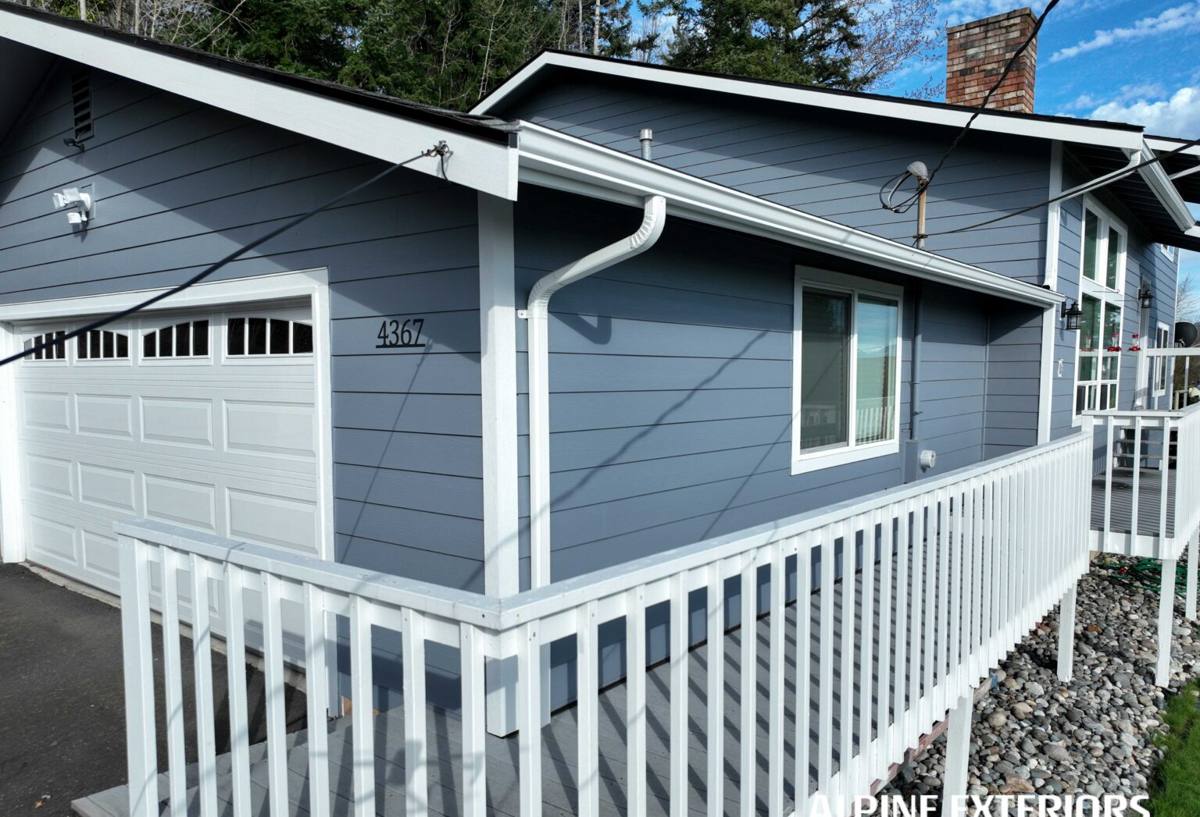
What Whatcom County's Climate Does to a Roof
Three things define roofing conditions around Lynden and Laurel, and each one attacks a roof differently.
Salt Air
Whatcom County's proximity to the water means airborne salt and moisture reach further inland than most homeowners expect. Salt-laden air accelerates corrosion on exposed metal — flashing, fasteners, vents, and gutter hardware — long before the shingles themselves show their age. A roof built for this area needs corrosion-resistant metal components from the start, not standard-grade hardware that was priced for a landlocked climate.
Driving Rain
Pacific storms don't just drop rain straight down here — wind pushes it sideways, up under shingle tabs, and into any seam that wasn't sealed correctly. Laurel's open exposure means less windbreak than a roof tucked into a wooded lot closer to Lynden proper. That makes underlayment quality, flashing detail, and fastening pattern more important than they would be in a calmer microclimate.
A Long Moss Season
Mild temperatures and near-constant moisture for much of the year give moss and algae a long window to establish themselves on a roof — often eight months or more out of the year. Moss doesn't just sit on top of shingles; it holds moisture against the roofing material, works its way under tabs, and lifts granules over time. Left unchecked, it shortens the life of an otherwise sound roof by years.
Signs a Laurel Home Needs a New Roof, Not Another Repair
Not every roofing problem calls for full replacement. But there's a point where patching becomes more expensive, over time, than doing the job right once. Watch for:
- Granules collecting in gutters or at downspout outlets in noticeable amounts
- Shingles that are cupping, curling, or cracking, especially on south- and west-facing slopes
- Moss growth that returns within a season or two of cleaning
- Soft spots or sagging when walked on, which usually points to decking damage underneath
- Daylight visible through the roof deck from inside the attic
- Repeated leaks in different spots after past repairs
- A roof that's 20+ years old with no major work done since installation
- Rising energy bills tied to poor attic ventilation or insulation performance
If a roof is showing two or more of these signs at once, a new installation is usually the more cost-effective path than continuing to chase individual repairs.
Choosing the Right Roofing System for Laurel's Conditions
There's no single "best" roofing material — the right choice depends on budget, the home's structure, and how much long-term maintenance a homeowner wants to take on. Here's how the common options stack up for a home in this climate:
| Material | How It Handles Salt Air & Rain | Moss Resistance | Typical Lifespan |
|---|---|---|---|
| Architectural asphalt shingle (standard) | Good with proper flashing and fasteners | Moderate — benefits from algae-resistant granules | 25–30 years |
| Algae-resistant asphalt shingle | Good with proper flashing and fasteners | Better — copper/zinc granules resist algae staining | 25–30 years |
| Standing seam metal | Excellent when finished and fastened correctly; sheds water fast | High — smooth surface gives moss little to grip | 40–50+ years |
| Composite/synthetic shake | Good, non-absorbent material resists moisture damage | Good, but still benefits from regular cleaning | 30–50 years |
Cost varies with material, roof complexity (pitch, valleys, penetrations), and access. As a broad range, homeowners in this area typically see full replacement costs anywhere from the mid four figures for a straightforward asphalt roof up to well into five figures for metal or a large, complex roofline. We'll always walk through actual numbers for your specific roof during a free estimate rather than quoting off a general range.
What a Correct New Roof Installation Actually Involves
A roof is only as good as the layers a homeowner never sees once it's finished. For a climate like Laurel's, these details are non-negotiable:
Tear-Off and Deck Inspection
Old roofing material comes off completely so the deck underneath can be inspected. Rot, soft spots, or water-damaged sheathing from years of moisture intrusion need to be replaced before anything new goes down — covering over a compromised deck just hides the problem.
Ice and Water Shield
Self-adhered waterproof membrane goes down at eaves, valleys, and around every penetration — chimneys, vent stacks, skylights. These are the spots where driving rain and wind-blown moisture find their way in first, and they need a second line of defense beyond the shingles themselves.
Synthetic Underlayment
A full layer of synthetic underlayment across the deck adds water resistance and holds up to the amount of moisture exposure this region sees over a roofing season, which can stretch out longer than contractors in drier climates plan for.
Flashing at Every Transition
Step flashing at walls, counter-flashing at chimneys, and proper valley flashing are where most roof leaks actually start. Corrosion-resistant metal matters here specifically because of the salt content in the air.
Fastening Pattern
Shingles fastened to the manufacturer's high-wind pattern — not the minimum spec — hold up better against the sideways-driving rain and gusts that come through open, exposed lots like the ones common around Laurel.
Ridge and Attic Ventilation
Balanced intake and exhaust ventilation keeps the attic space at a stable temperature and moisture level. Poor ventilation traps humid air against the underside of the roof deck, which contributes to premature aging, condensation issues, and mold — separate from, but related to, the moss problem happening outside.
Ventilation and Moisture Control Deserve Extra Attention Here
In a climate with this much sustained moisture, ventilation isn't a minor detail — it's one of the biggest factors in how long a new roof actually lasts. A roof can have premium shingles and still underperform if the attic underneath is trapping humid air. We check existing ventilation as part of every new roof estimate and address intake and exhaust balance as part of the installation, not as an afterthought or an upsell after the job has started.
Our Installation Process
- On-site inspection and estimate. We walk the roof, check the deck where accessible, and talk through material options honestly — including what we wouldn't recommend for your specific roof and why.
- Written scope and timeline. You get a clear plan before any work starts, including material specifics and what happens if we find deck damage once tear-off begins.
- Weather-aware scheduling. We plan installation around forecast windows rather than pushing through a storm system, which matters more here than in drier parts of the state.
- Tear-off and deck inspection. Old material comes off, the deck gets inspected, and any damaged sheathing is addressed with your approval before it's covered.
- Underlayment, flashing, and shingle or panel installation. Each layer goes down to spec, with extra attention at valleys, penetrations, and wall transitions.
- Ventilation check and correction. Intake and exhaust are verified and adjusted as needed.
- Final walkthrough and cleanup. We review the finished roof with you and make sure the property is cleared of debris and nails.
Why Hire a Crew That Already Works in Laurel and Lynden
A roofing crew that regularly works Whatcom County knows what "normal wear" looks like on a roof out here versus a roof somewhere drier — and that changes how a job gets scoped. We know which details get shortcut when a contractor doesn't have local experience: undersized ice and water shield coverage, standard-grade fasteners that weren't rated for salt exposure, or a ventilation setup that was fine for a different climate but leaves moisture trapped here. We also know how to plan around this area's weather patterns so a tear-off doesn't sit exposed to an incoming storm.
Hiring locally also means accountability. A crew based near Lynden isn't disappearing after the invoice clears — if something needs a look under warranty, we're not far away.
Ready for an Honest Look at Your Roof
If your roof is showing its age or you just want a straight answer about whether repair or replacement makes more sense for your home, we're happy to take a look. Use the form below to request a free, no-pressure estimate — we'll walk the roof, explain what we find, and give you options that actually fit your home and your budget.