 Lynden Roofing
 Asphalt Shingle Roofing Built for Laurel's Weather
Laurel sits close enough to the water and low enough in the Nooksack Valley that its roofs take a specific kind of beating. Homes here deal with a mix of salt-laden air, wind-driven rain that doesn't just fall straight down but pushes sideways under eaves and around flashing, and a moss season that can run most of the year in shaded, north-facing sections of a roof. An asphalt shingle roof that's installed correctly for these conditions will outlast one that was installed the same way you'd install it in a dry inland climate. This page is about that difference — what Laurel homes specifically need from an asphalt shingle roof, what a correct installation actually involves, and how we approach the job when we're working in this neighborhood.
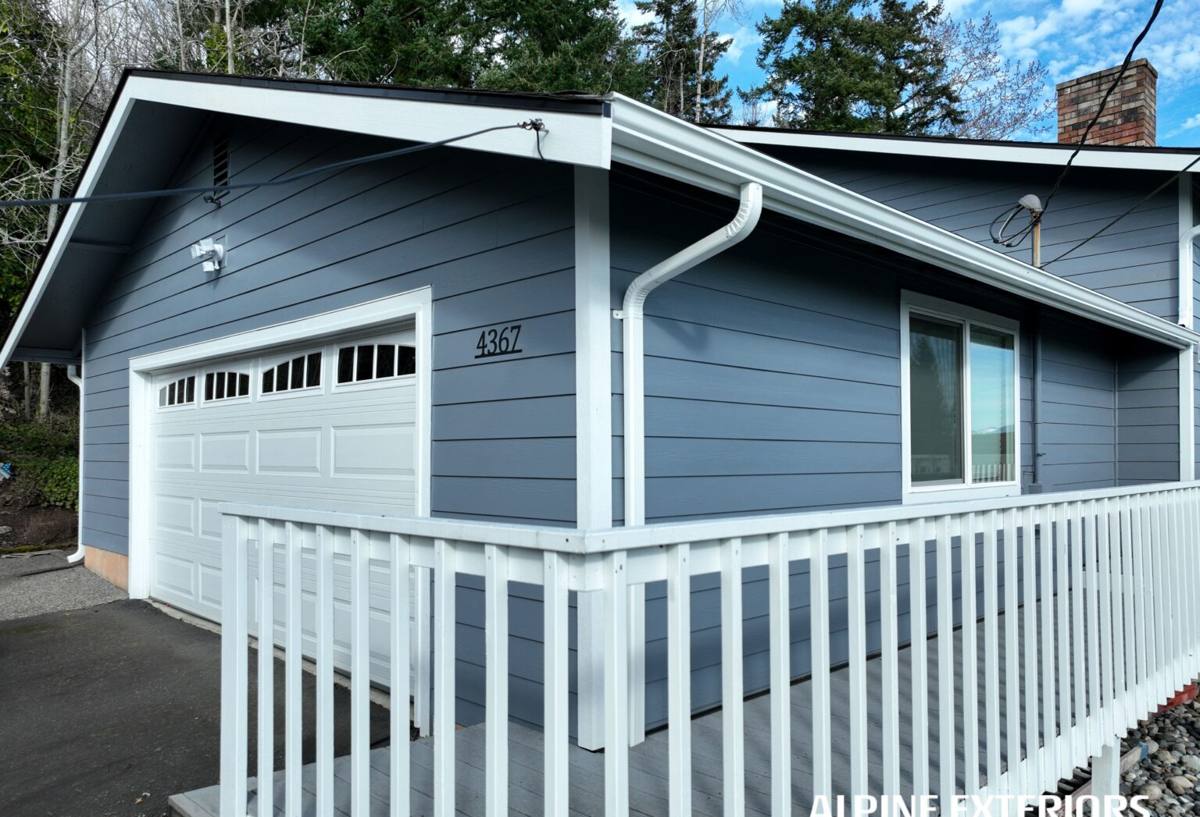
What Laurel's Climate Actually Does to a Roof
Salt Air and Metal Components
Salt in the air accelerates corrosion on anything metal on your roof — nail heads, flashing, vent stacks, gutter hardware. It's not dramatic or sudden; it's a slow process that shows up years later as rust streaking, weakened fastener holding power, or flashing that's thinner and more brittle than it should be. The fix isn't complicated, but it does mean being deliberate about material choice rather than defaulting to whatever's cheapest.
Driving Rain and Wind-Driven Water
Whatcom County storms often bring rain that moves horizontally, not just down. That kind of weather finds every weak seam in a roof system — lifted shingle tabs, under-lapped flashing, gaps at valleys and penetrations. A roof that would be fine in a calm, straight-down rainfall can leak in Laurel if the underlayment, flashing, and shingle overlap aren't built with sideways-moving water in mind.
A Long Moss Season
Shaded, north-facing roof sections and anything under overhanging trees stay damp for extended stretches here. Moss doesn't just look bad — it holds moisture against the shingle surface, works its way under tab edges as it grows, and can lift shingles enough to let water in. Left unaddressed for years, moss growth shortens the usable life of an otherwise sound roof.
What a Correctly Installed Asphalt Shingle Roof Includes
"Asphalt shingle roof" covers a wide range of actual outcomes, depending on what's underneath the shingles and how carefully each layer was installed. For a roof that's meant to hold up in Laurel's conditions, we consider all of the following non-negotiable:
- Full tear-off and a deck inspection — never shingling over an existing layer, and never guessing at deck condition
- Synthetic underlayment across the full roof, not felt paper alone
- Ice-and-water shield membrane at eaves, valleys, and around every penetration, where wind-driven rain is most likely to find a way in
- Metal drip edge at eaves and rakes, sized and fastened correctly
- New flashing at every chimney, skylight, sidewall, and vent penetration — old flashing gets reused far too often on lower-quality jobs
- Correct nailing pattern and nail placement per the shingle manufacturer's specification, not a generalized pattern
- Balanced intake and exhaust ventilation, sized to the attic space
- Starter strip along eaves and rakes to prevent early tab lift in wind
None of these are optional add-ons. They're what separates a roof that looks finished from a roof that's actually built to perform through a Whatcom County winter.
Choosing Shingles for Laurel's Conditions
Not every asphalt shingle product performs the same way in a wet, moss-prone, salt-air environment. The table below breaks down the general tiers homeowners choose between.
| Shingle Tier | Wind Resistance | Algae/Moss Resistance | Typical Appearance |
|---|---|---|---|
| 3-Tab (economy) | Lower rated, more prone to tab lift in driving wind | Standard granules only, unless specifically treated | Flat, uniform look |
| Architectural (mid-tier) | Higher wind rating from laminated construction | Often available with algae-resistant granules | Dimensional, shadow-line look |
| Premium/Impact-Rated | Highest wind ratings, better fastener holding | Algae-resistant granules standard on most product lines | Heaviest dimensional profile |
For most Laurel homes, we recommend at minimum an architectural shingle with algae-resistant granules — the copper or zinc-infused granules found in these products slow moss and algae growth on the roof surface itself, which matters given how long roofs stay damp here. Whether a mid-tier or premium product makes sense depends on your roof's pitch, sun exposure, and how long you plan to stay in the home; we'll walk through the honest trade-offs during your estimate rather than pushing the most expensive option by default.
Our Process, Start to Finish
Inspection and Estimate
We start by actually getting on the roof — not estimating from the driveway. We check deck condition, existing ventilation, flashing condition, and moss/algae extent, then give you a written estimate that spells out what's included.
Tear-Off and Deck Repair
Full removal of the old roofing down to the deck. Any soft, rotted, or delaminated decking gets flagged and replaced before anything new goes down — this is where a lot of hidden roof problems get found, particularly around old flashing points and valleys.
Installation
Underlayment, ice-and-water membrane, drip edge, flashing, and shingles go down in that order, following manufacturer specifications for nailing and overlap. We pay particular attention to valleys, sidewalls, and penetrations, since that's where wind-driven rain causes the most trouble.
Cleanup and Walkthrough
Magnetic sweep for stray nails, full site cleanup, and a walkthrough where we show you what was done and answer questions before we consider the job finished.
Ventilation: The Part You Don't See
Attic ventilation doesn't get much attention from homeowners because it's invisible once the roof is finished, but it directly affects how long your shingles last. A roof deck that traps heat and moisture in the attic will cook shingles from underneath and can void manufacturer warranties outright. Balanced ventilation — intake low at the eaves, exhaust high at the ridge — keeps air moving through the attic space year-round. In a climate as damp as Whatcom County's, that airflow also helps the deck itself dry out between storms rather than staying perpetually damp, which matters for the long-term health of the wood underneath your shingles.
Moss, Algae, and Ongoing Maintenance
Even a well-installed roof needs some upkeep in Laurel's climate. A few minutes of attention once or twice a year goes a long way toward protecting the investment.
- Keep gutters clear so water isn't backing up under the shingle edge
- Trim back overhanging branches to reduce shade and debris on north-facing slopes
- Have moss physically removed rather than pressure-washed, which can strip granules and shorten shingle life
- Watch for granule buildup in gutters, which signals accelerated shingle wear
- Check flashing and sealant points annually, especially after a hard winter
- Address small leaks immediately — a small deck repair now is far cheaper than a full re-deck later
Cost Factors for a Laurel Re-Roof
We don't publish flat prices because two roofs of the same square footage can cost very differently depending on the specifics. What actually drives the number:
| Factor | Why It Matters |
|---|---|
| Roof size and pitch | Steeper roofs take longer to work safely and require more material overlap |
| Number of existing layers | Tear-off of multiple old layers adds labor and disposal cost |
| Deck condition | Rotted or soft decking found during tear-off requires replacement before shingling |
| Shingle tier selected | Material cost and warranty length scale with the product tier |
| Roof complexity | Valleys, dormers, skylights, and chimneys all add flashing work and time |
| Access and site conditions | Tree cover, steep lots, or limited staging area affect labor time |
We walk through each of these factors during the on-roof inspection so your estimate reflects your actual roof, not a generic square-footage guess.
Why Hiring a Crew That Already Works in Laurel Matters
A roofing crew that regularly works in Lynden and the surrounding Whatcom County communities has already seen how local conditions play out over time — which roof orientations hold moss longest, how wind-driven rain tends to find its way in around this area's typical roof designs, and what it takes to get a roof through moss season without ongoing headaches. That familiarity shows up in small decisions during installation that a crew unfamiliar with the area might not think twice about. It also means we're not guessing at permit requirements or disappearing once the invoice is paid — we're a phone call away if a question comes up next winter.
If you're weighing a repair against a full re-roof, or just want an honest read on where your current roof stands, we're glad to take a look. Fill out the form below for a free, no-pressure estimate.