 Lynden Roofing
 Roofing in Kendall: What the Climate Actually Demands
Kendall sits out in Whatcom County's north end, surrounded by tree cover, farmland, and the kind of weather pattern that doesn't let a roof coast through the year. Homes out here deal with heavy marine air pushing inland, long stretches of driving rain, and shaded rooflines that stay damp far longer than a roof in a drier climate ever would. Add a moss season that can run most of the year in shaded valleys and under fir canopy, and you've got a roof system that's working harder than most homeowners realize.
A roof replacement in this area isn't just about swapping old shingles for new ones. It's about building a roof assembly that can shed a lot of water fast, resist moss colonization in shaded and north-facing sections, and hold up to salt-tinged coastal air moving in off the Strait without the fasteners, flashing, and metal components corroding out from under a shingle that still looks fine on the surface.
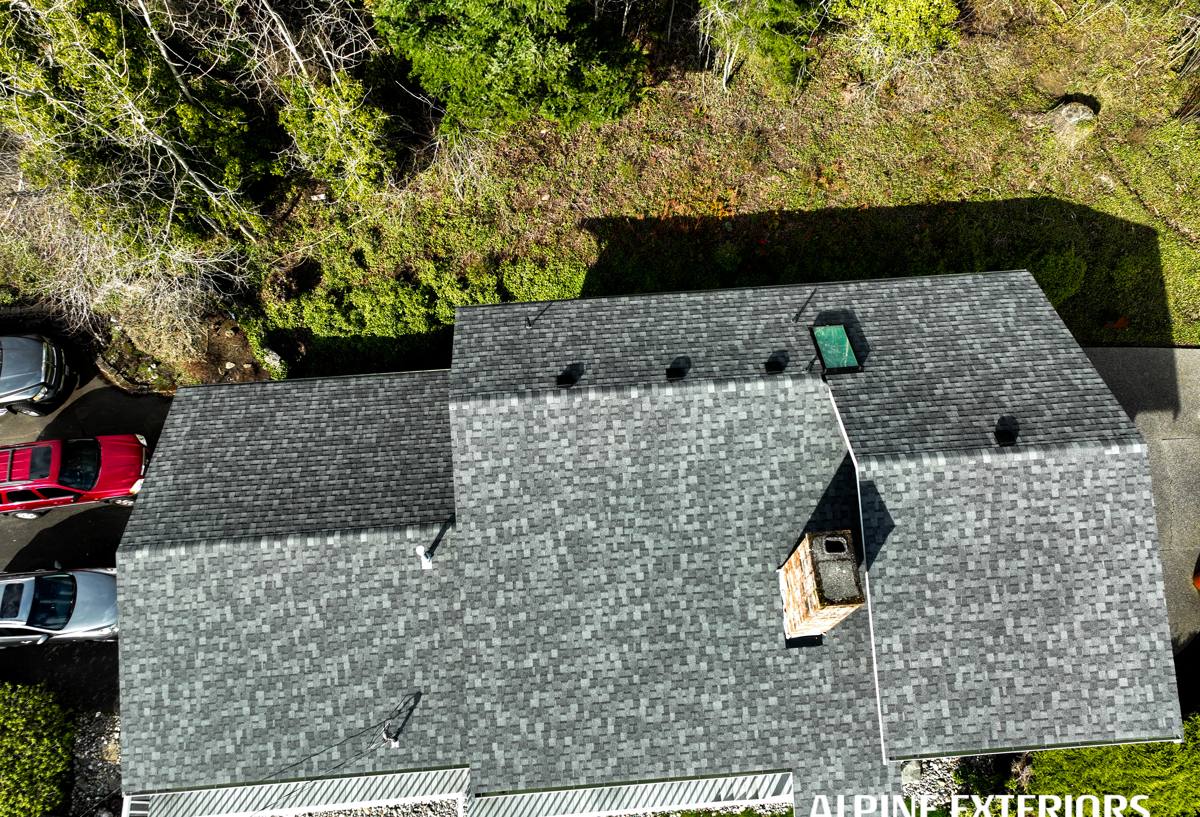
How to Tell a Kendall Roof Needs Replacement, Not Just Repair
Most roofs give you warning signs well before they fail outright. The trick is knowing which signs mean "patch it" and which mean "the whole system is done."
Repair-level signs
- A handful of cracked, curling, or missing shingles in one isolated area
- A single flashing point leaking around a chimney, vent, or skylight
- Light surface moss that hasn't lifted shingle edges yet
Replacement-level signs
- Granule loss heavy enough that shingles look bald or patchy across large sections
- Moss and moisture damage that's spread under multiple courses, not just sitting on top
- Soft, spongy decking felt underfoot when walking the roof
- Daylight or water staining visible in the attic along the roof deck
- A roof already past its material's expected service life, even if it "looks okay" from the ground
In a climate that stays wet as long as this one does, moisture damage rarely stays put. By the time it shows up as a stain on a ceiling, it's usually been working on the decking and framing underneath for a while.
What a Correct Roof Replacement Actually Involves
A roof replacement done right is a full system rebuild, not a cosmetic layer swap. For a Kendall-area home, that means paying close attention to the parts that don't show up in a curbside photo.
Full tear-off
We remove the old roofing down to the deck rather than layering over it. Layering traps moisture that's already worked its way in and hides decking problems that need to be caught now, not in five years.
Deck inspection and repair
Every sheet of decking gets checked for soft spots, delamination, or rot, especially in shaded sections where moisture sits longest. Damaged sections get replaced before anything new goes down.
Underlayment built for wet climates
A synthetic or self-adhered underlayment gives a second line of defense against wind-driven rain, which matters a lot more here than in drier parts of the state.
Ice and water shield at vulnerable points
Eaves, valleys, and low-slope transitions get extra protection where water is most likely to back up or linger.
Flashing, done right
New flashing at every chimney, wall intersection, valley, and penetration, sized and fastened to shed water instead of just deflect it.
Ventilation that actually balances
Intake at the eaves and exhaust at the ridge, sized to move air through the attic. This is one of the most skipped steps in a cheap re-roof and one of the biggest drivers of premature moss growth and decking rot in a marine climate.
Material Options for Kendall Homes
There's no single "best" roofing material for every house here — it depends on the roof's pitch, how much shade it sits under, and what the homeowner wants to maintain long-term. Here's how the common options stack up for this climate specifically.
| Material | Typical Lifespan | Moss / Moisture Behavior | Maintenance Needs | Relative Cost |
|---|---|---|---|---|
| Architectural (laminate) asphalt shingle | 25–30 years | Good with proper ventilation and zinc/copper strips; needs periodic moss treatment in shaded areas | Low to moderate | Moderate |
| Standing seam metal | 40–50+ years | Sheds water and resists moss colonization very well due to smooth, non-porous surface | Low | Higher upfront |
| Synthetic composite (shake-look) | 30–50 years | Resists moisture absorption better than wood; performance varies by manufacturer | Low to moderate | Moderate to higher |
| Cedar shake | 20–30 years with upkeep | Naturally absorbs and holds moisture; requires active moss and moisture management in shaded, wet settings | High | Higher, plus ongoing upkeep cost |
We're honest with Kendall homeowners about cedar in particular: it's a beautiful material, but in a spot with heavy tree cover and long wet stretches, it asks for a level of ongoing maintenance — cleaning, treating, monitoring for moisture retention — that a lot of busy households don't want to keep up with. That's a maintenance-burden and moisture-behavior tradeoff, not a knock on the product itself, and we'll walk through it honestly if it's on your shortlist.
Our Replacement Process, Step by Step
- On-site inspection. We walk the roof and attic, check decking condition, ventilation, and flashing points, and take photos to show you exactly what we find.
- Written estimate. A clear scope of work and price, broken down by material, labor, and any decking repair allowance, so there's no guessing later.
- Scheduling around the weather. We plan tear-off and dry-in for realistic weather windows, since a half-finished roof and a Whatcom County rain system don't mix.
- Tear-off and deck repair. Old material comes off, decking gets inspected and replaced where needed, and the deck is prepped for underlayment.
- Underlayment, flashing, and ventilation install. The system that actually keeps water out goes in before a single new shingle or panel is laid.
- New roofing installed to manufacturer spec. Correct nailing patterns, exposure, and fastening — the details that determine whether a warranty is actually valid.
- Final walkthrough and cleanup. We check the finished roof with you, confirm gutters and downspouts are clear, and make sure the property is left clean.
What Actually Drives the Cost
Two roofs that look similar from the street can cost very different amounts depending on what's underneath and around them. These are the factors that matter most on Kendall-area homes.
| Factor | Why It Matters |
|---|---|
| Roof size and number of facets | More square footage and more valleys/hips mean more material and labor |
| Pitch and access | Steeper or harder-to-access roofs take longer and require more safety setup |
| Decking condition | Rot or soft sheathing found during tear-off adds repair cost, but skipping it isn't an option |
| Number of existing layers | Removing multiple old layers takes more labor and disposal than a single-layer tear-off |
| Material choice | Asphalt, metal, and synthetic composites carry different material and install costs, as shown above |
| Ventilation and flashing upgrades | Bringing an older roof's airflow and flashing up to current standards adds some cost but prevents the moisture problems this climate is known for |
We give real, itemized numbers during the on-site estimate rather than a ballpark over the phone — too much of the final cost depends on what we find once we're actually on the roof and in the attic.
Why a Crew That Already Works Kendall Matters
Roofing crews who spend their time on Kendall and greater Lynden rooflines get a practical education that doesn't come from a manual: which roof orientations hold moss longest under this area's tree cover, how much ventilation a given attic actually needs to keep up with the marine air moving through, and how to sequence a tear-off around a weather system instead of getting caught mid-job when the rain rolls back in. That local rhythm is why we build our schedule around realistic dry windows rather than optimistic ones.
It also means we're not guessing at permitting or inspection expectations for Whatcom County jobs — we've been through the process enough times that it moves without surprises. And if a warranty question or a follow-up concern comes up after the job's done, you're calling a crew that's still working the same area, not chasing down a company that rolled through once and left.
Keeping a New Roof Healthy After Install
A correct install gives you a strong starting point. What you do after matters too, especially in a climate that pushes moss and moisture year-round.
- Keep gutters and downspouts clear so water isn't backing up under the roof edge
- Trim back overhanging branches to cut down on shade, debris, and moss-friendly conditions
- Have moss growth addressed early, before it lifts shingle edges or holds moisture against the surface
- Check the attic once or twice a year for any sign of moisture, staining, or musty odor
- Schedule a periodic roof check-up rather than waiting for a visible leak to call someone out
If you're weighing a repair against a full replacement, or just want an honest read on where your roof actually stands, we're glad to come out, walk the roof, and give you a straight answer. The estimate is free, there's no pressure attached to it, and you can fill out the form below to get started.