 Lynden Roofing
 New-Construction Windows in Kendall, Washington
Building a new home or cabin out in Kendall is a different job than swapping windows into an existing wall. New-construction window installation happens during framing and dry-in, before siding and interior finish go on, and it has to work in step with the framer, the house wrap, the flashing plan, and often a general contractor's schedule. Get it right at this stage and the windows perform for decades. Get it wrong, and the mistakes get sealed up behind siding and drywall where nobody finds them until there's a stain on a windowsill years later.
We install new-construction windows for builders and owner-builders around Kendall and the rest of the Lynden area, and we treat this as its own trade, not an afterthought squeezed in between framing and siding crews.
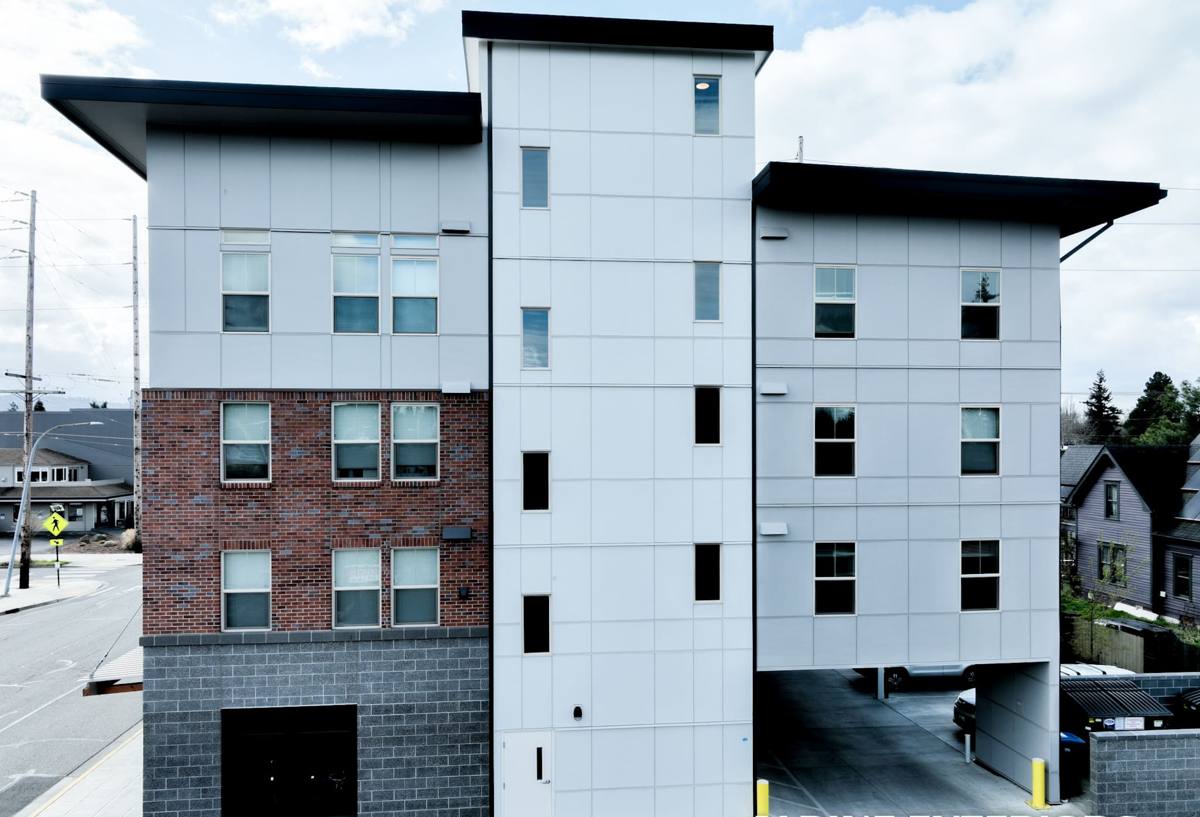
Why Kendall's Climate Is Part of the Job
Whatcom County sits under a wet, marine-influenced weather pattern most of the year — driving rain that comes in sideways during winter storms, long stretches of overcast humidity, and a moss season that can run from fall through spring. Kendall's wooded, river-adjacent lots along the Nooksack River drainage add their own wrinkle: more tree canopy means more shade, slower drying after a storm, and surfaces that stay damp longer than they would on an open, sunny lot closer to town.
That combination matters for window installation because most window failures aren't caused by bad glass or a bad frame — they're caused by water finding a path behind the window through a gap in flashing, a missed sealant joint, or house wrap that wasn't lapped correctly. On a new build, we're not fixing 15-year-old caulk failures; we're building the water management system correctly the first time, while the wall is still open and every layer is still accessible.
Salt-tinged marine air moving in off the Sound also plays a role in material choices countywide — it accelerates wear on unprotected metal hardware and lower-grade finishes faster than a dry inland climate would. On a wooded Kendall lot that stress shows up less as salt corrosion and more as prolonged dampness, so the hardware and frame materials we recommend are chosen with both factors in mind.
What This Means for a New Build
On a shaded, rural lot, we pay extra attention to a few things that get skipped on easier sites: sill pan drainage so any water that does get past the frame has somewhere to go, generous head flashing that actually sheds water past the wall plane instead of just covering the gap, and window selection that tolerates a long damp season without trapping moisture at the frame.
What a Correct New-Construction Install Involves
New-construction windows use a nailing flange (also called a nail fin) that gets integrated directly into the wall's water-resistive barrier — the house wrap or building paper. The sequence matters as much as the window itself:
- Rough opening checked for square, level, and correct sizing before the window ever goes in
- Sill pan flashing installed first, sloped or dammed so water drains outward, never inward toward the framing
- Window set, shimmed, and fastened per the manufacturer's structural requirements — not just "nailed until it feels solid"
- Side flashing installed in proper shingle-lap order so each layer sheds water onto the one below it
- House wrap integrated over the flange and top flashing, maintaining a continuous drainage plane down the wall
- Head flashing or a drip cap set last, lapped over the wrap above it
- Interior and exterior sealant placed only where it belongs — sealing the wrong gap can trap moisture instead of keeping it out
Every one of those steps is inspectable while the wall is open. Once siding goes on, most of them aren't. That's why we don't treat window installation as something that can be rushed to keep a framing schedule — a missed lap or a skipped sill pan on a new build becomes a hidden, expensive problem later, especially under Kendall's wetter, shadier conditions.
Choosing Windows for a Kendall New Build
Frame material is a real decision on new construction, since you're picking it once and living with it for the life of the house. There's no single "best" material — it depends on budget, exposure, and how much upkeep the homeowner wants to sign up for.
| Frame Material | Moisture Behavior | Maintenance | Typical Cost |
|---|---|---|---|
| Vinyl | Won't rot; performs well in damp climates when installed correctly | Low — occasional cleaning | Lower |
| Fiberglass | Very stable, minimal expansion/contraction, strong moisture resistance | Low | Mid to higher |
| Wood-clad | Good performance if the exterior cladding stays intact; any breach exposes wood core to a long wet season | Higher — finish and seals need periodic attention | Higher |
| Aluminum | Durable but prone to condensation and heat loss without thermal breaks | Low, but performance-limited here | Varies |
For most Kendall builds, vinyl or fiberglass windows with a solid warranty and good glass package do the job without asking the homeowner to maintain a finish every few years. Wood-clad windows can still be the right call for a specific architectural look, but on a shaded, damp lot we're upfront that the cladding and seals need to be inspected periodically — that's an honest trade-off, not a knock on the product.
Glass and Energy Performance
Washington's state energy code sets minimum U-factor requirements for new construction, and in Whatcom County's climate zone, low-E, argon-filled dual or triple-pane glass is the practical standard — it cuts heat loss and reduces condensation on the interior glass surface during our cold, damp mornings. We size glass packages to the house's overall energy plan, not just the cheapest code-minimum option, since undersizing here tends to show up later as fogged interior glass or a cold room.
Working With Your Builder or GC
New-construction window work only goes smoothly when the trades are coordinated. We work directly with framers, GCs, and owner-builders to schedule installation right at dry-in — after the wall sheathing and house wrap are on, before siding starts. That timing window is narrow, and missing it either delays the siding crew or forces window installation to happen out of the correct sequence, which is where shortcuts creep in.
Before installation, we confirm rough opening sizes against the window order, check that the house wrap and flashing plan match the manufacturer's installation instructions, and flag anything in the framing that needs correcting before the windows arrive. Catching a sizing or squareness issue before the windows show up on site saves everyone a delay.
Code and Egress Requirements
New construction has to meet current building code, which includes egress sizing for bedroom windows, safety glazing near doors and low sills, and the energy code performance minimums mentioned above. We build these requirements into the window order and layout from the start rather than discovering a problem at final inspection. A failed inspection on window egress or glazing is one of the more avoidable delays on a build, and it's entirely preventable with correct planning up front.
A Homeowner's Checklist for Vetting a New-Construction Window Installer
If you're building in Kendall and choosing who installs your windows, a few questions separate a crew that does this correctly from one that's just handling it as a side task:
- Do they install sill pan flashing on every window, every time — not just on "problem" elevations?
- Can they explain their flashing lap sequence without hesitating?
- Do they coordinate directly with the house wrap and siding installer to keep the drainage plane continuous?
- Are they familiar with current WA State Energy Code requirements for your climate zone?
- Will they document window placement and flashing before it's covered by siding?
- Do they carry manufacturer-backed warranty coverage tied to a certified installation?
If any of those get a vague answer, that's worth slowing down for.
Why Local Experience in Kendall Matters
Kendall's rural lots, longer wet season, and heavier tree cover aren't the same conditions as a new build on an open, sunny lot closer to Bellingham Bay. A crew that already works this area knows to plan for slower drying times between weather windows, knows how the local moss and moisture cycle affects timing for dry-in and siding, and isn't guessing at how a shaded, damp lot behaves over its first few winters. That experience shows up in fewer callbacks and a window installation that's still performing correctly long after the framing crew has moved on to the next job.
If you're planning a new build or renovation in Kendall and want windows installed correctly the first time, we'd be glad to walk through your plans and give you a straightforward, no-pressure estimate — just fill out the form below.