 Lynden Roofing
 Roof Repair Built for Everson's Climate
Everson sits in a part of Whatcom County where roofs work hard for their keep. The marine air that moves inland off Bellingham Bay and the Salish Sea carries a fine load of salt with it, and that salt settles on every exposed surface in the county, roofs included. Add in driving rain that comes sideways during winter storms, plus a moss season that can stretch from late fall well into spring, and you have a climate that is genuinely tough on roofing materials. None of these factors are dramatic on their own. It's the combination, repeated year after year, that wears a roof down faster than homeowners expect.
We repair roofs in Everson regularly, and the patterns we see are consistent. Shingles lose their granules faster than the manufacturer's climate charts would suggest. Flashing corrodes a little quicker where salt-tinged moisture sits against metal. And moss doesn't just sit on top of a roof looking bad — it works its way under shingle edges and holds water against the deck long after a storm has passed. A repair that doesn't account for these local realities tends to fail again within a season or two. One that does account for them can add years of service life to a roof that isn't ready for full replacement.
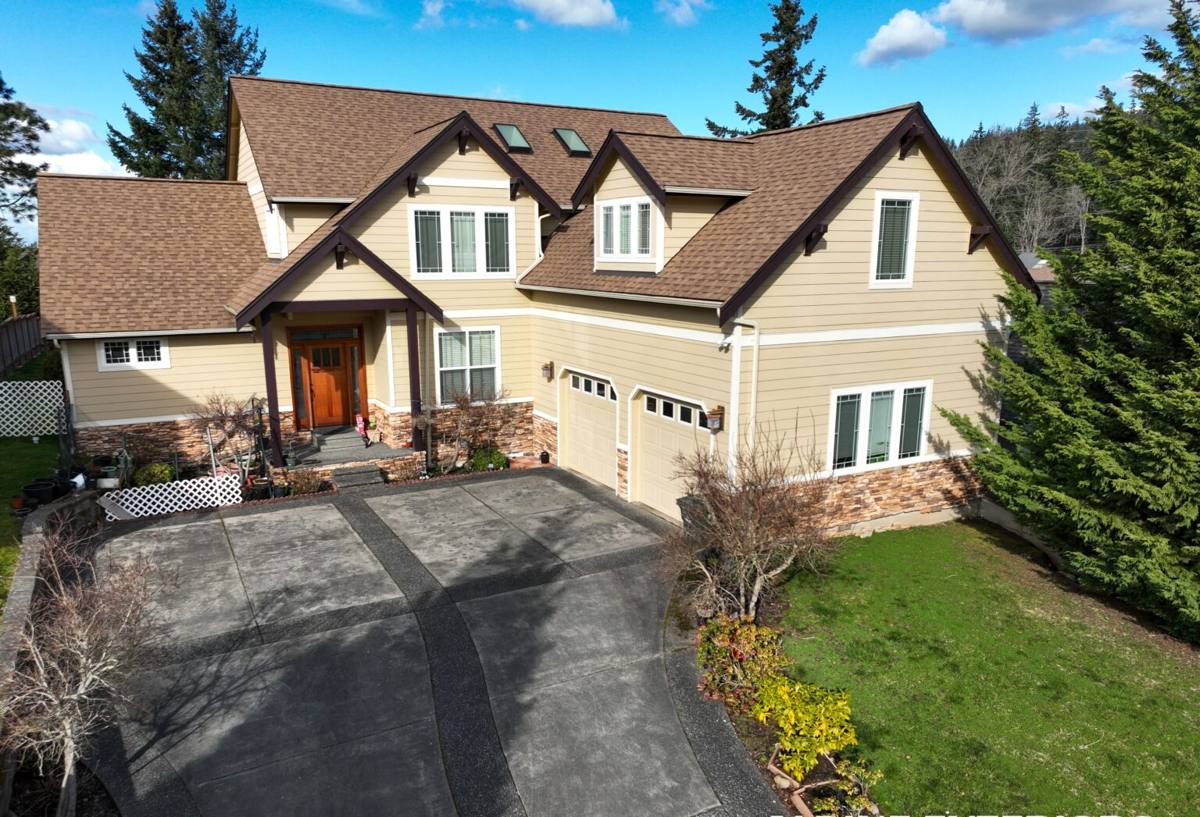
Common Roof Problems We See on Everson Homes
Most of the repair calls we get in this area fall into a handful of categories. Understanding which one you're dealing with helps set expectations for scope and cost before we even show up.
Moss and Organic Growth Damage
Moss thrives in the shaded, damp conditions common on Whatcom County roofs, especially on north-facing slopes and under tree cover. As it spreads, it lifts shingle tabs, traps moisture against the roofing material, and accelerates granule loss. Left alone long enough, moss root systems can work into the shingle mat itself, which turns a cleaning job into a repair job.
Wind and Rain-Driven Flashing Failures
Flashing around chimneys, skylights, vent pipes, and roof-to-wall transitions is the most common failure point on any roof, and driving rain makes marginal flashing fail faster. Wind-driven rain finds gaps that would never leak in a gentle shower, pushing water sideways and even slightly upward under lifted flashing edges.
Granule Loss and Shingle Aging
Salt-bearing air, combined with UV exposure and the abrasive effect of wind-blown grit, wears down the protective granule layer on asphalt shingles over time. Once granule loss is significant, the underlying asphalt is exposed to weather directly, and the shingle's remaining lifespan drops quickly.
Ice Dam and Cold-Snap Damage
Whatcom County doesn't see extreme winters, but the occasional hard freeze after a wet stretch can form ice dams at eaves, especially on roofs with marginal attic ventilation. Meltwater backs up under shingles and finds its way into the deck or the interior ceiling below.
What a Correct Roof Repair Actually Involves
A quality roof repair is more than swapping a handful of shingles and calling it done. Done right, it starts with a full diagnosis, not just a patch over the visible symptom.
- Locating the actual source of the leak or damage, which is often several feet from where water is showing up inside the house
- Inspecting the roof deck underneath the damaged area for soft spots, rot, or delamination
- Checking flashing, underlayment, and ventilation in the surrounding area, not just the failed spot itself
- Matching replacement materials as closely as possible in type, weight, and color
- Sealing and fastening to current manufacturer and code standards, not just "close enough"
- Verifying the repair against a hose test or careful visual check before calling the job complete
Skipping the diagnostic step is the single biggest reason repairs fail. A leak that shows up on a bedroom ceiling might trace back to a flashing gap ten feet upslope, and patching drywall or even patching the roof directly above the stain won't solve anything if the actual entry point goes untouched.
Our Repair Process, Start to Finish
We keep the process straightforward because roof repair shouldn't be a mystery to the homeowner paying for it.
1. On-Site Inspection
We walk the roof (weather permitting) and inspect from the interior where relevant — attic space, ceiling, and any visible staining — to trace the problem to its source rather than guessing from the ground.
2. Honest Scope and Estimate
We explain what we found, what needs to happen to fix it correctly, and what it will cost, in plain language. If a repair isn't the right call and replacement makes more sense, we'll tell you that too, and explain why.
3. The Repair Itself
Work is scheduled around Whatcom County's weather windows — we don't tear into a roof section during an active storm system. Materials are matched as closely as possible, and any underlying deck or underlayment issues we find get addressed as part of the job, not left for "next time."
4. Cleanup and Final Check
We clear debris, old material, and fasteners from the property, and do a final check of the repaired area before considering the job finished.
Repair or Replace? How We Help You Decide
Not every roof problem calls for a full replacement, and not every repair is money well spent. The right call depends on the roof's age, the extent of damage, and how many separate issues are stacking up.
| Factor | Leans Toward Repair | Leans Toward Replacement |
|---|---|---|
| Roof age | Under 15 years, or high-quality material with life left | Approaching or past expected lifespan for the material |
| Extent of damage | Isolated to one section or component | Spread across multiple slopes or repeat failures in different spots |
| Deck condition | Solid, dry decking under the damaged area | Soft, rotted, or delaminated decking found during inspection |
| Repair history | First or second repair on this roof | Third or more repair, or recurring leaks in the same general area |
| Granule loss / wear | Localized, surrounding shingles still sound | Widespread granule loss across most of the roof surface |
We'll walk you through where your roof falls on this spectrum rather than defaulting to the more expensive answer. A well-executed repair on a fundamentally sound roof is often the smarter financial move, and we'd rather earn a repeat customer than push a replacement that isn't needed yet.
Moss, Moisture, and Keeping a Repair From Becoming a Pattern
Given how much of our repair work in this area traces back to moss and standing moisture, prevention is worth as much attention as the repair itself. A repair without a plan for the conditions that caused the damage tends to need repeating.
- Keep overhanging branches trimmed back to reduce shade and debris buildup on the roof surface
- Clear gutters and downspouts before the fall rains start, so water isn't backing up at the eaves
- Have moss treated or removed before it spreads across a full slope, not after
- Check attic ventilation — poor airflow keeps the underside of the deck damp and encourages both moss and rot
- Walk the roofline visually from the ground a couple of times a year, watching for lifted shingles, dark streaking, or sagging
- Address small flashing gaps or lifted shingles promptly rather than waiting for an active leak
None of this requires climbing onto the roof yourself. Most of it can be checked from the ground or handled as part of a routine maintenance visit, and it goes a long way toward protecting whatever repair work has already been done.
Materials and What Drives Repair Cost
Roof repair costs vary based on several factors, and being upfront about them up front avoids surprises later.
| Cost Factor | Why It Matters |
|---|---|
| Roof pitch and accessibility | Steeper or harder-to-access roofs take longer and require more safety setup |
| Extent of deck repair needed | Rotted or soft decking found under damaged shingles adds material and labor |
| Material type and match | Matching an older roof's exact shingle color or profile can affect sourcing time and cost |
| Flashing complexity | Chimneys, skylights, and multiple roof valleys each add detail work |
| Scope of moss/organic damage | Cleaning and treating surrounding areas versus a single isolated patch |
Straightforward shingle and flashing repairs on an accessible roof tend to be a modest expense measured in a few hundred dollars. Repairs involving deck replacement, multiple problem areas, or difficult access run higher. We give you a real number for your specific roof before any work starts, not a vague range meant to get a foot in the door.
Why a Crew That Already Works Everson Matters
Roofing knowledge that's generic doesn't always transfer well to a specific region. A crew that works Whatcom County roofs regularly knows which shingle lines hold up to salt-influenced air, which flashing details tend to fail first under driving rain, and how aggressive moss growth gets in this particular mix of shade, moisture, and mild winters. That local pattern recognition shortens the diagnostic process and reduces the odds of a repair missing something that only shows up under this area's specific conditions.
It also means we're not guessing at scheduling around weather. We know which stretches of the year give reliable dry windows for repair work in Lynden, Everson, and the surrounding county, and we plan accordingly rather than promising a timeline that doesn't account for local rain patterns.
Get a Straight Answer on Your Roof
If you're dealing with a leak, visible moss, lifted shingles, or just want a second opinion on a roof that's starting to show its age, we're glad to take a look. Fill out the form below for a free, no-pressure estimate, and we'll give you an honest read on what your roof actually needs.