 Lynden Roofing
 Roofing in Everson: A Different Set of Demands
Everson sits in a part of Whatcom County where roofs rarely get a break. The marine-influenced air off the Sound region keeps humidity high year-round, driving rain comes in sideways during fall and winter storms, and the shoulder seasons hand you weeks of damp, low-sun days that are perfect for moss and algae to take hold. None of that is unusual for this corner of Washington, but it does mean a roof here works harder than the same roof would twenty miles inland or a few hundred feet higher in elevation. When we install a new roof for a home in Everson, we're not just matching a shingle color to a house — we're building an assembly that has to shed wind-driven rain, resist moss colonization, and stay ventilated through months of grey, wet weather without trapping moisture underneath.
That's the lens for everything on this page: what a new roof installation actually needs to include for a house in this specific climate, not a generic list that applies anywhere in the country.
Signs It's Time for Replacement, Not Another Repair
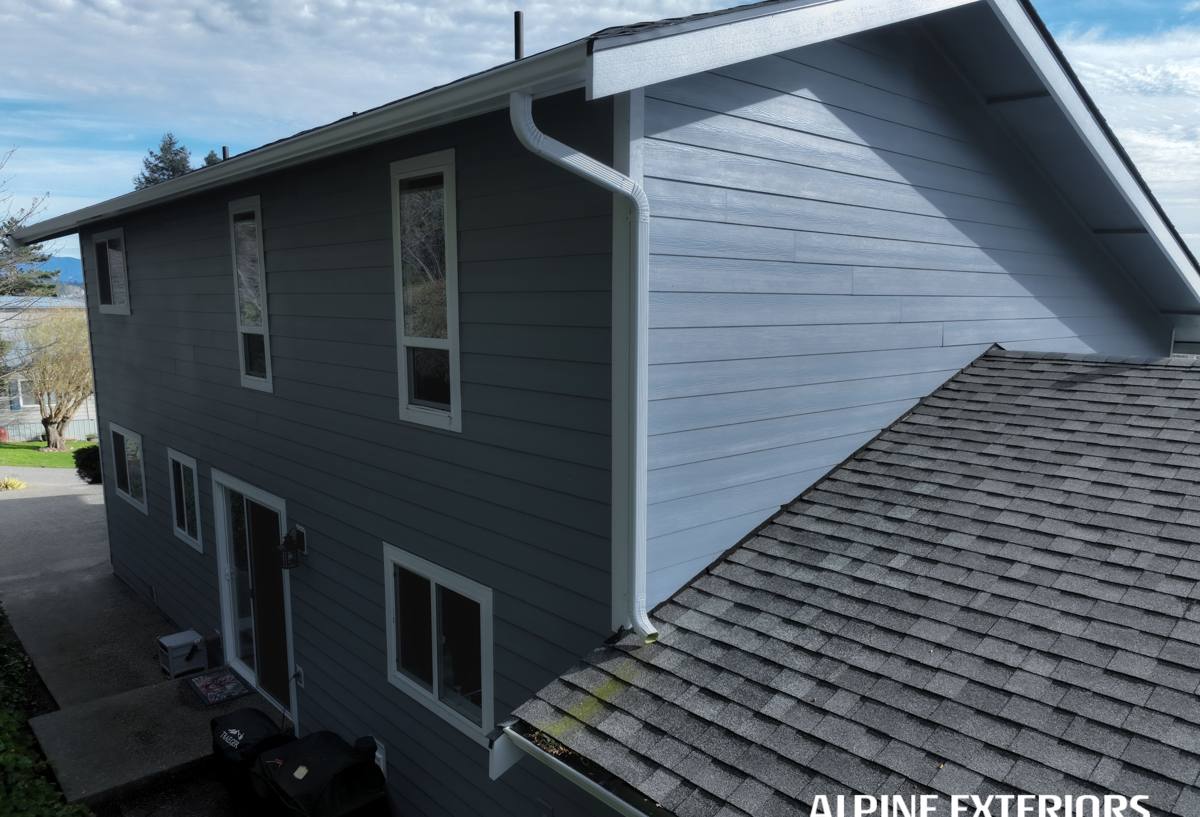
Most homeowners don't wake up planning a full roof replacement — they get there after a series of smaller signs add up. In our experience working on homes throughout Whatcom County, these are the indicators that patching is no longer the honest answer:
- Granule loss heavy enough that you're finding grit in gutters and downspout splash zones every season
- Shingles that are cupping, curling, or have gone brittle and crack when lifted
- Moss established at the ridge or in shaded valleys that keeps returning within a year of cleaning
- Soft or spongy decking felt underfoot in the attic, or daylight visible through the roof deck
- Recurring leaks at the same location despite prior repairs — usually a sign the underlying flashing or decking has failed, not just the surface material
- A roof at or past 20-25 years old for standard asphalt composition, especially with minimal past maintenance
If a roof is showing one or two of these signs and is otherwise sound, a targeted repair is often the right call and the honest recommendation. When several show up together, or the decking itself has taken on moisture damage, replacement stops being about aesthetics and becomes about protecting everything underneath it.
What a Correct New Roof Installation Actually Involves
A new roof is more than swapping old shingles for new ones. The parts of the system nobody sees from the ground are what determine whether the roof performs through fifteen years of Whatcom County winters or starts failing at year eight. A complete, correctly done installation includes:
Full Tear-Off and Deck Inspection
We remove the existing roofing down to the deck rather than layering over it. This lets us actually see the plywood or OSB underneath, replace any sections that have delaminated or soaked through, and confirm the deck is fastened properly before anything new goes down. Roofing over a compromised deck just hides the problem for another few years.
Underlayment Built for Wet Climates
Given how much driving rain this area sees, underlayment choice matters more here than in drier parts of the state. We use synthetic underlayment across the field for its tear resistance and water resistance, with self-adhering ice-and-water shield at vulnerable points — eaves, valleys, around chimneys and skylights, and anywhere wind-driven rain is most likely to find a gap.
Flashing Done Right
Flashing failures, not shingle failures, cause the majority of leaks we get called out for. New step flashing at walls and chimneys, new valley metal, and properly sealed penetrations for vents and pipes are non-negotiable parts of a new roof — not an upsell.
Balanced Ventilation
Intake at the soffits and exhaust at the ridge, sized to move air through the attic evenly. This keeps the underside of the deck dry, controls condensation in cold snaps, and helps the shingles themselves last longer by not baking from underneath in the rare hot stretch.
Comparing Roofing Materials for an Everson Home
Most homes in the area end up choosing between a few practical options. Here's how they stack up specifically against this climate's demands — persistent moisture, moss pressure, and driving rain:
| Material | Typical Lifespan | Moss/Moisture Resistance | Maintenance Needs |
|---|---|---|---|
| Architectural asphalt shingle | 25-30 years | Good, especially with zinc/copper strips at the ridge | Periodic moss treatment and gutter clearing |
| Standing seam metal | 40-50+ years | Excellent — sheds moisture fast, little surface for moss to grip | Low; occasional fastener and sealant checks |
| Cedar shake | 20-30 years with upkeep | Fair to poor without diligent maintenance | High — regular treatment against moss and rot in this climate |
| Synthetic/composite shingle | 30-50 years | Good to excellent depending on product line | Low to moderate |
Asphalt composition shingle remains the most common choice for good reason — it balances upfront cost, appearance, and performance well when installed correctly with the moss-resistant details noted below. Metal is a strong option for homeowners planning to stay long-term and wanting to minimize moss battles altogether. We don't push cedar shake as a default recommendation in this specific climate; it can look excellent, but it demands a level of ongoing maintenance that many homeowners underestimate given how much moisture this area holds onto through the year, and we'd rather set that expectation honestly upfront than sell a product that becomes a maintenance burden later.
Our Installation Process, Step by Step
- On-site inspection and estimate. We look at the existing roof, attic ventilation, and any trouble spots before quoting anything.
- Material selection. We walk through options based on your home, budget, and how long you plan to stay in it.
- Scheduling around weather windows. We plan installs to avoid active rain systems where possible and stage materials to keep the deck covered if weather shifts mid-project.
- Tear-off and deck repair. Old materials removed, deck inspected and repaired as needed.
- Underlayment, flashing, and ventilation installed. The parts that determine long-term performance.
- New roofing installed to manufacturer spec. Correct nailing pattern, exposure, and fastening for wind resistance.
- Cleanup and magnetic sweep. Job site and yard cleared of debris and stray fasteners.
- Final walkthrough. We review the finished roof with you before calling the job done.
Fighting Moss Before It Starts
Given how long the moss season runs here, prevention built into the installation matters more than any after-the-fact treatment. A few details go a long way over the life of the roof:
Zinc or copper strips installed near the ridge release trace amounts of metal ions with every rain, which discourages moss and algae growth on the shingle field below without any ongoing homeowner effort. We also make sure valleys and shaded north-facing slopes — the areas that stay damp longest and grow moss first — are detailed with extra care during flashing work, since these are the spots where trapped moisture does the most damage over time. Keeping trees trimmed back from the roofline to let sun and air reach the surface helps too, and it's worth doing regardless of which material you choose.
Permits, Timeline, and What to Expect
Most residential new roof installations in this area take one to three days depending on roof size and complexity, weather permitting. Whatcom County and local jurisdictions typically require a permit for full roof replacement — we handle that paperwork as part of the job so you're not chasing it down yourself. Before we start, here's what a homeowner should reasonably expect and can use as a checklist when evaluating any roofing bid, ours included:
- A written estimate that itemizes materials, labor, and disposal — not a single lump number
- Confirmation of licensing, bonding, and insurance you can verify independently
- A clear plan for tear-off disposal and site protection for landscaping and driveways
- Manufacturer warranty terms explained, including what workmanship warranty is offered separately
- A defined start date and realistic timeline, with a plan for weather delays
- A single point of contact you can reach with questions during the job
Why a Crew That Already Works in Everson Matters
Roofing crews unfamiliar with this specific stretch of Whatcom County sometimes default to specs and details built for drier regions — lighter underlayment, standard ventilation without accounting for the extended damp season, or moss-prone material choices without flagging the tradeoff. A crew that regularly works in and around Lynden and Everson knows which details actually matter here: where moss tends to establish first on a given roof orientation, how much ice-and-water shield is worth the extra material cost at the eaves, and how to schedule around this area's weather patterns instead of fighting them. That local familiarity shows up less in the sales pitch and more in how the roof performs five and ten years out.
Get a Straightforward Estimate
If you're weighing repair versus replacement, or you know it's time for a new roof and want a clear look at your options, we're happy to come out, inspect the roof, and give you a straightforward estimate — no pressure, no inflated scare tactics. Use the form below to get started.