 Lynden Roofing
 Why Everson Windows Work Harder Than the Brochure Admits
A window that looks fine in a showroom in Seattle or Spokane doesn't automatically hold up on a farmhouse or rambler outside Everson. This part of Whatcom County sits under a wet, wind-driven maritime climate for most of the year, and the moisture doesn't let up just because a house is a few miles inland from the water. Driving rain gets pushed sideways into siding and window openings during winter storms, salt-tinged air moves through on Puget Sound weather systems, and a long, gray moss season keeps roofs, trim, and sills damp for months at a stretch.
Windows are one of the first places that damp climate shows up. Seals fail early, wood sills soak up moisture and soften, and aluminum-framed windows from decades past conduct cold straight through, fogging the glass every winter morning. None of this is a defect in any one product — it's just what happens when a window isn't matched, installed, and flashed for the conditions it actually has to live in. A custom window job for an Everson home has to account for all of that, not just fill a hole in the wall with something new.
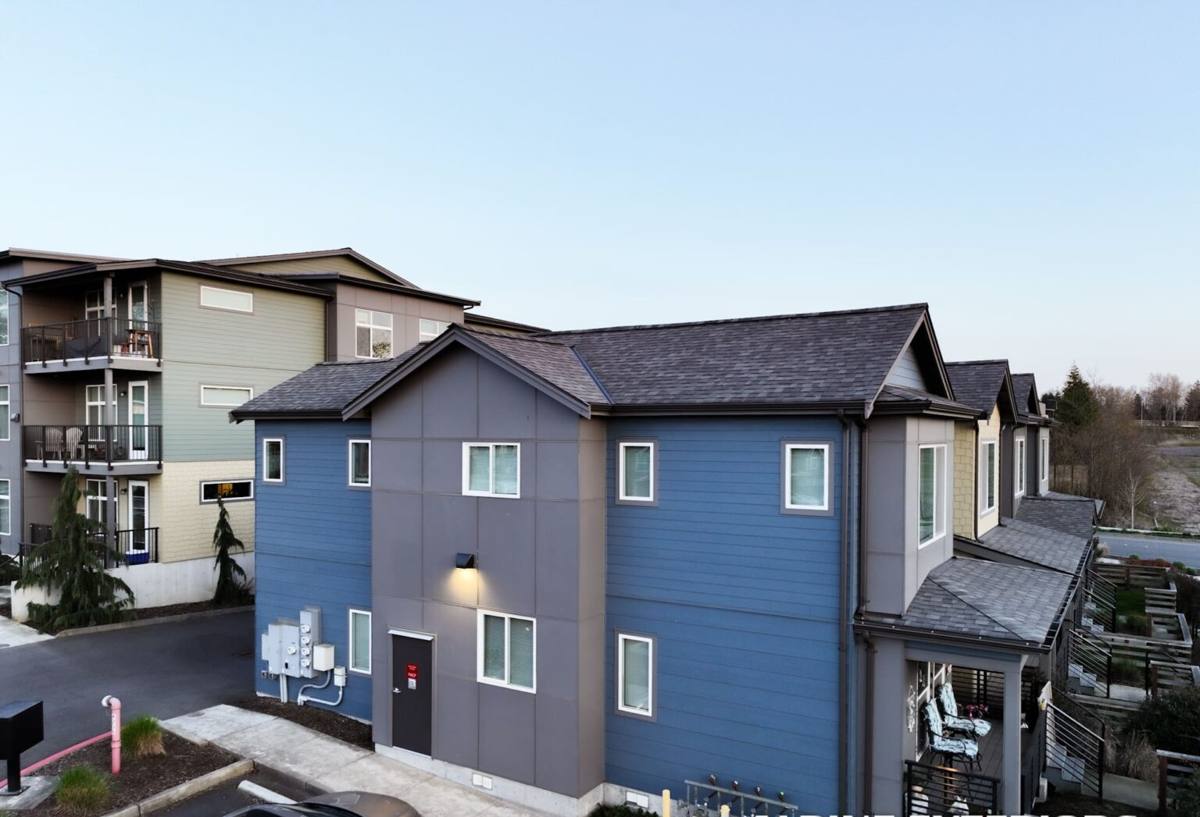
What "Custom" Actually Means for This Area
"Custom" doesn't mean expensive or unusual — it means the window is built and installed to fit the actual opening and the actual house, instead of forcing a stock size to work. That distinction matters a lot around Everson and Lynden, where you'll find everything from older farmhouses with settled, slightly out-of-square openings to newer construction with standard rough openings that still need to be sealed correctly for this climate.
Measuring for Older, Settled Openings
Older homes in this area have often shifted a little over the decades — foundations settle, framing dries and moves, and an opening that was square when the house was built may not be square now. Custom sizing means measuring the actual opening as it exists today, at multiple points, rather than assuming a stock size will drop in cleanly. Forcing an ill-fitting window into a slightly out-of-square opening is one of the most common causes of early air and water leaks.
Matching Trim, Siding, and the House's Character
A window replacement also has to work with what's already there — matching exterior trim profiles, interior casing, and the general style of the house, whether that's a farmhouse look common on rural Everson properties or a more modern build closer to Lynden. Getting this wrong is a cosmetic problem that's expensive to fix later; getting it right the first time is part of what "custom" is paying for.
Problems We Commonly Find on Local Window Inspections
When we look at older windows on homes around Everson and Lynden, the same handful of issues show up again and again:
- Fogging or a hazy film trapped between panes — a sign the seal on a double-pane unit has failed and the gas fill has escaped
- Soft, discolored, or spongy wood at the sill or lower frame from years of standing moisture
- Noticeable drafts near the frame, especially on older aluminum or early vinyl windows
- Moss or dark staining on exterior sills and trim, a sign that water is sitting rather than draining away
- Windows that stick, won't stay open, or are hard to lock — often from swelling, warping, or worn hardware
- Heavy interior condensation in winter, which points to poor insulation or a failing seal, not just "normal" humidity
Any one of these can usually be patched. Several together, especially on a window more than 20 years old, usually mean it's more cost-effective to replace than to keep repairing.
Frame Materials That Make Sense for Whatcom County Moisture
There's no single "best" frame material for every home — it depends on budget, style, and how much upkeep you're willing to do. In a climate with this much rain and humidity, though, moisture resistance and maintenance load should carry real weight in the decision, not just upfront price.
| Frame Material | Moisture Resistance | Maintenance | Typical Lifespan |
|---|---|---|---|
| Vinyl | Very good — won't rot, resists swelling | Low — occasional cleaning | 20–30+ years |
| Fiberglass | Excellent — very stable in wet/cold swings | Low | 30–40+ years |
| Wood (unclad) | Poor without diligent upkeep | High — regular painting/sealing | Varies widely with maintenance |
| Wood-Clad / Composite | Good — exterior shell protects the wood core | Moderate | 25–35 years |
| Aluminum | Fair — prone to condensation and cold transfer | Low | 20–25 years, less common in new installs here |
We won't tell you unclad wood windows are a bad product — many homeowners love the look and are willing to keep up with the painting and sealing they require. What we will say is our professional standard: on this side of the mountains, we steer clients toward materials that don't depend on perfect year-round maintenance to stay watertight, because a missed season of upkeep here does more damage than it would in a drier climate.
Glass Packages That Actually Matter in This Climate
Manufacturers offer a long list of glass upgrades, and not all of them are worth paying extra for on every project. A few genuinely matter for a house dealing with regular rain, temperature swings, and long damp stretches:
Double vs. triple pane: Double-pane with a quality Low-E coating and argon gas fill is the standard, solid choice for most homes in this area and performs well against both heat loss and condensation. Triple-pane adds another layer of insulation and can help on north-facing rooms or homes that run cold, but it adds weight and cost — worth discussing room by room rather than assuming every window needs it.
Low-E coatings: These microscopically thin coatings reflect heat back into the room in winter and block excess solar heat in summer. In a climate where heating bills matter more than air conditioning, Low-E glass earns its keep.
Seal quality and warranty: Honestly, in this climate the seal between the panes matters more than which exotic glass coating you choose. A failed seal is what causes that permanent fog between panes, and it's almost always a manufacturing or installation defect rather than a glass technology problem. We pay close attention to the seal warranty terms on any unit we install for exactly this reason.
How Our Installation Process Works
The window itself is only part of the job. How it goes into the wall determines whether it performs for twenty years or starts leaking in three. Our process on a typical Everson or Lynden home looks like this:
- On-site assessment and precise measurement of each opening, including checking for square and level
- Reviewing frame material, glass package, and style options based on the home and your priorities
- Careful removal of the old window, with the opening inspected for hidden rot or water damage before anything new goes in
- Repair of any damaged sheathing or framing found during removal — this step gets skipped by less careful crews and causes problems later
- Installation of proper flashing to direct water away from the opening
- Setting the new window plumb, level, and square, then securing it per manufacturer specifications
- Insulating the gap around the frame correctly — enough to stop drafts without overfilling in a way that bows the frame
- Sealing the exterior with the right sealant in the right locations, not just a bead of caulk around the whole perimeter
- Finishing interior trim and casing to match the rest of the room
- A final walkthrough to check operation, locks, and appearance before we call the job done
Flashing and Moisture Management: The Part You Don't See
If there's one thing that separates a window installation that lasts from one that fails early in this climate, it's the flashing and water management around the opening — not the window brand. A window can be excellent and still leak if it's set into an opening without a proper flashing pan, without integration into the house wrap, or without weep paths for water to escape instead of pooling.
This is invisible once the trim goes back on, which is exactly why it's the step that gets rushed by installers trying to move fast. In a region with this much driving rain and a moss season that keeps surfaces damp for weeks, water finds any gap in that system eventually. We treat flashing and sealing as the part of the job that actually determines whether you'll be dealing with a rot problem behind the wall five years from now.
Signs It's Time to Replace, Not Just Repair
Not every window problem means full replacement — sometimes a reglaze, new weatherstripping, or hardware repair solves it. Use this as a general gut check before deciding:
- Glass is permanently fogged or cloudy between panes (seal failure — cannot be cleaned)
- Frame wood is soft, crumbling, or visibly rotted, especially at the sill
- You can feel air movement around the frame with the window fully closed and locked
- The window won't stay open on its own or is difficult to lock securely
- Exterior trim shows persistent moss, mildew staining, or paint that won't hold
- Your heating costs have climbed noticeably without other explanation
- The home still has original single-pane or early aluminum windows
If you're only seeing one or two of these on an otherwise sound, newer window, repair is often the right call. Multiple items on an older window usually mean replacement will cost less over time than continuing to patch it.
What Affects the Cost of a Custom Window Project
Every home is different, so we don't quote sight-unseen — but these are the factors that move the price up or down on most jobs in this area:
| Factor | Why It Matters |
|---|---|
| Number of windows | Per-unit cost typically drops on larger, whole-house projects |
| Frame material | Vinyl is generally the most budget-friendly; fiberglass and wood-clad cost more upfront but resist moisture longer |
| Glass package | Triple-pane and specialty coatings add cost over standard Low-E double-pane |
| Opening condition | Rot repair or reframing discovered during removal adds labor and material |
| Size and shape | Oversized, custom-shaped, or hard-to-reach openings (second story, tight access) take more time |
| Trim and siding work | Matching or repairing exterior trim and siding around the new window adds to the scope |
Because of that last factor especially, most custom window projects run somewhere between a few hundred and a few thousand dollars per window installed, depending on all of the above. An accurate number only comes from seeing the actual openings, which is why we walk the house before quoting anything firm.
Why Hiring a Crew That Already Works Everson and Lynden Matters
A window crew that regularly works this specific area already knows what's common in the housing stock here — the mix of older farm properties, the typical framing quirks that show up in homes of a certain era, and how the region's rain and moss season actually behave against a wall over a full year, not just during a sales visit on a dry day. That local familiarity shows up in small decisions during the job: how much attention flashing gets, which materials get recommended for a shaded, damp-prone side of the house, and how trim gets matched to what's already there.
It also matters after the job is done. A crew based in and around Whatcom County can get back out to your property quickly if a question comes up after the first hard rain of the season, rather than treating the installation as a one-time transaction. For a project that's meant to last two or three decades in a climate that doesn't go easy on building materials, that ongoing accountability is worth as much as anything on the spec sheet.
If you're weighing whether your Everson or Lynden home's windows need attention, we're happy to come take a look, walk you through honest options for your specific house, and put together a free, no-pressure estimate — no obligation to move forward. Use the form below to get started.