 Lynden Roofing
 Deck Repair Built for Custer's Coastal-Edge Climate
Custer sits close enough to the water that homes here deal with a different mix of weather than decks further inland in Whatcom County. You get salt-tinged air rolling off the Strait, long stretches of driving rain through fall and winter, and a moss season that can run eight months or more if a deck sits in any shade. None of that is unusual for this part of Washington, but it does mean a deck built or repaired without those conditions in mind will show problems years before it should.
We work decks throughout the Lynden area regularly, and Custer's low-lying, tree-shaded lots and proximity to Birch Bay put local decks in a tougher spot than a typical inland yard. This page walks through what actually goes wrong with decks out here, what a correct repair looks like, and how we approach the work so it holds up through the next few decades of Whatcom County weather, not just the next dry summer.
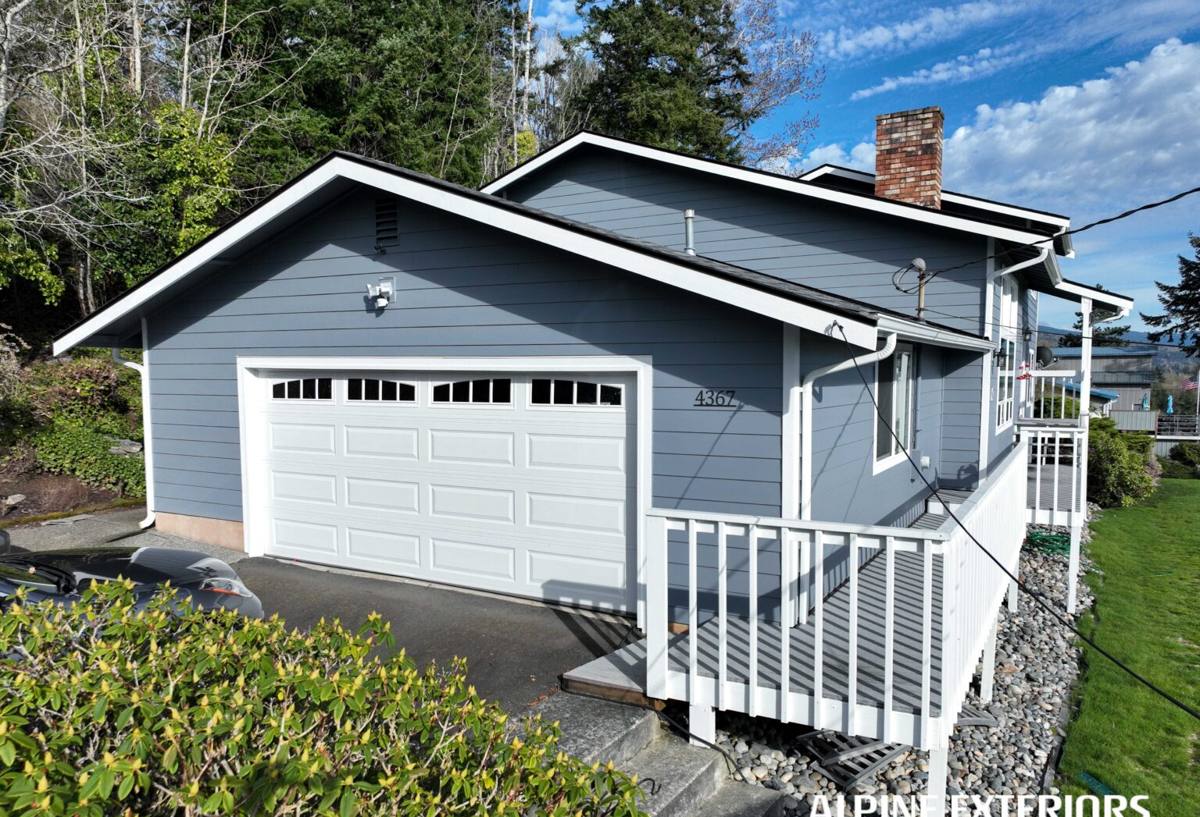
Why Decks Fail Faster Near Custer
Salt Air and Metal Fasteners
Airborne salt from the Strait of Georgia and Birch Bay doesn't stay at the shoreline — it travels inland on wind and settles on anything exposed, including deck hardware. Standard fasteners, joist hangers, and structural screws corrode faster under that exposure. Once a fastener starts rusting, it loses holding strength long before it looks obviously bad, which is part of why deck failures out here are often more about the hardware than the boards.
Driving Rain and Water Intrusion
Whatcom County rain doesn't just fall straight down — wind-driven rain gets pushed sideways into ledger connections, stair stringers, and any spot where boards meet a wall or post. Water that gets behind flashing or into an unsealed ledger board can sit there for weeks without ever being visible from the surface, which is exactly how rot gets a head start.
Moss, Shade, and Trapped Moisture
Custer's tree cover keeps a lot of decks shaded for large parts of the day, and shaded wood dries slower after every rain. Moss and algae take hold on boards that stay damp, and once established they hold even more moisture against the wood surface. Left alone, that combination turns a cosmetic nuisance into soft, spongy decking within a few seasons.
Signs a Deck Needs Repair — And What They Actually Mean
Most homeowners call us after noticing one of a handful of warning signs. Here's what each one usually points to:
- Soft or spongy decking: usually means moisture has been sitting in the board or the framing underneath long enough to start breaking down the wood fibers.
- Rust streaks around screws or nails: the fastener is corroding, and corroded fasteners lose grip strength well before they visibly fail.
- Deck feels bouncy or moves when walked on: often a sign of a weakening ledger connection, undersized or failing joists, or posts that have shifted.
- Gaps opening between deck and house siding: can indicate the ledger board attachment is loosening — a structural concern, not just a cosmetic one.
- Green or black staining on the underside of the deck: moss and mildew growth that signals persistent damp conditions and poor airflow underneath.
- Railings that wiggle or posts that flex: a safety issue first, and often a sign the post base or blocking has rotted.
Some of these are simple board-level fixes. Others point to problems in the framing that won't show up until you get underneath the deck and actually test the wood.
Repair vs. Replacement — How We Make the Call
Not every deck problem means starting over, and we don't default to recommending a full rebuild just because it's a bigger job. The honest answer usually comes down to what's happening below the surface boards.
| Condition | Usually Repairable | Usually Needs Replacement |
|---|---|---|
| Surface boards | A handful of cracked, warped, or splintering boards | Widespread soft spots across most of the deck surface |
| Framing (joists/beams) | Isolated rot at one joist end or a single connection point | Rot found at multiple joists or the main support beam |
| Ledger board | Flashing failure caught early with sound wood underneath | Ledger wood itself has softened or separated from the house |
| Posts and footings | Post base hardware corroded but post and footing solid | Footing has settled, cracked, or post has rotted at grade |
| Railings | Loose balusters or a damaged section of rail | System-wide looseness suggesting failed post connections |
The only reliable way to tell which category a deck falls into is a hands-on inspection — probing suspect wood with an awl, checking moisture content, and getting underneath to look at the framing directly. We'll always tell you plainly if a "repair" would just be patching over a bigger problem that's going to resurface.
What a Correct Deck Repair Actually Involves
Diagnosing Beyond the Surface
A repair that only replaces what's visible from the top misses the point. We check ledger attachment, joist condition, post bases, and fastener corrosion as part of any repair scope — not just the boards the homeowner called about.
Matching or Upgrading Materials
Where we tie new lumber into old framing, we match dimensional lumber to the existing structure so loads transfer the way the deck was originally engineered. Where fasteners are the failure point, we upgrade to corrosion-resistant hardware rated for the exposure this area sees, rather than replacing like-for-like with the same fasteners that failed.
Flashing and Water Management
Any repair touching a ledger board is a chance to correct flashing that was installed poorly or has failed over time. Getting water managed away from the house connection is often the single biggest factor in whether a deck lasts another 20 years or rots again in five.
Airflow Underneath
Where a deck sits low to the ground or has landscaping crowding the underside, poor airflow keeps framing damp long after a storm passes. Where it's practical, we address grading, vegetation clearance, or ventilation gaps as part of the repair — not as an upsell, but because it directly affects how long the repair holds.
Our Deck Repair Process
- On-site inspection: we walk the full deck, probe suspect areas, and get underneath to check framing, posts, and connections.
- Written scope and honest recommendation: you get a clear explanation of what's failing, what's still sound, and whether repair or replacement makes sense — no pressure toward the bigger job.
- Material and fastener selection: matched to the existing structure and upgraded where corrosion or moisture exposure calls for it.
- Structural work first: framing, ledger, and post repairs happen before any cosmetic surface work, since a solid deck surface on a weak frame doesn't solve anything.
- Surface and railing work: board replacement, railing repair, and finish work completed once the structure underneath is confirmed sound.
- Final walk-through: we check the repaired areas with you and explain any maintenance steps worth doing going forward.
What Affects the Cost of a Deck Repair
| Factor | Why It Matters |
|---|---|
| Extent of rot found in framing | Surface-only repairs cost far less than jobs requiring joist or beam replacement |
| Access to the ledger and framing | Decks low to the ground or built over hardscape take longer to access and repair |
| Fastener and hardware condition | Widespread corrosion means more hardware replacement, not just spot fixes |
| Decking material | Matching existing wood or composite boards affects material cost and lead time |
| Railing and code compliance | Older railings that don't meet current height or spacing standards add scope |
| Size of the affected area | A single bad section costs less than repairs spread across the whole deck |
We don't quote a number until we've actually seen the deck — anyone who gives a firm price over the phone for a repair like this is guessing. What we can tell you upfront is that catching rot or fastener corrosion early, before it spreads into the main framing, almost always keeps the job smaller and cheaper.
Protecting a Repaired Deck From Whatcom County Weather
A repair is only as good as what happens to the deck afterward. A few habits make a real difference in how long repaired areas — and the rest of the deck — hold up:
- Clear leaves, needles, and debris from between boards regularly, especially through fall when Custer's tree cover sheds heavily.
- Keep an eye on moss growth in shaded areas and remove it before it establishes — it's far easier to prevent than to reverse.
- Check and refresh sealant or finish on wood decking on a regular schedule rather than waiting until it visibly fails.
- Trim back vegetation crowding the deck's underside or edges to keep airflow moving.
- Inspect fasteners and hardware yearly for early rust staining, especially on decks closer to the water.
- Make sure gutters and downspouts near the deck are directing water away, not onto or under the structure.
Why a Lynden-Based Crew Matters for a Custer Repair
Deck repair isn't a one-size-fits-all trade. A crew that mostly works dry-climate builds will miss the water-management and corrosion details that matter most out here. Because we work this stretch of Whatcom County regularly — Lynden, Custer, and the surrounding communities — we've seen how the local mix of salt air, rain exposure, and shade patterns plays out on decks over time, and we build and repair accordingly rather than applying a generic checklist.
Being local also means we're not driving in from out of the area for a follow-up if something needs a second look, and we're familiar with the permitting expectations Whatcom County applies to structural deck work, including railing height and guard spacing requirements on repairs that touch the rail system.
Get an Honest Look at Your Deck
If your Custer deck has soft spots, rusting hardware, a wobbly rail, or just feels like it's past its prime, we're glad to come take a look. We'll give you a straight assessment of what's actually going on and what it would take to fix it right — no pressure, no inflated scope. Reach out using the form below to schedule a free estimate.