 Lynden Roofing
 Building Decks That Hold Up in Laurel's Coastal-Influenced Climate
Laurel sits in the part of Whatcom County where marine air off the Salish Sea, frequent rain, and long gray stretches of low sun combine to make outdoor structures work harder than they would inland. A deck here isn't just furniture for the backyard — it's a structure that spends most of the year wet, shaded part of the day, and exposed to salt-laden air that speeds up corrosion on anything metal. Homes around Lynden and out toward Laurel see this play out in the same predictable ways: fasteners rusting before the wood around them even shows wear, moss colonizing north-facing boards within a season or two, and joints that were never properly flashed slowly rotting from the inside where nobody looks until a board finally gives.
None of that is unusual or a sign of bad luck. It's just what this climate does to a deck that wasn't built with it in mind. The good news is that every one of those failure points has a known fix — the right fastener, the right gap, the right flashing detail — and none of it costs much more than doing it the generic way. It just has to be done on purpose.
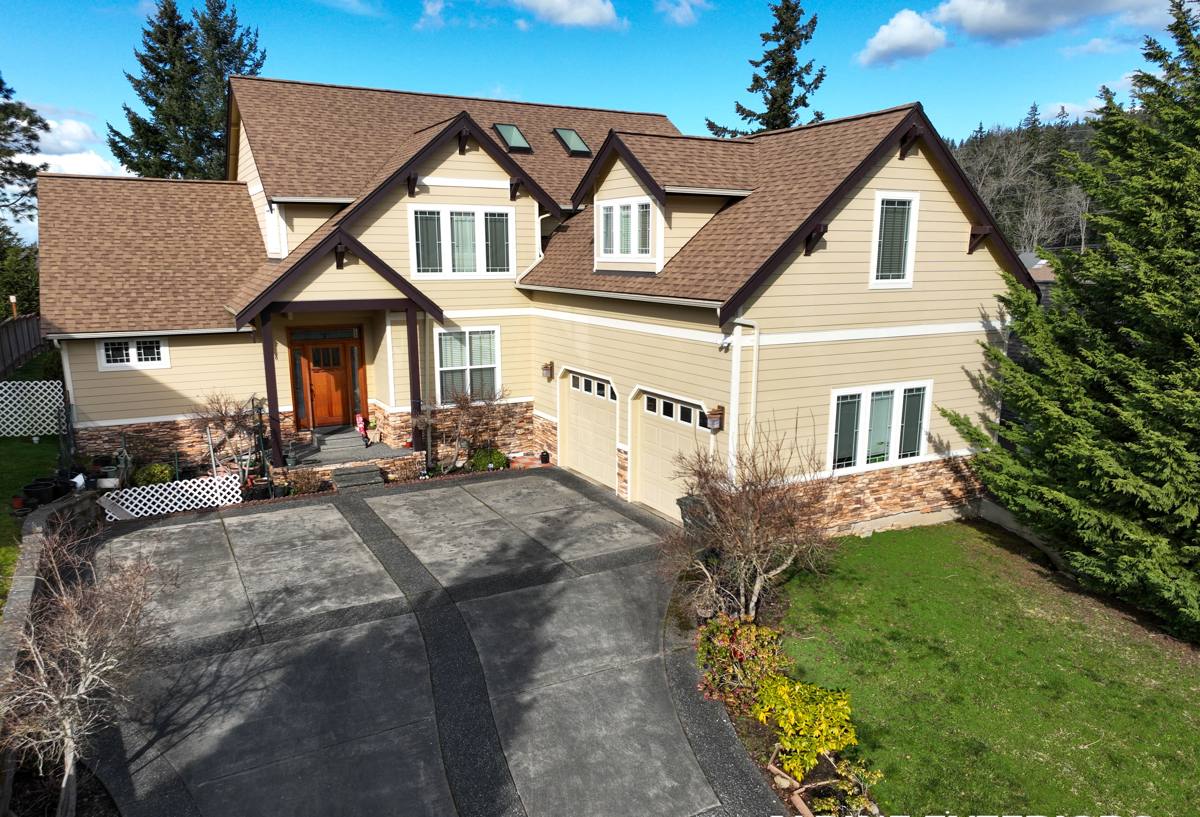
What a Deck in Laurel Actually Needs
Before talking about boards and railings, it helps to be clear about what the climate is actually asking of the structure:
- Fasteners and hardware that resist corrosion from salt-influenced air, not just standard exterior-rated screws
- A ledger board connection that's properly flashed so water can't track back into the house rim joist
- Decking gaps sized to let boards dry out between rain events instead of staying saturated
- Enough airflow underneath the deck to keep the framing from staying damp long after a storm passes
- A surface material and finish that won't turn slick with moss and algae by the second winter
A deck that checks all five of those boxes will still need normal maintenance over the years, but it won't develop the early, avoidable problems that show up on decks built to a lowest-cost spec.
Where "Standard" Decks Cut Corners
Most deck failures we're called out to look at in this area aren't dramatic — they're slow. A ledger board that was face-nailed instead of properly flashed and bolted. Deck screws that were exterior-rated but not rated for the fastener corrosion class the lumber actually calls for. Joists spaced fine on paper but with no ventilation gap at the house, so moisture just sits there. Individually these look like minor shortcuts. Combined, they're the reason a deck that should last 20-plus years starts needing structural repairs at year eight or nine.
Decking Material Options for Whatcom County Weather
There's no single "best" decking material — there's a best material for a given budget, maintenance appetite, and how much direct weather exposure the deck actually gets. Here's how the common options actually perform in a climate with this much rain and moss pressure:
| Material | How it handles rain & moss | Maintenance | Typical lifespan here |
|---|---|---|---|
| Pressure-treated pine | Sheds water fine if gapped correctly; needs sealing to resist moss staining | Annual cleaning, re-seal every 2-3 years | 15-20 years with upkeep |
| Western red cedar | Naturally rot- and insect-resistant; still needs finish to prevent graying and moss growth | Cleaning plus re-oil or re-stain every 2-3 years | 20-25 years with upkeep |
| Composite decking | Doesn't rot or absorb water; textured composites resist moss better than smooth ones | Periodic washing, no sealing or staining | 25-30+ years, manufacturer-warrantied |
| PVC decking | Fully synthetic, no organic material for moss to root into | Lowest maintenance of the group | 25-30+ years, manufacturer-warrantied |
Composite and PVC cost more up front but make sense for homeowners who don't want a recurring sealing schedule, especially on decks that sit in shade for part of the day where moss pressure is worst. Wood costs less initially and still performs well here — it just requires someone to actually keep up with the maintenance schedule. We'll walk through the honest trade-offs for your specific site rather than push one material across the board.
Framing and Structure: Where Decks Actually Fail First
The decking surface is what you see, but the framing underneath is what determines whether the deck is safe and how long it lasts. In a climate this wet, three details matter more than they would somewhere drier:
Ledger Flashing
Where the deck attaches to the house, water has to be directed away from the rim joist, not trapped against it. That means proper flashing — not just caulk — behind and over the ledger board, with the house's existing siding or water-resistive barrier lapped correctly over the top. This is the single most common point of hidden rot on decks in this region, because a failure here doesn't show up on the surface for years.
Fastener Selection
Salt-influenced air corrodes standard fasteners faster than the wood around them wears out, especially on decks with any exposure to prevailing coastal winds. We use fasteners and structural hardware rated for the corrosion resistance the lumber and connector manufacturers actually specify — not just "exterior-rated," but matched to the treatment chemicals in the lumber itself, since the wrong pairing accelerates corrosion in both directions.
Footings and Frost
Footing depth has to meet the frost line requirement for this area, and undersized or shallow footings are one of the few things that can't be fixed later without tearing the deck apart. This is decided at the permit and inspection stage, not left to guesswork.
Moss, Drainage, and Airflow
Moss doesn't damage a deck directly — it's a symptom of moisture that isn't draining or drying fast enough, and it becomes a real safety issue when it makes stairs and walking surfaces slick. Three things control how much moss pressure a deck sees:
- Board spacing — gaps sized correctly let water drain through and boards dry between storms instead of holding surface moisture
- Sun exposure — north-facing decks and areas shaded by trees or the house will always fight moss harder than sun-exposed sections; we plan finish and material choices around this rather than pretending it's not a factor
- Under-deck ventilation — skirting without vents traps humid air underneath, keeping the framing damp long after the surface looks dry
None of this eliminates the need for periodic cleaning, but a deck designed with drainage and airflow in mind needs a fraction of the moss removal work that a poorly ventilated one does.
Our Deck Building Process
We keep the process straightforward and the same for every deck we build in the Laurel area, regardless of size:
- On-site assessment of the yard, sun exposure, drainage patterns, and how the deck will attach to the house
- Material and layout discussion with honest pros and cons for your budget and maintenance preference
- Permit submission and structural plan sized correctly for footing depth and span requirements
- Footings, framing, and ledger flashing installed to the standard the climate actually requires
- Decking, railings, and stairs installed with corrosion-appropriate fasteners throughout
- Final walkthrough covering care and cleaning so the deck actually reaches its expected lifespan
Permits and Local Requirements
Most new decks and any deck over a certain height or size require a building permit and inspection in Whatcom County, and that inspection process exists specifically to catch the footing depth, ledger attachment, and guardrail details that matter most for long-term safety. We handle the permit submission and coordinate inspections as part of the job, so you're not left figuring out county requirements on your own. Skipping the permit step on a deck attached to the house isn't a shortcut worth taking — it can complicate insurance claims and home sales down the road.
What Affects the Cost of a Laurel Deck Project
| Factor | Why it matters |
|---|---|
| Decking material | Composite and PVC cost more upfront than wood but reduce long-term maintenance spend |
| Deck height and footing count | Taller decks and larger footprints require more footings and structural engineering |
| Ledger vs. free-standing design | Free-standing decks avoid ledger flashing work but need their own full footing system |
| Railing style | Cable, glass, and composite railing systems cost more than standard wood or metal balusters |
| Site access and grade | Sloped yards or limited equipment access can add labor time |
We give straightforward, itemized estimates so you can see exactly where the budget is going and where there's room to adjust without compromising the parts of the build that affect safety and longevity.
Why Hire a Crew That Already Works Laurel
A deck built to a generic spec sheet can look fine on installation day and still fail early in a climate like this one. The difference shows up years later, in the fasteners that haven't rusted, the ledger connection that hasn't let water into the rim joist, and the boards that dry out between storms instead of growing moss every winter. Crews that work Laurel and the greater Lynden area regularly already know which details the local climate punishes and build for them by default, instead of learning it the hard way on your project.
If you're planning a new deck or replacing an aging one, we're happy to walk the site with you and put together a free, no-pressure estimate — just fill out the form below.