 Lynden Roofing
 Windows Built for Ferndale's Weather, Not Just Its Style
Ferndale sits close enough to the water that salt air is a real factor in how long a window lasts, not just a talking point. Add in the driving, sideways rain that comes through Whatcom County for months at a stretch, plus a moss and mildew season that seems to start earlier every year, and you've got a climate that's genuinely hard on window frames, seals, and sills. A window that would hold up fine in a drier inland climate can start failing here in half the time if it wasn't chosen or installed with this exposure in mind.
We're a Lynden-based crew that works Ferndale regularly, and custom windows are one of the services we get called out for most — usually after a homeowner notices fogging between the panes, a drafty room, or soft wood starting to show around an old frame. This page covers what actually matters when you're replacing or upgrading windows on a Ferndale home: what the climate does to windows over time, what a correct installation looks like, and how to choose a window that's actually suited to where you live instead of just what's cheapest at the box store.
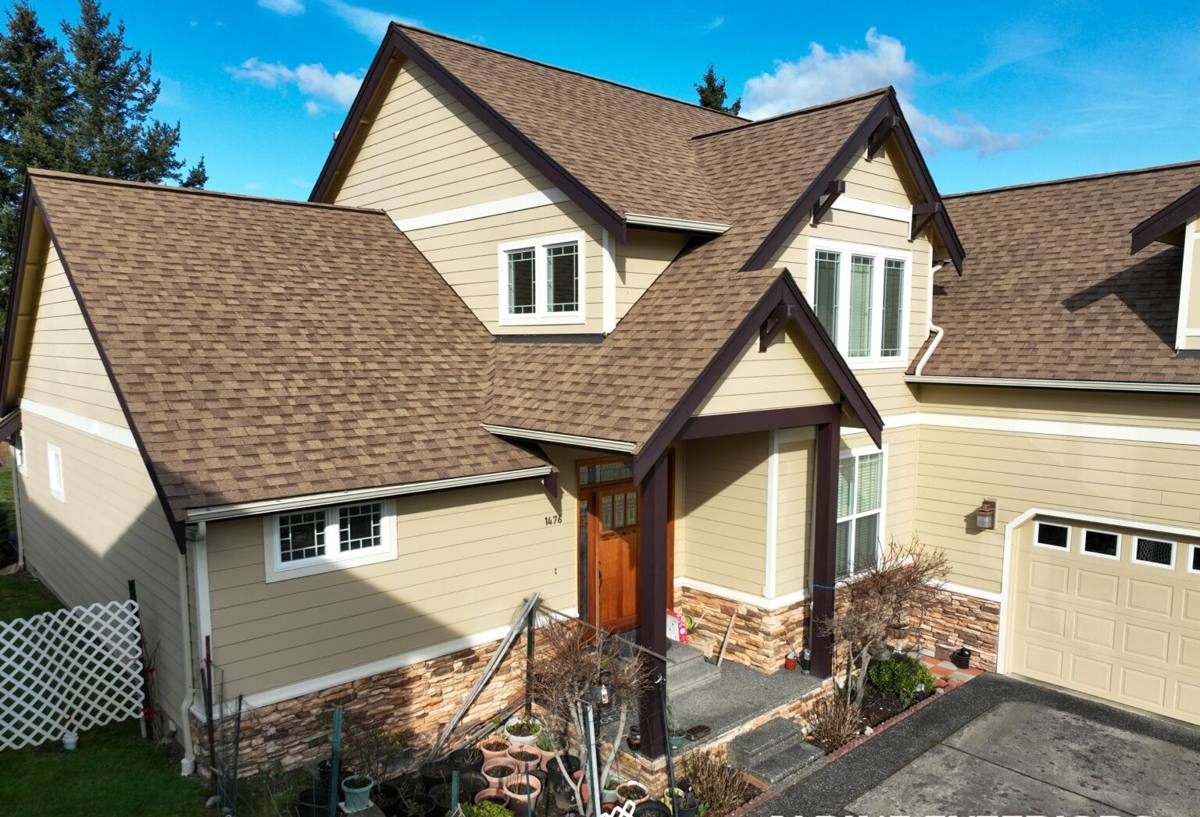
What Salt Air, Rain, and Moss Actually Do to a Window
Salt Air and Metal Hardware
Salt-laden air corrodes exposed metal faster than people expect — hinges, cranks, balance hardware, and even some low-grade aluminum frames. It doesn't take a beachfront lot for this to matter; wind carries salt air well inland, and Ferndale gets enough of it that hardware quality is worth paying attention to, not an afterthought.
Driving Rain and Water Intrusion
Rain that comes in sideways doesn't just hit the glass — it drives against the frame, the trim, and the wall assembly around the window. If the flashing and sealant weren't done correctly when a window was installed, water finds its way behind the frame and into the wall cavity. That's when you start seeing soft trim, bubbling paint, or a musty smell in a room that otherwise looks fine.
Moss and Sustained Moisture
Whatcom County's moss season isn't limited to roofs. Moss and algae will happily colonize a north-facing sill or a shaded window ledge that stays damp for weeks at a time, and sustained moisture like that breaks down caulk, primer, and wood far faster than an occasional rainstorm would. Windows in shaded, low-airflow spots need materials and detailing that can handle being wet more often than dry.
Signs Your Ferndale Home's Windows Need Attention
- Fogging or a visible haze between the panes — the seal has failed and the gas fill is gone
- Drafts you can feel near the frame even with the window fully latched
- Wood trim or sill that's soft, discolored, or has visible rot starting
- Difficulty opening, closing, or latching — often a sign the frame has shifted or swollen
- Paint that's bubbling or peeling specifically around the window opening, not the whole wall
- Visible moss, algae, or persistent black staining on the sill or lower frame
- Noticeably higher heating bills with no other explanation
Any one of these can be a minor fix. Several together, especially on an older home, usually mean it's time to talk about replacement rather than another round of caulk and paint.
What a Correct Window Installation Actually Involves
The window unit itself only matters if it's installed correctly, and this is where a lot of problems start — not with a bad product, but with a rushed installation that skipped a step nobody sees once the trim goes back on. A proper installation in a climate like this includes:
- Full removal and inspection of the old frame and surrounding sheathing to check for hidden rot or water damage before anything new goes in
- A sloped sill pan so any water that gets past the glass drains outward instead of pooling against the wood framing
- Proper flashing integration with the house wrap or building paper, layered correctly so water sheds down and out, not behind the barrier
- Quality sealant at every joint, rated for exterior exposure and applied so it won't crack and open a gap after one winter
- Correct shimming and leveling so the window operates smoothly and doesn't stress the frame or seals over time
- Insulation in the gap between the window frame and the rough opening — done without overpacking, which can bow the frame
Skip the sill pan or rush the flashing, and it doesn't matter how good the window itself is — water will eventually find the gap, and you won't see it happening until there's damage behind the wall.
Choosing a Window Frame Material for This Climate
There's no single "best" window material — it depends on budget, the look of the home, and how exposed the window is to wind-driven rain and salt air. Here's how the common options actually compare for a Ferndale home:
| Frame Material | Moisture Resistance | Maintenance | Notes for This Climate |
|---|---|---|---|
| Vinyl | Very good — won't rot | Low; occasional cleaning | Solid value option; verify weatherstripping quality on exposed elevations |
| Fiberglass | Excellent; dimensionally stable | Low | Holds up well to temperature swings and driving rain; higher upfront cost |
| Aluminum | Fair; prone to corrosion near salt air | Moderate | We're selective about where we use it here given hardware corrosion risk |
| Wood | Poor without diligent upkeep | High | Beautiful, but demands regular repainting and sealing in this rainfall |
| Wood-clad (wood interior, composite exterior) | Good on the exposed side | Low-moderate | Good compromise for homeowners who want a wood look inside |
For most Ferndale homes, we steer people toward vinyl or fiberglass on any wall that takes direct weather — not because wood or aluminum are bad products, but because the maintenance burden and corrosion exposure add real cost and risk over the life of the window in this specific climate. If you want a wood interior look, clad options give you that without leaving raw wood exposed to the weather side.
Glass and Sealing Considerations
Frame material is half the equation — the glass package matters just as much for comfort and condensation control:
- Double-pane, argon-filled is the practical baseline for this region's heating season
- Low-E coatings help manage heat loss and reduce interior condensation on cold, wet days
- Warm-edge spacers (versus older metal spacers) reduce the cold spot at the glass edge, which is where condensation and mold tend to start first
- Quality weatherstripping around the sash matters as much as the glass — it's often the first thing to fail and the easiest to overlook when comparing quotes
How We Approach a Custom Windows Project in Ferndale
1. On-Site Assessment
We look at each window opening individually — sun exposure, wind exposure, whether it's under an eave or fully exposed, and whether there's any existing moisture damage. Windows on the same house can have very different needs depending on which direction they face.
2. Measuring and Product Selection
We measure precisely for the actual opening rather than assuming a standard size, and walk through frame material, glass package, and style options based on the home and your budget — not a one-size-fits-all recommendation.
3. Removal and Prep
Old windows come out carefully, with the opening inspected for hidden rot or water damage before anything new goes in. If we find damage, we'll show you and talk through the fix before proceeding — no surprises after the fact.
4. Installation
Sill pan, flashing, insulation, and sealant are done in the correct order, every time, regardless of whether it's one window or a whole-house replacement.
5. Finish and Walkthrough
Interior and exterior trim get finished cleanly, every window gets tested for smooth operation, and we walk the job with you before we consider it done.
Why a Crew That Already Works Ferndale Matters
Whatcom County's wind-driven rain and coastal exposure aren't the same everywhere, and a crew that mostly works drier inland areas can genuinely underestimate what's needed here. We're based in Lynden and work Ferndale and the surrounding areas regularly, which means we already know how local wind and rain patterns behave against different sides of a house, what wall assemblies are common in the area's housing stock, and what tends to go wrong when a window wasn't detailed correctly the first time.
We also do roofing and exterior work, so we think about a window the way we think about a roof penetration — as one part of the whole building envelope, where flashing and water management have to work together with everything around it. A window that's installed without that mindset can look fine for a year or two and still leak.
Maintenance That Extends Window Life in This Climate
- Rinse salt residue and grime off exterior frames and glass a few times a year, especially after storms
- Clear moss, leaves, and debris off sills and tracks before they hold moisture against the frame
- Check and refresh exterior caulk lines annually — this is cheap insurance against water intrusion
- Test that weep holes (the small drainage gaps in the bottom of the frame) are clear and draining
- Operate each window through its full range a few times a year so hardware doesn't seize
- Watch for early condensation between panes — it's the first sign of a failing seal, not a cosmetic issue
What Affects the Cost of a Custom Windows Project
| Factor | How It Affects Cost |
|---|---|
| Number and size of window openings | Larger jobs bring per-unit costs down but raise total project cost |
| Frame material chosen | Vinyl is typically the most economical; fiberglass and wood-clad cost more upfront |
| Glass package | Upgraded Low-E coatings and gas fills add cost but improve comfort and efficiency |
| Condition of existing openings | Hidden rot or water damage found during removal adds repair time and cost |
| Custom shapes or sizes | Non-standard openings require custom manufacturing versus stock sizing |
| Trim and finish work | Matching existing trim profiles or upgrading finish materials affects labor |
We don't publish a flat price list because window projects vary too much house to house — but we'll always give you a clear, itemized quote before any work starts, and we'll explain exactly what's driving the number.
Ready to Talk Through Your Windows?
If your Ferndale home has windows that are drafty, fogging, or showing wear from a few too many wet winters, we're happy to take a look and give you an honest read on whether repair, partial replacement, or a full upgrade makes the most sense. Fill out the form below for a free, no-pressure estimate — we'll walk the property, answer your questions, and give you options that fit your home and your budget, not just the biggest quote we can write.