 Lynden Roofing
 Window Replacement in Custer: What the Job Actually Involves
Custer is one of the smaller communities we serve out of our home base in Lynden, and it sits in the same demanding stretch of Whatcom County as the rest of the region's coastal-influenced flatland — close enough to the Salish Sea that homes still deal with salt-tinged air moving in on winter storms, open enough to agricultural ground that wind-driven rain has nothing to slow it down before it hits a wall, and wet enough most of the year that moss and mildew get a long season to work on anything that stays shaded and damp. Full window replacement in a climate like this isn't just about swapping old glass for new glass. It's about getting the flashing, the rough opening, and the frame material right so the new window actually outperforms the one it replaced for decades, not just for a season or two.
This page is specifically about window replacement — pulling out an old window system and putting in a new one — rather than repair or reglazing. That's a different job with a different set of decisions attached to it: whether to replace inside the existing opening or go full-frame, whether the current opening even meets today's code requirements, and how to keep an older Custer-area home looking like itself once the work is finished. It's also a job that touches more of the house than people expect — interior trim, exterior siding at the opening, and sometimes insulation inside the wall cavity all come into play once a window comes out.
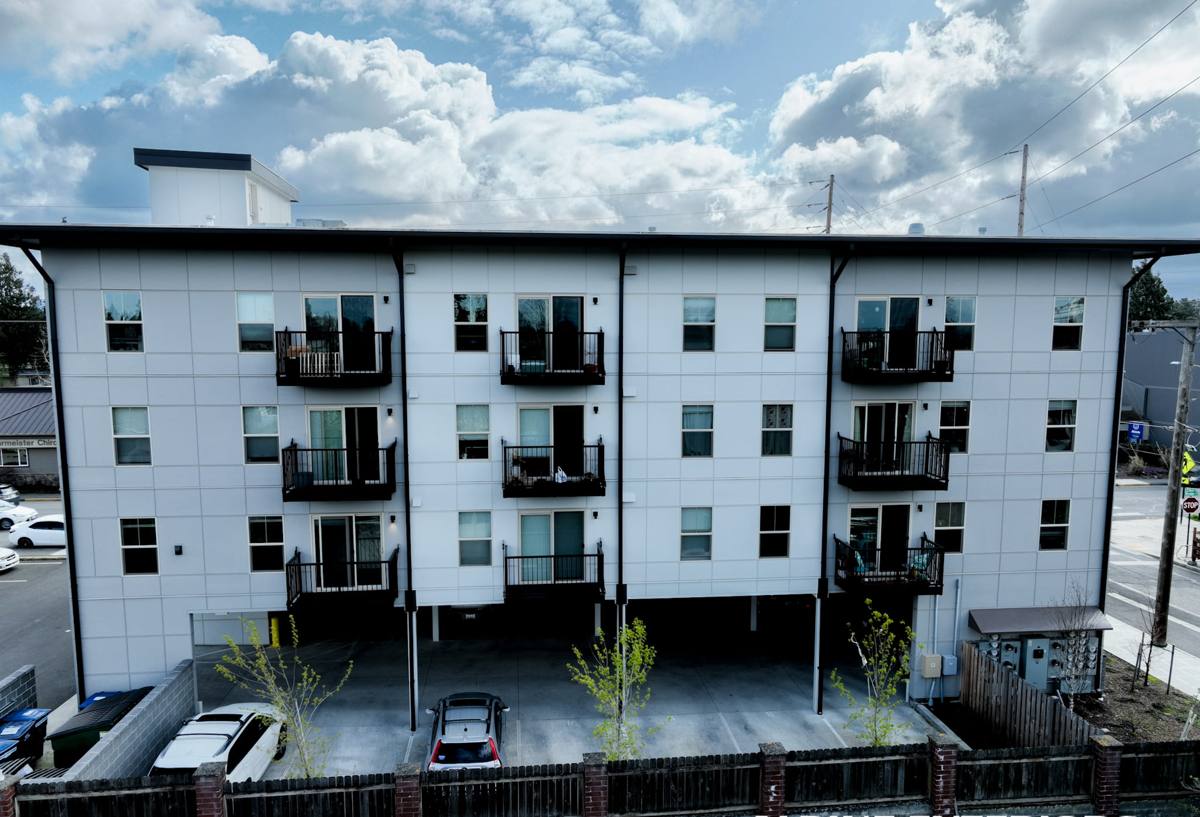
Two Ways to Replace a Window
Insert (Pocket) Replacement
An insert replacement leaves the existing window frame in the wall and installs a new window unit inside it. It's less invasive, faster, and generally less expensive, and it works well when the existing frame is square, dry, and structurally sound. The trade-off is that the new window's visible glass area shrinks slightly because the new frame nests inside the old one, and any hidden rot or flashing problems behind the old frame stay hidden rather than getting fixed.
Full-Frame Replacement
Full-frame replacement removes the window down to the rough opening — old frame, old flashing, and all — and rebuilds from there. It takes longer and costs more, but it's the only method that lets us actually see and correct what's behind the old window: rotted framing, flashing that was never lapped correctly in the first place, or an opening that's out of square. For a fair amount of the older housing stock in and around Custer, that hidden condition is the actual reason the windows are failing, not the glass itself.
What Full Replacement Solves That an Insert Can't
We don't default to full-frame replacement on every job — plenty of homes in this part of Whatcom County have insert-eligible openings that are perfectly sound behind the trim, and there's no reason to pay for more work than a house actually needs. But we recommend full-frame when we find any of the following:
- Soft, discolored, or visibly rotted framing around the current window
- Flashing that was never properly lapped with the siding or the weather-resistive barrier
- An opening that's out of square enough to affect how the new window will operate
- Water staining on interior drywall, trim, or flooring below or beside the window
- A homeowner who wants to resize an opening — larger glass, a different window style, or correcting an undersized bedroom window
An insert replacement installed over a hidden problem doesn't fix that problem. It covers it up behind a new window for a few more years before it resurfaces, and at that point the labor to remove the insert and address the underlying issue costs more than doing it right the first time would have.
Energy Code, Sizing, and Egress: The Rules That Shape a Replacement Job
Washington's Energy Code and Glazing Performance
Washington's state energy code sets minimum performance requirements for replacement windows, generally expressed as a U-factor limit for the glazing. A full window replacement is required to meet current code for the new unit, which is one more reason to talk through glazing packages up front rather than assume any double-pane window automatically qualifies — some older or budget-grade units don't clear the bar, particularly in a heating-dominated climate like Whatcom County's.
Egress Requirements on Bedroom Windows
If a bedroom window is part of the replacement, it needs to meet current egress requirements for opening size and sill height, regardless of what was there before. On some older Custer-area homes that means a straight swap isn't allowed — the opening has to be resized, which pushes the job toward full-frame replacement whether or not the surrounding framing needed that treatment for any other reason. We check this before quoting a job, not after materials have already been ordered.
Matching the Look and Choosing Materials for Older Custer-Area Homes
A lot of the housing stock around Custer and the surrounding farmland predates modern vinyl and fiberglass window systems, with wood-frame double-hung windows, grid patterns, and trim profiles that were standard decades ago. Full replacement gives us the chance to match that look with modern performance behind it — grid patterns applied between the glass panes rather than glued on top of it, trim details that echo the original casing, and frame colors that don't read as an obvious retrofit from the street. Moss and mildew tend to show up first on shaded, north-facing trim in this climate, so we also look at whether the surrounding trim needs attention at the same time — there's little point installing a new window into trim that's already on its way out.
Frame Material and Hardware for This Climate
We install vinyl and fiberglass window systems for replacement work, and we talk homeowners through the real trade-offs rather than steering everyone toward one option. Vinyl is generally the more affordable choice and holds up well in a mild, wet climate. Fiberglass costs more but stays more dimensionally stable through temperature swings and can be painted if a homeowner wants a color other than what came from the factory. On the hardware side, we specify corrosion-resistant fasteners and hinges as standard, since the marine-influenced air reaching inland to Custer will accelerate pitting and stiffness on lower-grade hardware years before a drier climate would show the same wear.
Our Replacement Process, Start to Finish
We start with an on-site walkthrough of every window being considered for replacement, checking frame condition, flashing, squareness, and whether egress or energy code requirements apply to that opening. From there we give a straight answer on insert versus full-frame for each window individually — not one blanket recommendation for the whole house — along with a written scope and glazing package before anything gets ordered. Full-frame openings get flashing that laps correctly into the surrounding siding and weather-resistive barrier as standard practice, not as an upgrade homeowners have to request. Once materials arrive, most single-window installations take a matter of hours; larger, whole-house replacement projects get scheduled around Whatcom County's wetter months when possible, since open wall assemblies need reasonably dry conditions to install correctly. Before we leave any job site, we walk the finished openings with the homeowner, check that every unit operates and locks properly, and confirm the exterior trim and siding tie back in cleanly around the new window.
Cost Factors in a Full Window Replacement Project
| Factor | What Drives Cost | Why It Matters in This Climate |
|---|---|---|
| Replacement method | Full-frame costs more than insert due to extra labor and materials | Full-frame is often the only way to find and fix flashing hidden behind an old frame |
| Frame material | Vinyl generally costs less than fiberglass | Both resist rot better than uncladded wood in a consistently wet climate |
| Glazing package | Double-pane low-E costs less than triple-pane | Meeting energy code and controlling condensation matters more here than in a drier region |
| Opening resizing | Resizing for egress or a new window style adds framing and trim work | Some older bedroom windows don't meet current egress sill height or size requirements |
| Number of openings | Per-window cost usually drops on larger, multi-window jobs | Scheduling and material ordering are more efficient handled in one pass |
| Trim and exterior finish | Repairing or replacing damaged trim adds cost but prevents early failure | Moss and moisture damage on trim is common on shaded Custer-area homes |
A Checklist Before Hiring for Full Window Replacement
- Ask whether each window is a candidate for insert or full-frame replacement, and why
- Confirm the glazing package meets current Washington energy code requirements
- Ask specifically about egress requirements if any bedroom windows are involved
- Get a written scope that separates the manufacturer's product warranty from the installation warranty
- Confirm current Washington contractor licensing and active liability insurance
- Ask about lead times — custom-sized replacement windows commonly take several weeks to arrive
Why a Lynden-Based Crew Serving Custer Matters
We're based in Lynden, and Custer falls within the same stretch of Whatcom County we work on a regular basis — the same salt-tinged air, the same driving rain off open ground, the same long moss season that goes after anything shaded and damp. A crew that already knows how those conditions behave makes different calls than one seeing the area for the first time: how much flashing lap an opening actually needs, whether an egress issue is going to force full-frame before a homeowner even brings it up, which glazing package makes sense for a heating-dominated climate rather than a milder one. Those are the decisions that decide whether a replacement window is still performing in twenty years or leaking again in five. It also means realistic scheduling — we know which months tend to bring the driving rain that makes open-wall work harder, and we plan full-frame jobs around that instead of into it.
We're happy to take a look at your windows and give you a straightforward read on what a correct replacement would involve — no pressure, no obligation. Reach out below for a free estimate.