 Lynden Roofing
 New Roof Installation in Custer: Built for This Corner of Whatcom County
Custer sits in the northwest reach of Whatcom County, close enough to open water that homes here deal with a mix of weather most inland roofs never see. Salt-laden air moves in off the coast, rain tends to arrive sideways more than straight down, and the mild, damp climate gives moss and algae a growing season that stretches most of the year. When it's time for a full roof replacement, all three of those factors need to shape the decisions made before a single shingle goes on the roof, not just the shingle color.
A new roof is one of the largest single investments a homeowner makes in a house, and it's also one of the least forgiving if it's done wrong. Unlike a repair, which can often be corrected later, a poorly installed new roof bakes its mistakes — bad flashing details, wrong underlayment, missing ventilation — into a system that's expensive to fix once the shingles are down and the job is closed out. This page walks through what a new roof installation actually needs to hold up in Custer's conditions, and how we approach that work.
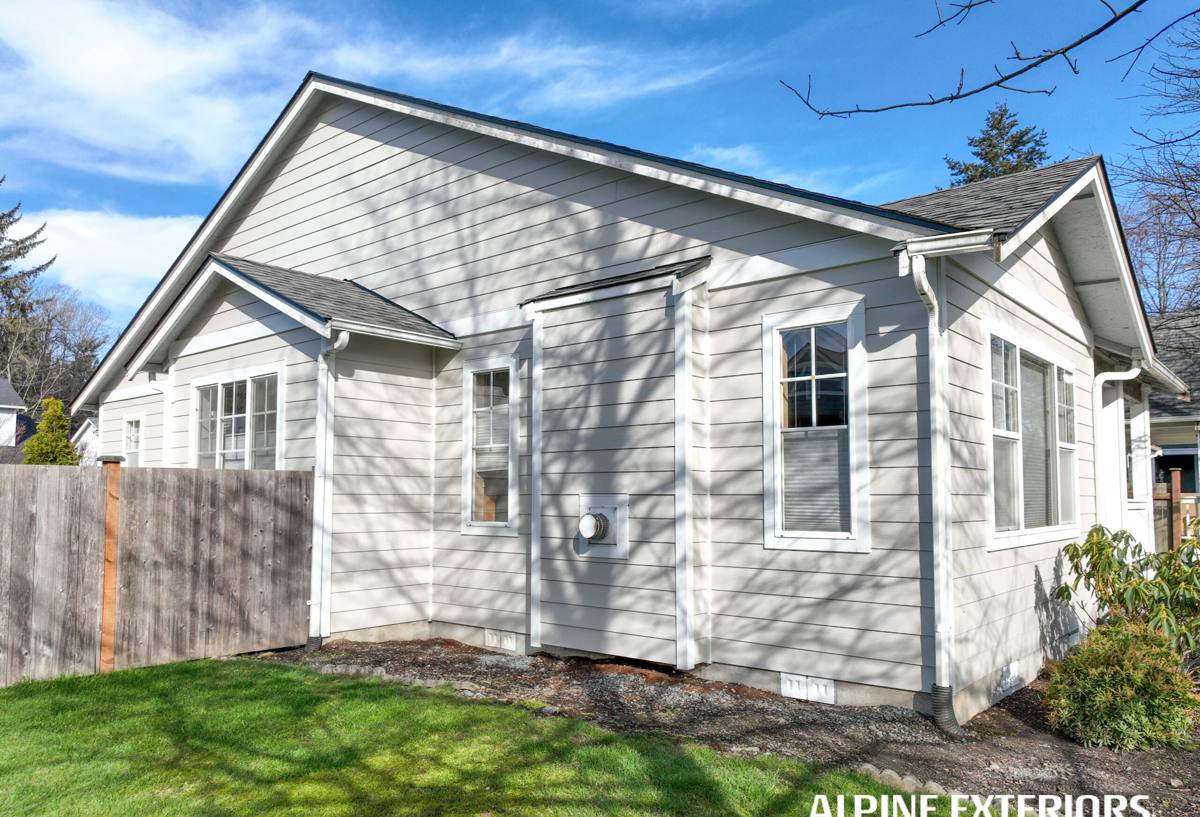
What Salt Air, Rain, and Moss Actually Do to a New Roof
Salt Air and Metal Corrosion
Homes close to the water pick up airborne salt that settles on roofing surfaces and, more importantly, on the metal components tucked into the roof system — flashing, fasteners, vent caps, and drip edge. Standard-grade metal exposed to that salt over years corrodes faster than the same product would fifteen or twenty miles inland. On a new install, that means choosing corrosion-resistant metal and fastener grades from the start rather than treating it as an upgrade.
Wind-Driven, Sideways Rain
Storms coming off the water don't just drop rain straight down — wind pushes it sideways into roof valleys, up under shingle edges, and around any penetration in the roof deck. A new roof built for this needs flashing that's lapped and sealed correctly at every valley, chimney, skylight, and wall transition, because that's exactly where wind-driven rain finds the gaps a straight-down rain never would.
A Long, Active Moss Season
Mild temperatures and frequent moisture mean moss and algae can establish on a roof surface almost any time of year, not just in the wettest months. Shaded slopes, north-facing planes, and roofs under tree cover are especially prone to it. Moss doesn't just look bad — it holds water against the roofing material and can work its way under shingle edges over time, which is exactly the kind of slow damage a brand-new roof should be designed to resist from day one.
What a Correctly Installed New Roof Includes
The shingle or panel on top is the part everyone sees, but it's the layers underneath that determine whether a new roof actually performs in this climate for its full rated life. On every new roof installation, that means:
- A roof deck inspected and repaired before anything new goes down — rotten or soft sheathing gets replaced, not covered over
- Underlayment rated for sustained moisture exposure, not a bare minimum-code product
- Ice-and-water shield at eaves, valleys, and other spots where water and debris naturally collect
- Properly lapped, sealed flashing at every valley, chimney, vent pipe, skylight, and roof-to-wall transition
- Corrosion-resistant fasteners and metal components suited to a salt-air environment
- Balanced attic and roof deck ventilation so moisture escapes instead of getting trapped against the underside of the new roofing
- Proper drip edge and starter course installation at all eaves and rakes
None of these items add much to the overall cost of a new roof relative to the shingles or panels themselves, but skipping any of them is how a roof rated for thirty years ends up needing attention in year twelve.
Choosing a Roofing Material for a Custer Home
There isn't one right material for every home — it depends on the roof's pitch, how much shade it gets, how close the home sits to the water, and how long the owner plans to stay. The honest comparison looks like this:
| Material | Salt Air & Moss Behavior | Typical Maintenance | Realistic Lifespan Here |
|---|---|---|---|
| Architectural asphalt shingle | Performs well with proper ventilation and corrosion-resistant flashing; moss-resistant granule options help | Periodic moss removal, gutter checks | 20-30 years |
| Standing seam metal | Sheds water and moss well due to a smooth surface, but requires marine-grade coatings or alloys near the coast | Low; occasional fastener and sealant checks | 40-60 years with correct materials |
| Cedar shake | Absorbs moisture readily; needs strong airflow underneath to dry between rains | Higher; regular treatment and moss control | 20-30 years with consistent upkeep |
| Composite/synthetic shingle | Resists moisture absorption well; salt tolerance varies by product | Low to moderate | 30-50 years depending on product quality |
We'll go over which option actually fits your roof's exposure and budget rather than defaulting to whichever product is easiest to sell. A roof that catches wind straight off the water calls for different choices than a shaded, tree-covered roof a few streets back from it.
Our New Roof Installation Process
- Inspection and assessment. We look at the existing roof, the deck underneath, attic ventilation, and how the specific site is exposed to wind, sun, and salt air before recommending anything.
- Written scope and material selection. You get a clear, itemized scope of work and a straightforward walkthrough of material options and their real trade-offs for your home.
- Tear-off and deck repair. Old roofing comes off completely, the deck is inspected board by board, and any rotten or damaged sheathing is replaced before anything new is installed.
- Underlayment, ice-and-water shield, and flashing. These layers go in first and get the most attention, since they're what actually keeps water out once the shingles or panels are down.
- Roofing installation. Shingles, panels, or shakes go on to manufacturer specifications, with attention to nailing patterns, exposure, and ventilation components.
- Cleanup and magnetic sweep. The property is cleared of debris and swept for stray fasteners before we consider the job finished.
- Final walkthrough. We go over the completed roof with you, explain what was done, and answer any questions before closing out the job.
What Drives the Cost of a New Roof in Custer
Every new roof is priced around the specifics of that home, but the same handful of factors drive most of the variation we see:
- Roof size and pitch — steeper roofs take longer to work safely and require more material to cover the same footprint
- Material choice — asphalt, metal, cedar, and synthetic products span a wide cost range before installation labor is even added
- Number of existing roofing layers to remove — tear-off labor increases with each layer of old material
- Deck condition — rotten or soft sheathing found during tear-off needs replacing, and that's not always visible until the old roofing is off
- Roof complexity — valleys, dormers, skylights, and multiple roof planes all add flashing work and time
- Site access — how easily materials and equipment can reach the roof affects labor time
We'd rather walk your specific roof and give you real numbers than quote a generic range that doesn't hold up once we're actually up there.
Signs a Custer Home Needs a New Roof, Not Just a Repair
Some roofing problems are a straightforward repair. Others are a sign the roof has reached the point where patching it stops making financial sense. Worth a professional look if you're seeing:
- A roof nearing or past its material's rated lifespan, especially if it's had several prior repairs
- Moss or algae covering a significant portion of the roof, not just isolated shaded patches
- Multiple soft spots or areas of sagging when walked, which usually point to deck damage
- Widespread curling, cracking, or missing shingles across more than one roof plane
- Visible daylight through the roof deck from inside the attic
- Rusted or deteriorating flashing and fasteners, particularly on older metal components exposed to salt air
- Interior water stains that keep reappearing despite prior repair attempts
We'll give you an honest read on whether your roof is a repair candidate or genuinely at the end of its life — we don't default to recommending a full replacement just because that's the bigger job.
Why a Crew That Already Works Custer Matters
A contractor who installs roofs across this stretch of Whatcom County season after season has seen how salt air, wind-driven rain, and moss actually behave on real homes over years, not just how a product performs on a spec sheet. That translates into practical decisions on install day: which metal and fastener grades hold up given how close a home sits to the water, how much ice-and-water shield a given valley genuinely needs, and which flashing details are worth the extra time so a callback isn't waiting two winters down the road. It also means showing up already understanding that a roof a few miles from open water doesn't need the identical spec as one further inland, and building each roof around its actual exposure instead of a one-size-fits-all approach.
Ready for an Honest Look at Your Roof?
If you're weighing a new roof for your Custer home, we're glad to come take a look and walk you through what your roof actually needs — no pressure, no upsell script, just a straightforward assessment. Reach out using the form below to schedule a free estimate.