 Lynden Roofing
 Board & Batten Siding for Custer Homes: Built for What the Coast Sends This Way
Custer sits close enough to the water that homes here take a different kind of weather beating than siding fifteen miles inland. Salt-tinged air off the Strait of Georgia works into every seam and fastener. Driving rain off Pacific storm systems doesn't fall straight down — it comes in sideways, testing every lap, joint, and batten on a wall. And the long gray stretch of a Whatcom County winter gives moss and algae months to take hold on anything that stays damp and shaded. Board and batten siding has a clean, architectural look that a lot of Custer homeowners want, but the look only holds up if the material and the installation are built for this specific climate — not just built to look good on day one.
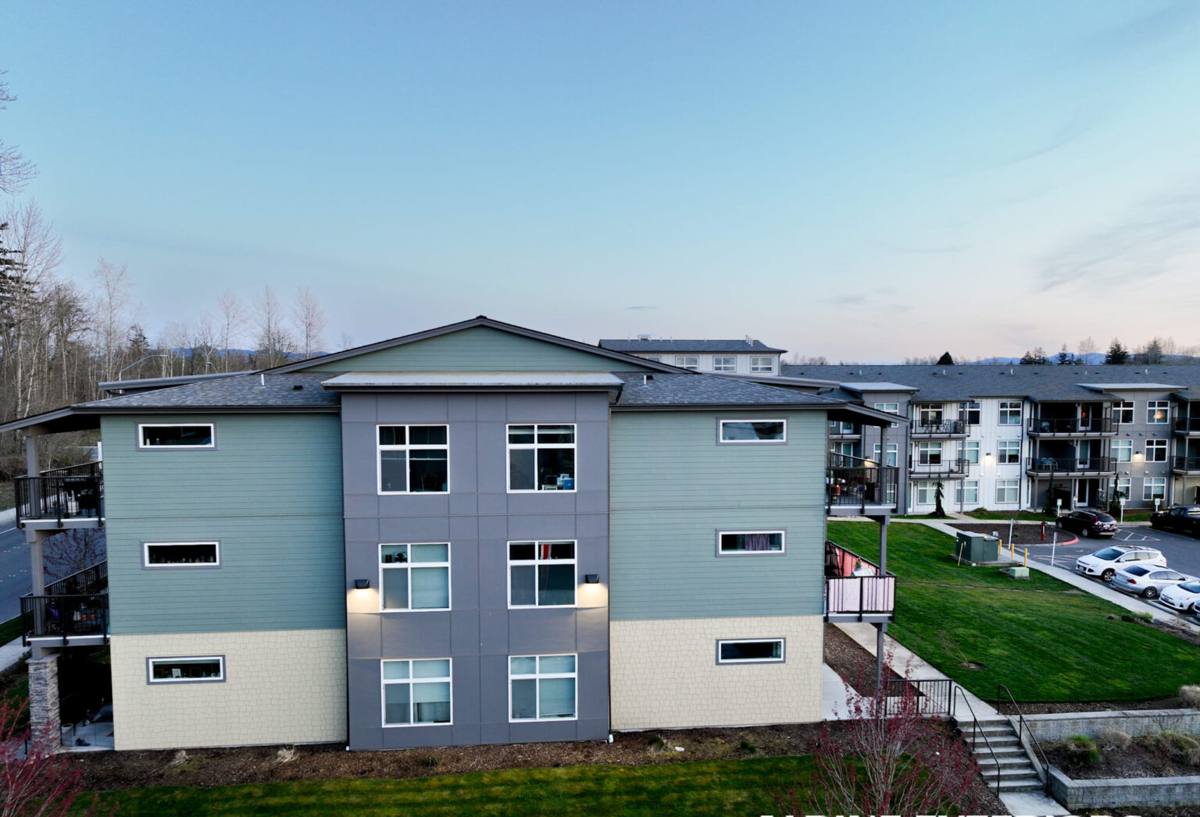
What Board & Batten Siding Actually Is
Board and batten is a vertical siding style: wide flat panels installed side by side, with narrower strips — the battens — covering the seams between them. It's an older architectural style, common on farmhouses and barns throughout Whatcom County, that's come back as a popular look for modern homes, accent walls, gables, and porch details. The vertical lines and the shadow line created by the battens give a home texture that flat lap siding doesn't have.
The style is simple. What's not simple is doing it in a way that actually sheds water for decades instead of trapping it. A board and batten wall has roughly twice the vertical seams of a standard lap job, and every one of those seams is a potential path for water if it's not detailed correctly.
Why Custer's Climate Raises the Stakes
Salt Air and Fasteners
Homes close to the coast see accelerated corrosion on anything that isn't rated for it — fasteners, flashing, trim. Cheap or mismatched hardware on a board and batten installation will rust and streak long before the siding itself shows its age, and once a fastener starts to go, the seal around it goes with it.
Driving Rain and Wind-Driven Moisture
Board and batten's vertical seams run with gravity, which helps water move down and off the wall — but only if there's a real drainage path behind the panels. Wind-driven rain, common in Whatcom County storms, can push moisture sideways into joints that weren't designed to handle it. Without a proper rain screen gap and correctly lapped house wrap behind the siding, that moisture has nowhere to go but into the sheathing.
Moss and Extended Shade Season
Custer gets the same long wet season as the rest of the county — soft light, heavy cloud cover, and stretches where a north-facing or tree-shaded wall barely dries out between storms. Moss and algae need exactly that kind of damp, low-light environment. Siding material that absorbs moisture gives moss something to root into; material that doesn't absorb it gives moss nothing to hold on to.
Why We Install Board & Batten in James Hardie Fiber Cement Only
Lynden Roofing Co installs James Hardie fiber cement exclusively — for board and batten and every other siding style we do. We don't install vinyl, LP SmartSide, Cemplank, Allura, primed spruce, or cedar board and batten, and that's a deliberate standard, not an oversight.
Vertical board and batten in wood or engineered wood products depends on an intact factory coating and careful field sealing at every cut edge and seam to keep moisture out. In a climate that stays wet as long as Whatcom County's does, that margin for error is thin, and the failure point is almost always the cut edges and butt joints — exactly where a board and batten wall has the most of them. Vinyl board and batten avoids moisture absorption but has its own limits: it can warp or distort in temperature swings, the profile depth is limited compared to real board and batten shadow lines, and it's not a material we stand behind for a coastal Whatcom County installation.
James Hardie fiber cement is engineered specifically for wet climates. It's non-combustible, it doesn't absorb water the way wood-based products do, it holds a factory-applied ColorPlus finish that's baked on rather than field-painted, and Hardie backs it with a strong, transferable product warranty. For a style like board and batten — with all those extra vertical seams — starting with a material that isn't fighting moisture absorption from day one matters more than it does on a simple lap job.
What a Correct Board & Batten Installation Involves
The board and batten look is easy to fake and hard to do right. A correct installation on a Custer home involves several layers most people never see once the job is finished:
Drainage Plane and Rain Screen
Behind every panel, there should be a continuous, correctly lapped weather-resistant barrier and a drainage gap that lets any moisture that does get behind the siding drain out and dry, rather than sit against the sheathing.
Panel and Batten Layout
Panel spacing and batten placement need to be planned around the wall's actual dimensions, window and door openings, and corners — not just started from one end and adjusted at the last panel. Battens are fastened to hit framing or blocking, not just the panel edge.
Flashing at Every Penetration
Windows, doors, hose bibs, light fixtures, and vents all break the wall plane, and each one needs its own flashing detail so water is directed out and down rather than behind the siding.
Fastener Selection
Given the salt air near Custer, fastener material and coating matter as much as the fastener itself. We use fasteners rated for the exposure, sized and spaced to Hardie's published installation specs.
Caulking and Sealant, Used Correctly
Sealant belongs at specific transition points — not smeared over every seam as a substitute for correct flashing. Over-reliance on caulk is one of the most common shortcuts on board and batten jobs, and it fails within a few years.
Board & Batten Material Comparison
| Material | Moisture Behavior | Coastal/Salt Air Fit | Finish | Typical Lifespan |
|---|---|---|---|---|
| James Hardie Fiber Cement | Does not absorb water, dimensionally stable | Strong — non-combustible, engineered for wet climates | Factory-baked ColorPlus finish | Decades, with proper install |
| Cedar | Absorbs moisture, needs regular refinishing | Moderate — vulnerable to rot without upkeep | Field-stained or painted | Shorter without diligent maintenance |
| Vinyl | Doesn't absorb water, but can warp with heat/cold | Moderate — limited shadow-line depth | Color molded in, fades over time | Variable, seams and fasteners are weak points |
| LP SmartSide / Engineered Wood | Wood-based core, depends on sealed edges | Moderate — sensitive to cut-edge moisture intrusion | Factory-primed or coated | Depends heavily on maintenance and install quality |
Cost Factors for a Board & Batten Project
Every Custer home is different, so we won't quote a number without seeing the house, but a few things consistently move the price on a board and batten job:
| Factor | Why It Matters |
|---|---|
| Wall area and home shape | More corners, gables, and dormers mean more panels, more battens, and more cuts |
| Full replacement vs. accent application | Whole-house board and batten costs more than an accent gable or porch feature |
| Existing siding condition | Tear-off, sheathing repair, or water damage found underneath adds scope |
| Trim and window count | Every opening needs flashing and trim detail, which adds labor |
| Color and finish selection | Standard ColorPlus colors vs. premium finishes affect material cost |
Our Process, Start to Finish
We walk every Custer property in person before we quote it. Board and batten hides layout mistakes worse than lap siding does, so we measure the wall, plan panel and batten spacing around the actual openings and corners, and check what's underneath the existing siding before we commit to a number. From there:
- Site walk and measurement, including a look at existing sheathing and moisture barrier condition
- A written estimate that spells out material, layout plan, and scope — no surprise add-ons buried in fine print
- Removal of old siding and inspection/repair of sheathing where needed
- Installation of the weather-resistant barrier and rain screen gap
- Panel and batten installation per James Hardie's fastening and clearance specifications
- Flashing at every window, door, and penetration
- Final walkthrough with the homeowner before we call the job done
Maintenance in Custer's Climate
James Hardie board and batten doesn't need the refinishing schedule that wood siding does, but it isn't a walk-away-forever product either. A rinse down once or twice a year keeps salt residue and organic buildup from settling into the texture, especially on shaded or north-facing walls where moss is most likely to start. Caulking at trim and penetration points should get a visual check periodically, since sealant is the one part of the system that does wear over time even when the siding itself doesn't. Beyond that, correctly installed Hardie board and batten is about as low-maintenance as vertical siding gets in this climate.
Why Local Installation Experience Matters
Board and batten forgives almost nothing when it comes to layout and detailing, and a crew that hasn't worked exposure like Custer's before will make different assumptions than one that has. We've seen how salt air treats fasteners here, how far wind-driven rain pushes into a wall assembly during a real Whatcom County storm, and which walls in this area hold moss because of shade and orientation rather than a material defect. That's the difference between a board and batten installation that looks good in photos and one that's still tight and dry ten winters from now.
If you're considering board and batten siding for a home in Custer, we're happy to take a look and walk you through what it would actually take on your specific house — no pressure, no obligation. Use the form below to request a free estimate.