 Lynden Roofing
 Board & Batten Siding: A Distinctive Look Built to Handle Coastal Weather
Board and batten is one of the more distinctive siding profiles available — wide vertical panels or boards with narrow strips (battens) covering the seams, giving a home a clean, linear look that reads as more modern or more farmhouse depending on the trim and color choices around it. It's a popular request from homeowners in and around Aldergrove, BC and the greater Lynden area who want something with more visual texture than standard horizontal lap siding.
What most homeowners don't think about until later is that board and batten is also a harder siding profile to get wrong. The vertical seams, the batten fastening pattern, and the way water is meant to shed off a vertical surface all behave differently than lap siding — and in a climate that sees as much sustained wet weather as this region does, those differences matter. This page walks through what board and batten needs to hold up here, what a correct installation involves, and why we only install it in one material.
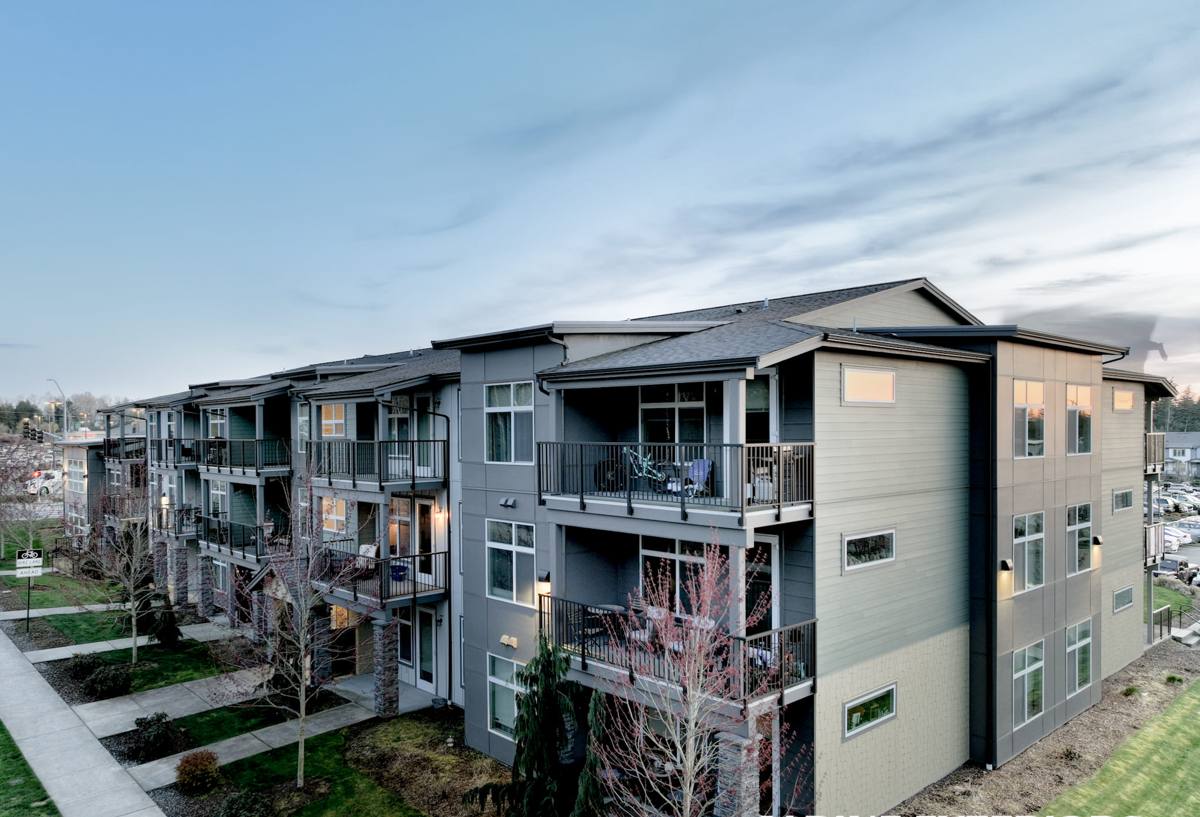
Why Aldergrove's Climate Is Tough on Vertical Siding
Aldergrove sits close enough to the coast, and close enough to Lynden and the rest of Whatcom County, that it shares the same weather pattern we deal with on every job: long stretches of wet weather, periods of wind-driven rain, some salt-laden air moving in off the water, and a moss season that can stretch for months. Vertical siding profiles interact with all of that a little differently than horizontal siding does.
Driving Rain and Wind-Driven Moisture
Horizontal lap siding is shaped to shed water downward by design — each course overlaps the one below it. Board and batten relies more heavily on the seams and battens themselves, plus the water-resistive barrier behind the siding, to keep moisture out. When wind pushes rain sideways during a storm, it can drive moisture into poorly sealed or poorly fastened seams in a way that horizontal siding is less prone to.
Salt Air and Corrosion
Salt-laden air accelerates the corrosion of exposed fasteners, flashing, and hardware. On a board and batten installation, the battens are typically fastened directly through to the substrate, which means there are more exposed fastener points than on some other siding styles. Fastener quality and placement matter more here, not less.
The Long Moss Season
This region's extended damp season is good for moss and algae growth on any exterior surface that stays shaded and moist — siding included. Vertical battens create horizontal ledges and shadow lines where moisture can sit longer than it would on a smooth, sloped surface, so material choice and finish quality play a real role in how much organic growth a home collects over the years.
What a Correct Board & Batten Installation Actually Involves
Board and batten looks simple from the street, but the assembly behind it does more work than people expect. Getting it right is less about the visible boards and more about what's happening underneath them.
Water-Resistive Barrier and Drainage Plane
Every board and batten installation we do starts with a continuous water-resistive barrier and a drainage gap behind the siding. That gap gives any moisture that does get past the outer surface a way to drain out and dry, instead of sitting against the sheathing. This detail matters even more on vertical siding, where seams run the full height of the wall.
Batten Layout and Fastening
Batten spacing has to be planned around the width of the panels or boards underneath, with consistent reveal and enough fastening to hold up under wind-driven rain without over-driving fasteners into the material. Fastener spacing and type follow the manufacturer's engineering specs — this is not a place to eyeball it.
Flashing at Openings and Transitions
Windows, doors, roof-to-wall transitions, and the bottom termination of the siding all need proper flashing and gapping. On a vertical profile, a missed flashing detail at a window head or sill tends to show up faster than it would on lap siding, because water has a more direct path downward along the seam.
Why We Only Install Board & Batten in James Hardie Fiber Cement
Board and batten can be built out of several materials, and we get asked fairly often why we don't offer it in real wood, vinyl, or LP SmartSide the way some other contractors do. Here's the honest answer, material by material.
Real wood board and batten is the traditional version of this look, and it can be beautiful — but solid wood siding needs regular repainting or re-staining, and in a climate this wet, it's more exposed to moisture absorption, cupping, and rot at the seams and fastener points than an engineered material.
Vinyl board and batten is inexpensive and low-maintenance in the sense that it doesn't rot, but it's a thin material that can look visibly flat and hollow compared to the crisper shadow lines of a true board and batten profile, and it becomes brittle and more prone to cracking in cold snaps and impact damage.
LP SmartSide board and batten is an engineered wood product, which means the cut edges and seams are more sensitive to sustained moisture exposure than fiber cement is. In a region with this much annual rainfall, that's a maintenance risk we're not willing to install and then stand behind.
We standardized on James Hardie fiber cement because it's non-combustible, dimensionally stable in wet-dry cycles, holds a factory-applied finish far longer than field-applied paint, and comes with a strong transferable warranty when installed to Hardie's own specifications. That's the material we put our name on.
| Material | Moisture Behavior | Maintenance | Typical Longevity |
|---|---|---|---|
| Real wood | Absorbs moisture, prone to cupping/rot at seams | Repaint/restain every few years | Shorter without diligent upkeep |
| Vinyl | Doesn't rot, but seams can flex and let water track behind | Low, but brittle over time | Moderate, fades and cracks with age |
| LP SmartSide | Engineered wood core, sensitive at cut edges/seams | Moderate, edge sealing critical | Depends heavily on installation quality |
| James Hardie fiber cement | Dimensionally stable, resists moisture-driven warping | Low, factory finish holds color | Long-term with correct install |
James Hardie Options for a Board & Batten Look
Hardie offers board and batten in a few configurations, including individual vertical boards with separate battens and pre-finished panel systems that achieve the same look with fewer field seams. We help homeowners choose based on the specific elevations of the home, the trim details they want, and how much of the vertical run is exposed to weather.
For this region, we spec Hardie's climate-engineered HZ5 product line, which is formulated for wetter, harsher climate zones like the Pacific Northwest. Combined with Hardie's ColorPlus factory finish — a baked-on finish that resists fading and chipping better than field-applied paint — it's a combination built specifically for the kind of weather Aldergrove and Lynden see most of the year.
Our Installation Process
- On-site evaluation of the existing wall assembly, current siding condition, and any moisture or rot already present
- Removal of old siding where needed, with inspection and repair of the sheathing underneath before anything new goes on
- Installation of a continuous water-resistive barrier and drainage gap
- Layout and installation of Hardie boards or panels with manufacturer-spec batten spacing and fastening
- Flashing at every window, door, and transition point
- Final inspection of seams, fastener lines, and finish before walkthrough
What Affects the Cost of a Board & Batten Project
We don't quote pricing sight unseen because every home is different, but a few factors consistently drive cost on board and batten projects specifically:
- Total wall area and the home's overall height and roofline complexity
- Condition of the existing siding and sheathing underneath — hidden rot or moisture damage adds scope
- Amount of trim, window and door openings, and corner detail, since board and batten is generally more labor-intensive per square foot than lap siding
- Accessibility of the home for scaffolding or lift equipment
- Whether existing siding needs to be removed and disposed of versus a straightforward tear-off
We'll walk through all of this in a written estimate before any work starts, so there are no surprises once the project is underway.
Maintaining Board & Batten Siding After Installation
James Hardie board and batten is low-maintenance compared to wood or engineered wood alternatives, but "low-maintenance" doesn't mean "no maintenance" — especially with the moss and moisture load this region deals with every year.
- Rinse siding periodically to keep organic growth from establishing in shaded battens and seams
- Trim back vegetation and tree cover that keeps sections of the wall shaded and damp longer than the rest of the home
- Check caulking at windows, doors, and trim annually and re-seal if it's cracking or pulling away
- Watch for any staining or discoloration near the bottom termination of the siding, which can indicate a drainage or flashing issue worth a closer look
- Keep gutters and downspouts clear so overflow isn't running directly down the siding face
Why a Local Crew That Already Works Aldergrove Matters
Lynden and Aldergrove sit right across the border crossing from each other, and we work both sides of it regularly. That matters for a project like this because we already know how this specific stretch of climate behaves on a wall — how much wind-driven rain a west-facing elevation typically takes, how fast moss establishes on a shaded north wall, and what flashing details actually hold up season after season here versus what looks fine on paper.
It also means straightforward logistics — a crew that's already local to the area, familiar with the homes and weather patterns nearby, and not relearning the region on your project.
If you're weighing board and batten siding for a home in Aldergrove, we're happy to come take a look and walk through what it would actually take for your specific house — no pressure, no obligation. Use the form below to request a free estimate.