 Lynden Roofing
 Siding Repair in Blaine: A Different Job Than a Full Replacement
Blaine sits right on the water at the northern edge of Whatcom County, close enough to Semiahmoo Bay and Drayton Harbor that salt air is a daily fact of life for most homes in town, not just the ones with a water view. Add in wind-driven rain that arrives with real force off the water and a moss season that barely lets up in the shaded, tree-sheltered parts of town, and it's easy to see why siding here shows wear in ways it simply doesn't a few miles inland. We're based in Lynden, and Blaine is regular territory for our crew — close enough that a repair call isn't a special trip, and familiar enough that we've learned how this town's exposure wears through siding differently than more sheltered parts of the county.
Siding repair isn't a scaled-down version of a full siding replacement — it's its own job with its own skill set. It means figuring out why a section actually failed, deciding whether the damage is isolated or a symptom of something bigger happening behind the wall, and getting new material to blend into an existing wall without creating a new weak point in the process. This page covers that specific job: what drives most repair calls in Blaine, what a correct repair actually involves, and how we handle it when you call us.
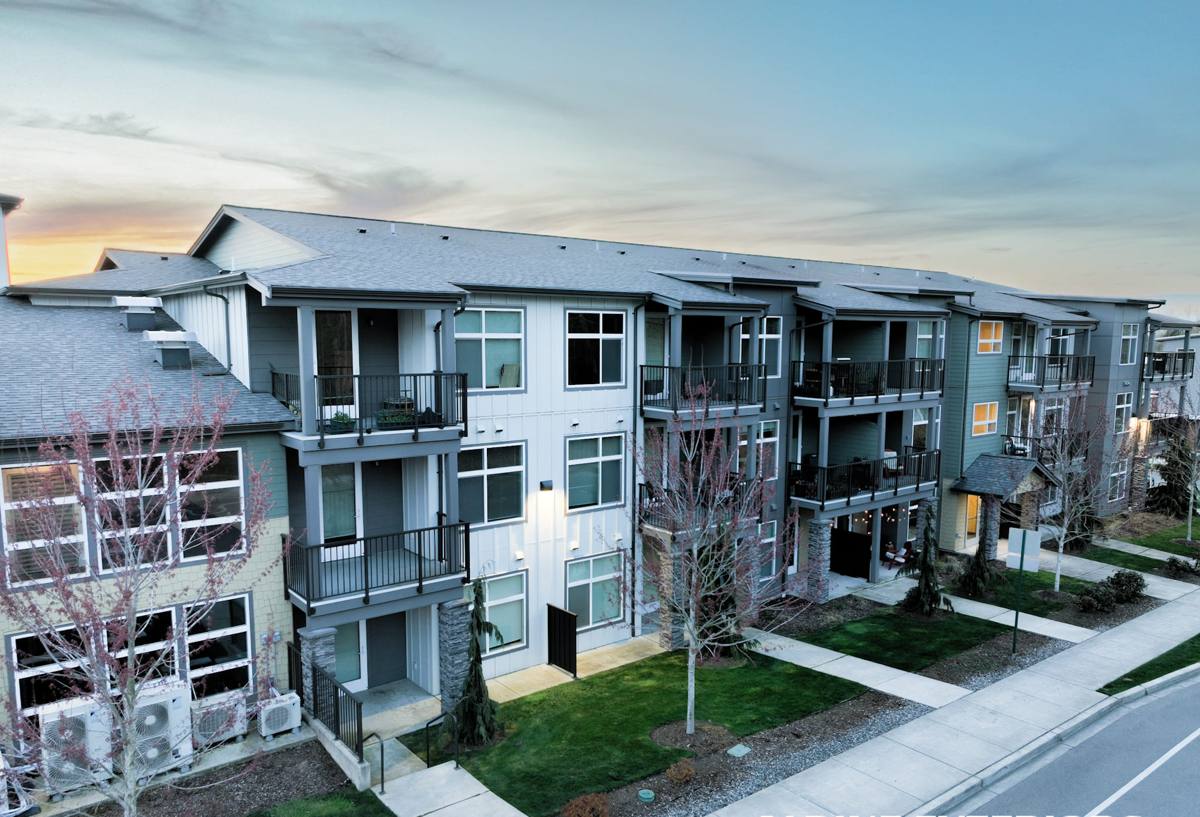
What's Actually Behind Most Siding Repair Calls in Blaine
Salt Air and Fastener Corrosion
Homes near the bay or harbor take a steady dose of salt-laden air, and it doesn't just affect the siding surface — it works on the fasteners and metal trim holding everything together. Corroded nails or staples lose their grip over time, which is why we sometimes find a section of siding that's loose or slightly bowed even though the panel itself looks fine. Left alone, that loosening lets wind get behind the siding and makes the next storm's damage worse than it would have been otherwise.
Wind-Driven Rain Finding Its Way In
Storms off the water rarely drop rain straight down on a Blaine house — wind pushes it sideways into seams, trim joints, and anywhere a fastener has backed out or a caulk line has failed. Most of the repair calls we get aren't from water coming through the siding material itself; they're from water finding a gap and working its way behind it. That distinction matters because it means the fix usually isn't "replace the panel," it's "find and correct the entry point," which sometimes is the panel and sometimes isn't.
A Moss Season That Barely Lets Up
Mild temperatures and near-constant moisture give moss a growing season that can run most of the year on shaded, north-facing walls, and Blaine's mix of open, water-facing lots and tree-sheltered ones means that pressure varies a lot from one side of a house to the other. Moss itself doesn't eat through fiber cement, but it holds moisture against whatever it's growing on, and on older or lower-grade siding materials that sustained dampness is often what finally turns a cosmetic problem into a structural one.
Repair or Replace? How We Make That Call
Not every damaged section needs to become a bigger project, and we don't default to recommending replacement just because it's a larger job. The honest answer depends on how much of the wall is affected, what we find once we get a damaged board off, and how the existing siding has held up overall.
| What We Find | What It Usually Means |
|---|---|
| One or two damaged boards, sheathing underneath still dry and sound | Targeted repair — remove, replace, reseal |
| Isolated storm damage (cracked or missing panels) with no wider moisture signs | Targeted repair, often straightforward |
| Soft or rotted sheathing spreading across multiple boards or a full wall section | A patch repair likely won't hold — this usually needs a larger scope |
| Siding older than 20-25 years with a history of repeat repairs in the same area | Full replacement is often more cost-effective than continuing to patch |
| Existing siding isn't James Hardie and is failing broadly, not just in one spot | Case-by-case — sometimes the affected wall is worth converting to Hardie during the repair |
On that last point: we install James Hardie fiber cement exclusively, so a repair on Hardie siding is a straightforward material match. A repair on an existing wall of vinyl, older wood, or another fiber cement brand is different — we can handle targeted fixes like refastening, resealing, or replacing a damaged section with compatible material, but if the damage is extensive or keeps recurring, we'll tell you plainly when patching the old material is just delaying a bigger job rather than solving it.
What a Correct Siding Repair Actually Involves
A repair that's done right addresses more than the visible damage. Before we call a job finished, it covers:
- Confirming the sheathing behind the damaged section is dry and sound before anything new goes up
- Removing damaged material cleanly, without disturbing or cracking the surrounding boards
- Matching the replacement material's profile, exposure, and color as closely as the existing siding allows
- Re-establishing proper house wrap and flashing overlap at the repair area, not just covering the gap
- Using corrosion-resistant fasteners at the correct spacing, especially given this area's salt exposure
- Sealing butt joints and trim transitions with a product rated for sustained moisture, not a quick caulk-and-go fix
Skipping any of those steps might make a repair look finished from the ground, but it doesn't necessarily make the wall behind it dry.
Common Repair Scenarios We See in Blaine
Storm-Damaged or Missing Panels
Wind off the water can crack, buckle, or fully dislodge a panel, sometimes taking trim with it. If the damage followed a storm, we can document what we find in a way that's useful if you end up filing a homeowner's insurance claim, and we'll flag anything nearby that looks like it's about to fail next.
Rot and Soft Spots Near Grade
Siding low on a wall, near grade or a downspout, sits closest to standing moisture and splashback, and it's often where we find the softest material on an inspection. Sometimes the siding itself is fine and the real issue is grading or drainage nearby pushing water against the wall — a repair that ignores that root cause tends to fail again.
Failed Caulking and Open Trim Joints
Caulk is a wear item, not a permanent seal, and salt air and UV exposure shorten its working life here compared to a drier inland climate. Open joints around windows, corner trim, and butt seams are one of the more common — and least expensive — repairs we make, but they're worth catching before they let water track behind the siding for a season or two unnoticed.
Corrosion Staining From Fasteners and Hardware
Rust streaks running down from a nail head or a piece of trim hardware are a visible sign of exactly the corrosion process salt air accelerates. Sometimes that's cosmetic; sometimes it means the fastener underneath has lost enough integrity that the board it's holding needs to be resecured or replaced.
How a Blaine Siding Repair Runs, Start to Finish
Inspection and Diagnosis
We start by looking at the damage itself and the area around it — is this isolated, or is it one visible symptom of a wider moisture problem working its way across the wall? That answer shapes everything that follows.
Matching Material and Color
For Hardie siding, we match the plank profile and ColorPlus color as closely as possible. It's worth setting honest expectations here: if the existing siding has been on the wall for several years, a brand-new panel next to sun-faded material may show a faint seam at first, the same way any factory-finished material will when new pieces meet weathered ones. It typically becomes far less noticeable as the new material weathers in.
Removal Without Collateral Damage
Fiber cement siding is installed in overlapping courses, so pulling one damaged board without cracking the boards above and below it takes a deliberate approach, not just prying it loose. Rushed removal is one of the more common ways a small repair turns into a bigger one.
Flashing, Sealing, and Fastening to Spec
Once the area is open, we check and correct the house wrap and flashing before closing it back up, then install the new material to James Hardie's fastening and clearance specifications — the same standard we'd use on a full installation, just applied to a smaller section of wall.
Walkthrough
We walk the finished repair with you, point out what we found and what we did about it, and flag anything nearby worth keeping an eye on going forward.
What Affects the Cost of a Siding Repair
| Factor | Why It Matters in Blaine |
|---|---|
| Number and location of damaged boards | Higher walls, trim-heavy areas, and water-facing sides take longer to access and match |
| Condition of the sheathing underneath | Hidden rot only becomes visible once the damaged siding comes off, and it adds scope |
| Color match against existing ColorPlus finish | Older, sun-faded siding may need a larger repair area to keep the transition subtle |
| Extent of nearby moss or moisture staining | Can signal a wider problem worth inspecting beyond the immediate repair |
| Access and proximity to open water | Water-facing walls near the bay or harbor sometimes need extra staging or scaffolding time |
These are general drivers, not a quote — every repair is specific to what we actually find on the wall, which is why we look at the property in person before putting a real number on the work.
Signs a Blaine Home Needs a Siding Repair Now
- A cracked, buckled, or missing panel, especially after a windstorm off the water
- Soft or spongy siding to the touch, particularly low on the wall or around trim
- Rust staining running down from fasteners or trim hardware
- Open or cracked caulk lines at window trim, corners, or panel joints
- Moss or dark staining that returns quickly in the same spot after cleaning
- A musty smell or staining on an interior wall that backs up to exterior siding
Any one of these is worth a look before the next stretch of wet weather turns a small fix into a bigger one.
Why a Local Repair Crew Matters in Blaine
Repair work rewards familiarity in a way new installation doesn't always demand — knowing which wall orientations in this town take the worst of the wind off the water, what a Blaine winter does to a caulk line versus one further inland, and how to match aging ColorPlus siding without overpromising on an exact blend. Working out of Lynden means we're back in this area regularly, not passing through once. If a repair needs a follow-up, or a maintenance question comes up down the line, it's a call to a crew that's still working the same streets, not one that's moved on to a different part of the state.
If your Blaine home has damaged, loose, or failing siding, we're glad to take a look and give you a straightforward, no-pressure estimate on what it actually needs. Reach out using the form below to get started.