 Lynden Roofing
 Abbotsford Homes Face a Tougher Climate Than Most Siding Is Built For
Abbotsford sits in a stretch of the Pacific Northwest where the weather doesn't do a house any favors. Winters bring long stretches of driving, wind-blown rain that hits siding sideways instead of straight down. Humidity stays high enough, long enough, that north-facing walls and shaded corners grow moss for months at a time. Add in the salt-tinged marine air that moves through the region and you've got a climate that's constantly testing whatever material is on the outside of a house.
Most siding products were engineered for a national market — hot, dry summers in one state, freeze-thaw cycles in another. Very few were built specifically with this kind of sustained wet-cold-damp cycle in mind. That distinction matters more than most homeowners realize when they're comparing siding options, and it's the reason we've standardized on one product system rather than offering everything on the market.
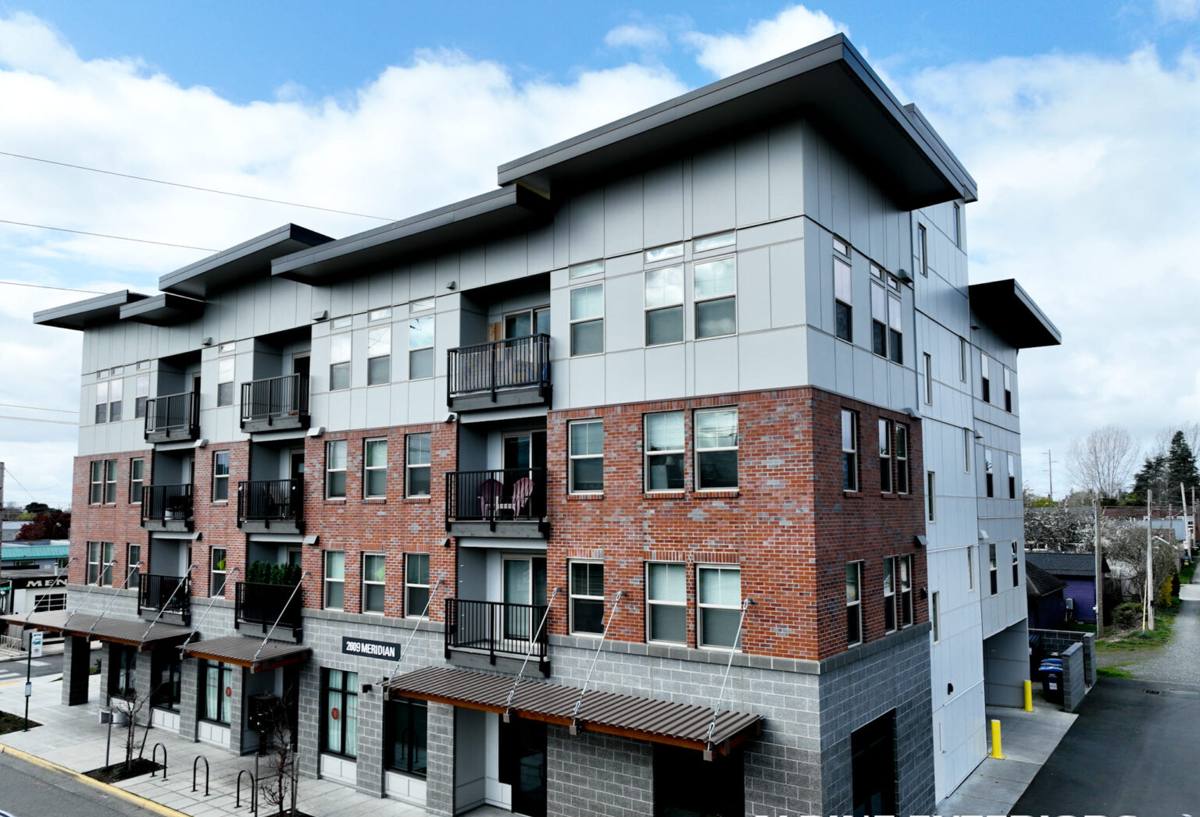
What James Hardie Siding Does Differently
James Hardie fiber cement siding is made from cement, sand, and cellulose fibers, pressed and cured into planks and panels that don't absorb water the way wood-based products do, and don't expand and contract the way vinyl does in temperature swings. For a climate like Whatcom County and the Fraser Valley share, that matters in three specific ways:
- It doesn't rot. Fiber cement has no organic wood fiber for moisture to break down over time, unlike primed spruce or cedar.
- It holds its shape. Vinyl siding can warp, buckle, or crack in cold snaps and heavy wind events; fiber cement is dimensionally stable across the temperature range this area actually sees.
- It's non-combustible. Not a climate factor specifically, but a real one for regional wildfire smoke and ember exposure in dry summer stretches.
Built for Wet, Not Just Painted to Look Good
James Hardie makes region-specific product lines, and for areas with sustained moisture exposure like this one, that means specifying the HZ5 line engineered for wetter, colder climates — not a generic version of the product. The factory-applied ColorPlus finish also matters here specifically: it's baked on and warrantied against fading and flaking, which counts for a lot on a house that spends half the year under grey, damp skies where a chalky, fading finish becomes very visible very fast.
The Products We Won't Install — and Why
We get asked regularly about vinyl, LP SmartSide, cedar, and other fiber cement brands. We don't install any of them, and we think homeowners deserve the honest reasoning rather than a sales pitch.
Vinyl siding is inexpensive and easy to install, but it's a thin plastic product that flexes, fades, and can crack in cold weather — and once it's damaged, matching an older color is often impossible. In a climate with this much sustained moisture and temperature swing, it's simply not the product we want our name attached to.
LP SmartSide and similar engineered wood products perform reasonably well when installation and maintenance are perfect, but they're still wood-fiber based, meaning moisture is the one thing they can't fully tolerate over decades. In a region where wet weather isn't the exception but the default half the year, that's a real long-term liability, not a hypothetical one.
Cedar and primed spruce look beautiful new, but they demand a maintenance schedule most homeowners underestimate — recoating, caulking, and moisture inspection on a strict cycle — and moss and mildew take hold fast on natural wood in shaded, damp areas exactly like the ones common on Abbotsford lots.
None of these are bad products in the abstract. They're just not the right fit for this specific climate, and we'd rather install one product well than install several products with an asterisk attached to each one.
What a Correct James Hardie Installation Actually Involves
Fiber cement siding is only as good as the installation behind it. In a wet climate, the details that get skipped on a rushed job are exactly the details that cause problems five or ten years later.
The Details That Determine Whether Siding Lasts 10 Years or 40
- Rainscreen gap: A ventilated air gap behind the siding lets any moisture that does get past the exterior surface dry out instead of sitting against the wall sheathing.
- Flashing at every penetration: Windows, doors, and any wall-mounted fixture need proper flashing and house wrap integration — this is where most water intrusion actually starts.
- Correct fastener pattern and spacing: James Hardie publishes specific nailing and clearance requirements; skipping them voids the manufacturer's warranty even if the siding looks fine on installation day.
- Proper clearance at grade and roofline: Siding installed too close to the ground, a deck, or a roof surface traps moisture against the bottom edge — a common failure point we see on older installs in this area.
- Factory-cut edges sealed on site cuts: Any field cut needs to be primed and sealed before installation, not left raw.
Skipping any one of these doesn't show up as a problem on day one. It shows up two, five, or eight winters later, usually as staining, soft spots, or paint failure at a specific seam or corner — and by then it's a repair job, not a five-minute fix.
Our Process on an Abbotsford Job
- On-site assessment. We walk the full exterior, check current siding condition, identify moisture-prone areas (north walls, shaded corners, areas near grade), and note any sheathing or trim damage that needs addressing before new siding goes up.
- Written estimate. Clear scope, product lines and colors, and a real timeline — no vague allowances.
- Prep and repair. Any compromised sheathing, trim, or house wrap gets fixed before a single piece of Hardie board goes on. Covering up an existing moisture problem with new siding just hides it.
- Installation to manufacturer spec. Rainscreen, flashing, fastening, and clearances done to James Hardie's published requirements, not shortcuts.
- Final walkthrough. We review the finished job with you directly, seam by seam, before calling it done.
Comparing Your Siding Options for This Climate
| Factor | James Hardie Fiber Cement | Vinyl | Cedar / Wood | LP SmartSide |
|---|---|---|---|---|
| Moisture resistance | Excellent — non-organic material | Good, but seams can leak | Poor without strict upkeep | Moderate — wood-fiber based |
| Maintenance | Low — repaint cycle much longer | Low, but limited repair options | High — regular sealing/staining | Moderate — moisture monitoring needed |
| Cold/wind stability | High — won't warp or crack | Can crack or buckle in cold snaps | Moves with moisture and temperature | Generally stable if sealed properly |
| Fire resistance | Non-combustible | Melts/deforms under heat | Combustible | Combustible |
| Typical lifespan (installed to spec) | 30-50+ years | 20-30 years | 20-30 years with upkeep | 20-30 years |
Cost Factors Homeowners Should Actually Weigh
James Hardie siding isn't the cheapest material up front, and we won't pretend otherwise. What we will say is that the real cost of siding is what you pay over the life of the house, not just the invoice on install day.
- Material cost: Fiber cement runs higher upfront than vinyl, comparable to or less than quality cedar.
- Labor: Correct installation takes more time than stapling up vinyl panels — that labor is what protects the warranty and the performance.
- Repaint/refinish cycle: ColorPlus factory finish is designed to go far longer between repaints than field-painted wood or fading vinyl.
- Repair frequency: Moisture-related repairs on wood or poorly-installed products tend to show up mid-life, not at the end — that's an unplanned cost most people don't budget for.
- Resale impact: Fiber cement siding is widely recognized by buyers and appraisers as a durable, low-maintenance exterior, which tends to hold value better than aging vinyl or wood.
Reducing Moss and Moisture Issues Between Services
Even the right siding benefits from basic seasonal attention in a climate this wet. A few habits go a long way:
- Keep gutters clear so water isn't sheeting down the wall face during heavy rain
- Trim back vegetation and tree cover that keeps shaded walls damp and encourages moss growth
- Rinse siding annually, especially north-facing and shaded sections, before moss gets a foothold
- Check caulking at trim, window, and door joints yearly — caulking fails well before the siding does
- Watch for soft spots, staining, or paint changes near grade level, decks, and roof-to-wall intersections
Why a Crew That Knows Abbotsford Matters
Siding performance in this region isn't theoretical — it's determined by how a house sits relative to prevailing wind and rain direction, how much shade it gets, and how exposed it is to the kind of sustained wet weather that defines a Pacific Northwest winter. A crew that works this area regularly recognizes which walls and details need extra attention before problems start, instead of learning it after a callback. We install one product system because we've seen what holds up here and what doesn't, and we'd rather stand behind fewer products done right than a catalog of options with mixed results.
If your Abbotsford home needs new siding, or you're evaluating whether your current siding is holding up the way it should, we're happy to take a look and walk you through what we see — honestly, with no pressure to sign anything on the spot. Reach out for a free estimate using the form below.