 Lynden Roofing
 Deck Repair for Abbotsford, BC Homes
Abbotsford sits just across the line from Whatcom County, and the homes here deal with the same wet, mild winters and long shoulder seasons that we see on our side of the border. That means decks in Abbotsford take a beating from the same sources: driving rain that finds its way into every joint and fastener hole, salt-laden coastal air that speeds up corrosion on metal hardware, and a moss and algae season that can run from October through April. A deck that looks fine from the porch door can be quietly rotting from the underside, and by the time it's visibly sagging or soft underfoot, the damage is usually further along than most homeowners expect.
We're a Lynden-based crew that already works this area, and deck repair is one of the calls we get most often once the rain sets back in. This page covers what actually goes wrong with decks out here, what a proper repair looks like, and how our process works for Abbotsford homeowners.
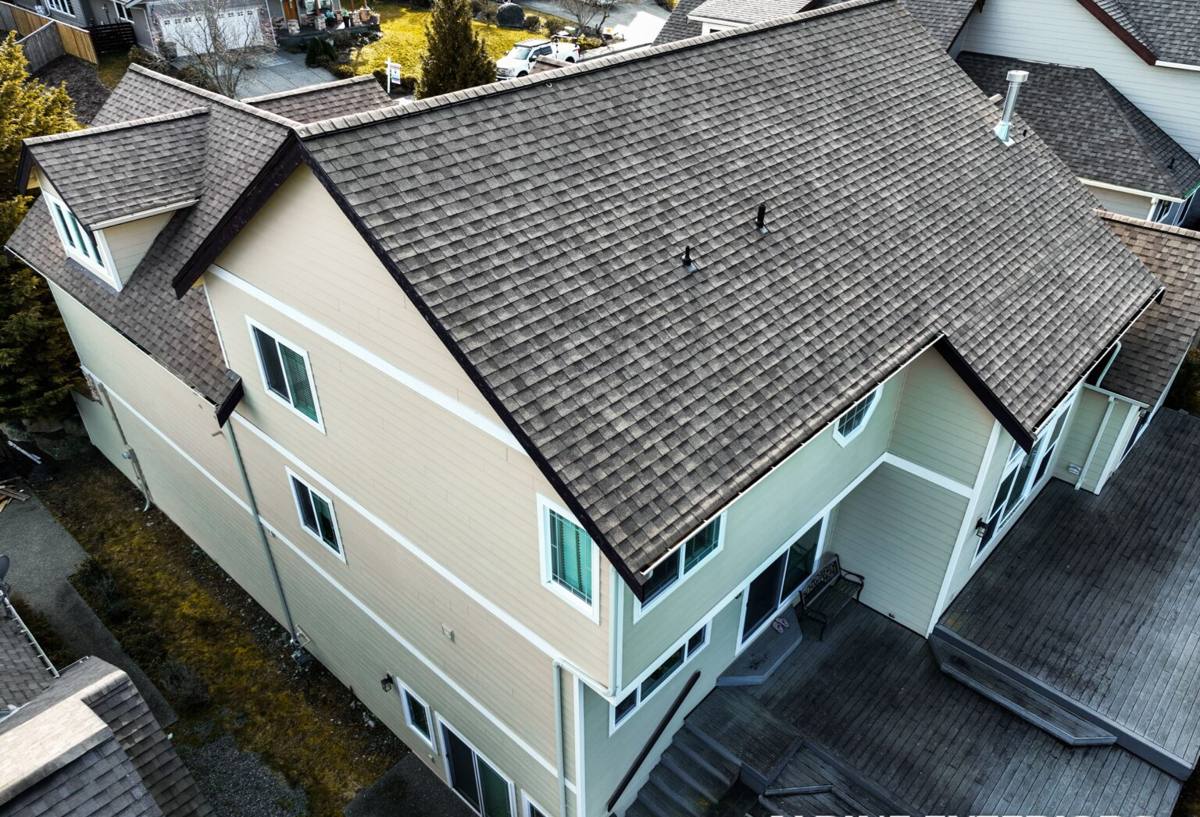
How This Climate Wears Down a Deck
Moisture That Never Really Dries Out
The core problem with decks in this region isn't any single storm — it's the fact that wood, fasteners, and ledger connections rarely get a long enough dry stretch to fully recover between rain events. Water works into end grain, screw holes, and the seams where boards meet joists, and it stays there. Over months and years, that trapped moisture is what causes rot, not the occasional downpour.
Moss, Algae, and Trapped Debris
Decks that sit under tree cover or get partial shade for most of the day grow moss and algae readily in this climate. Beyond being slippery underfoot, a moss layer holds water against the board surface far longer than bare wood would, which accelerates surface rot and can mask deeper problems until a board finally gives way.
Corrosion on Fasteners and Hardware
Coastal-influenced air moves through the Fraser Valley, and that salt content shortens the life of standard fasteners, joist hangers, and railing hardware. Once a screw or bracket starts rusting, it loses holding strength well before it looks obviously bad, which is one reason a deck can feel solid right up until it isn't.
Signs Your Deck Needs Repair — Not Just a Cleaning
Some deck problems are cosmetic and some are structural. Knowing the difference matters, because pressure-washing over a structural issue just hides it for another season. Walk your deck and check for these:
- Boards that feel spongy, springy, or noticeably softer than the boards around them
- Gaps or soft spots where the deck meets the house (the ledger board area is a common failure point)
- Railings or posts that wobble, even slightly, when pushed
- Rust streaks running down from screw heads or metal connectors
- Persistent green or black staining that comes back within weeks of cleaning
- Stair stringers that flex or creak under normal walking weight
- Visible daylight or gaps where flashing should be sealing the ledger to the house
- A musty smell coming from underneath the deck, especially after rain
Any one of these on its own might be minor. Two or more together, especially involving the ledger board or stairs, usually means it's time for an actual inspection rather than another round of cleaning.
What a Correct Deck Repair Actually Involves
Framing and Structure First
Before anything about the deck's surface gets touched, the framing underneath needs to be sound. That means checking joists, beams, and posts for rot and confirming the ledger board — the piece bolted to the house that carries a huge share of the deck's load — is properly flashed and fastened. A repair that replaces pretty boards on top of a compromised frame is a repair that fails again within a couple of seasons.
Decking Boards and Fasteners
Individual board replacement only works if the rot hasn't spread into the joists they're attached to. We replace fasteners with corrosion-resistant hardware suited to this climate rather than reusing whatever was there, since mismatched or degraded fasteners are often what let the problem start in the first place.
Railings, Stairs, and Guard Posts
Railing posts anchored into a rotted rim joist are a safety issue, not just a cosmetic one. Any repair that touches railings or stairs gets checked for proper post attachment and stringer condition, not just tightened hardware.
Drainage and Airflow Underneath
A big part of preventing repeat problems is making sure water actually leaves the deck instead of pooling under it. That can mean adjusting board spacing, clearing blocked airflow paths, or correcting grading issues that push water back toward the house.
Repair vs. Replace: What Actually Drives the Decision
Homeowners often assume any rot means a full teardown, but that's not usually true. The table below covers the factors that actually determine whether repair makes sense or a rebuild is the more honest recommendation.
| Factor | Leans Toward Repair | Leans Toward Replace |
|---|---|---|
| Extent of rot | Isolated to a few boards or one section | Spread through multiple joists or the ledger |
| Age of structure | Framing is under 15-20 years old and sound | Original frame is old, undersized, or previously repaired |
| Railing/post condition | Solid attachment points, cosmetic wear only | Loose posts tied to rotted rim joists |
| Code/safety gaps | Structure meets current baseline safety needs | Spacing, height, or attachment doesn't meet current standards |
| Typical cost range | Low hundreds to a couple thousand dollars | Several thousand dollars and up, depending on size |
These are general guidelines, not a substitute for an actual look at your deck — a deck that seems like a clear "repair" case from the surface can turn into a replacement recommendation once we're under the boards, and we'll always tell you honestly which situation you're in before any work starts.
Our Process for Abbotsford Deck Repair
Working across the border is routine for us — Abbotsford is a short drive from Lynden, and we handle jobs on both sides regularly. Our process for a deck repair call looks like this:
- Inspection. We get under the deck as well as walk the surface, checking framing, ledger attachment, and fastener condition, not just the boards you can see from above.
- Honest scope and estimate. You get a clear breakdown of what's structural versus cosmetic, and what repair versus replacement would actually cost, before we touch anything.
- Repair work. We match materials and fasteners to what the rest of the deck needs to hold up long-term in this climate, not just whatever's cheapest to install.
- Cleanup and walkthrough. We check every repaired area with you before calling the job done, including railings and stairs if those were part of the scope.
Any paperwork or coordination that comes with working across the border on your property is something we handle as part of the job — it's not something you need to manage on your end.
Why Hiring a Crew That Already Works This Area Matters
A contractor who's worked in and around Abbotsford already knows what this region's rain and moss cycle does to a deck over time, instead of learning it on your project. That familiarity shows up in small but real ways: knowing which failure points to check first, knowing which materials actually hold up locally versus what looks good on paper, and not needing a learning curve on cross-border logistics that can slow other contractors down. It also means we're not a one-time crew that disappears after the invoice — if something about the repair needs a follow-up look, we're not far away.
Maintaining Your Deck After a Repair
A repaired deck still needs seasonal attention to actually last in this climate. A few habits go a long way:
- Clear leaves and debris from between boards before they trap moisture over winter
- Rinse off moss and algae buildup as soon as you notice it, rather than waiting until spring
- Check railings and stair connections for movement once or twice a year
- Keep gutters and downspouts near the deck clear so runoff isn't draining onto it
- Reseal or refinish wood decking on the schedule the product actually calls for, not just when it looks faded
None of this replaces a proper inspection every few years, but it does buy real time between repairs.
If you're seeing soft spots, rust stains, or a railing that's started to wobble, it's worth getting an honest look before another wet season sets in. We offer free, no-pressure estimates for deck repair in Abbotsford — use the form below and we'll get back to you.