 Lynden Roofing
 Windows in Acme Have to Work Harder Than Most
Acme sits in a stretch of Whatcom County where the weather doesn't do things halfway. You get salt-tinged air drifting in off the Sound, long stretches of driving rain that comes in sideways more often than straight down, and a moss season that seems to start earlier and last longer every year. All of that lands directly on your windows — not just the roof and siding. Frame materials, seal quality, and flashing details that would be fine in a drier climate start showing their weaknesses here within a few seasons.
We've been doing exterior work throughout Lynden and the surrounding Whatcom County communities long enough to know that a window job done for Acme conditions looks a little different than one done for a drier inland town. This page is about what that actually means — not marketing language, just what we've learned installing and repairing windows in this specific corner of the county.
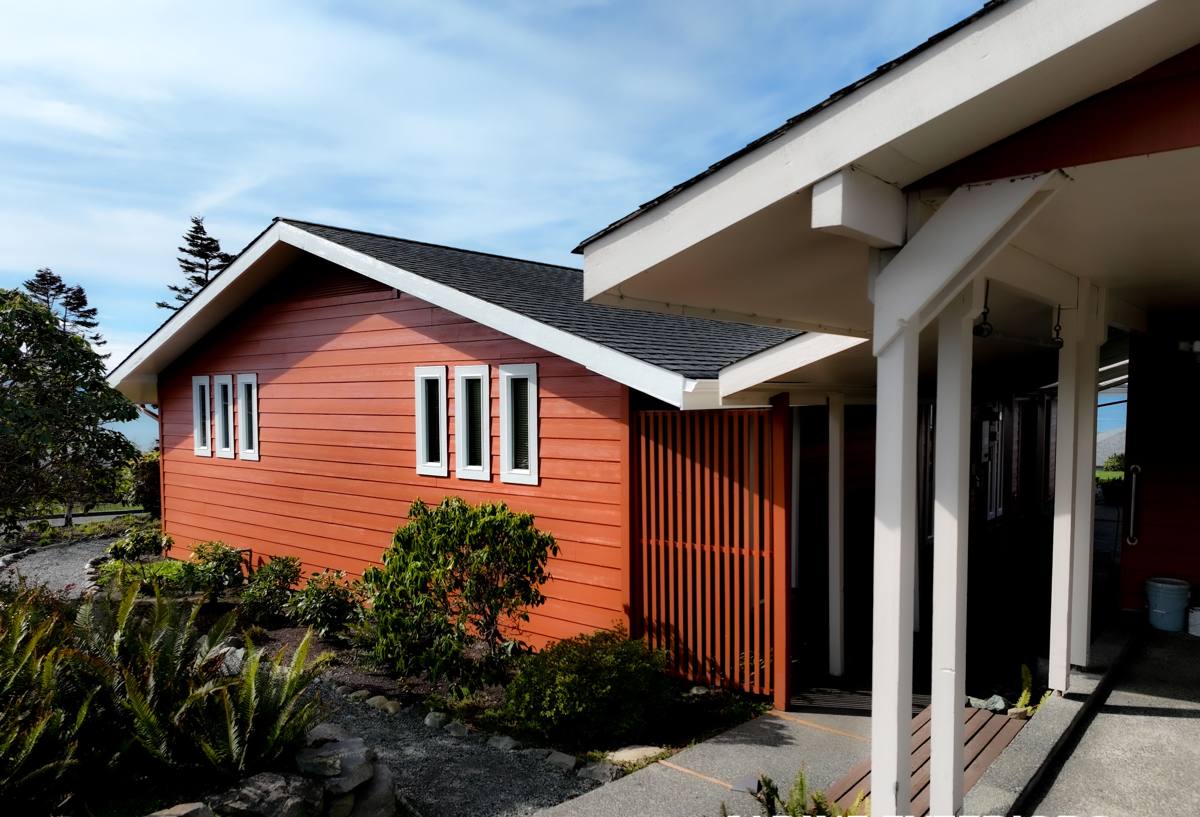
What the Local Climate Actually Does to a Window
Moisture Intrusion
Whatcom County gets a lot of rain, and Acme's position near the foothills means storms often arrive with wind behind them. Rain that's driven horizontally finds every weak point in a window installation — poor flashing, degraded sealant, or a frame that was never properly integrated with the wall's water-resistive barrier. Once water gets behind a window, it doesn't dry out quickly in our climate. It sits in wall cavities and rots sheathing and framing from the inside, often long before anyone notices a problem indoors.
Salt Air and Corrosion
Even well inland from the water, salt-laden air moves through this region and settles on exterior surfaces. Over years, that accelerates corrosion on lower-grade metal hardware — hinges, locks, balance systems, and screws that aren't rated for coastal exposure. A window that operates smoothly the first year can start sticking or seizing up within five or six years if the hardware wasn't built for this kind of air.
Moss, Algae, and Sill Buildup
Our long wet season and shaded lots (common on wooded Acme properties) create ideal conditions for moss and algae to take hold on horizontal surfaces — including window sills, exterior trim, and the tops of frames. That buildup holds moisture against wood and painted surfaces far longer than they're designed to tolerate, which speeds up rot and paint failure around the window opening.
Signs an Acme Home's Windows Need Replacing, Not Just Repair
- Soft or spongy wood trim or sill when pressed with a finger
- Visible gaps between the frame and siding, or cracked/missing caulk that hasn't been maintained
- Persistent fogging or condensation between panes of double-glazed units (a sign the seal has failed)
- Windows that are difficult to open, close, or lock — often a sign of corroded or swollen hardware
- Drafts you can feel near the frame even with the window fully closed and locked
- Visible moss or dark staining building up on the sill or lower frame
- Peeling or bubbling paint concentrated around the window opening rather than the whole wall
Not every one of these means full replacement is the only option — some are repairable. But when you see two or more together, especially soft wood combined with drafts or seal failure, it usually means water has already gotten into the framing, and repair becomes a temporary fix rather than a real solution.
What a Correct Installation Involves Here
A window replacement in Acme's conditions is only as good as what happens before the new unit ever gets set in the opening. The frame, the flashing, and the seal against the wall matter more than the window itself in a climate like ours.
The Opening
Once the old unit is out, we inspect the framing and sheathing for hidden rot or moisture damage. This is often where a homeowner learns the real reason their windows were failing — not the glass, but water damage in the wall cavity that had been building for years. Any compromised material gets addressed before a new window goes in; setting a new unit into a damaged opening just resets the clock on the same problem.
Flashing and Water Management
Proper flashing directs any water that gets past the window's exterior seal back out and away from the wall, rather than letting it pool behind the siding. In a region with our rainfall and wind-driven storms, this step is not optional detailing — it's the difference between a window that lasts decades and one that causes a rot problem in five years.
Sealing and Insulation
The gap between the window frame and the rough opening gets properly insulated and sealed, both for energy performance and to keep moist air from condensing inside the wall cavity. Exterior caulking has to be applied correctly and to materials that will actually bond and flex through our wet-to-dry seasonal swings.
Choosing Materials That Hold Up to Acme's Conditions
We steer homeowners toward window materials and hardware finishes that are known to perform well under sustained moisture and salt exposure, rather than options that look fine in a showroom but struggle outdoors here. That's a matter of our own installation standards and long-term callback experience, not a knock on any particular manufacturer.
| Frame Material | How It Handles Local Conditions | Maintenance Expectation |
|---|---|---|
| Vinyl | Resists moisture and corrosion well; consistent performance in wet climates | Low — occasional cleaning |
| Fiberglass | Very stable dimensionally, holds paint and finish well through wet/dry cycles | Low — periodic inspection of seals |
| Wood (clad exterior) | Good insulation and appearance; exterior cladding protects wood from direct moisture | Moderate — watch cladding seams and sills |
| Bare Wood | Attractive but vulnerable without diligent upkeep in high-moisture, mossy areas | High — regular painting/sealing needed |
| Aluminum (non-thermally-broken) | Prone to condensation and corrosion in coastal-influenced air over time | High — hardware and seals need close monitoring |
We also pay attention to hardware quality specifically. A window with a good frame but bargain-grade hinges and locks will start failing at the hardware long before the frame itself gives out in this climate.
Our Process for an Acme Window Replacement
- On-site assessment — We look at each window opening individually, check for existing moisture damage, and discuss which units genuinely need replacement versus repair.
- Honest scope and estimate — You get a clear picture of what's involved, including any framing repair that shows up once old windows come out, before work begins.
- Removal and opening inspection — Old units come out carefully, and we inspect the framing and sheathing before anything new goes in.
- Repair as needed — Any rot or damaged material gets addressed so the new window isn't installed into a compromised opening.
- Flashing and installation — New windows are set with proper flashing and water management appropriate for our rainfall and wind exposure.
- Sealing, insulation, and finish work — Interior and exterior sealing, trim, and finish details are completed to match the rest of the home.
- Final walkthrough — We check operation, seals, and finish with you before calling the job done.
Cost Factors Worth Understanding
Every home is different, so we won't quote a number without seeing the actual openings, but a few things consistently drive cost up or down on Acme projects:
| Factor | Why It Matters |
|---|---|
| Hidden framing damage | Rot found once old windows are removed adds repair scope not visible during the initial walkthrough |
| Frame material chosen | Vinyl and fiberglass typically cost less upfront than clad wood; long-term maintenance differs too |
| Window size and configuration | Larger units, bays, or custom shapes cost more than standard single or double-hung sizes |
| Number of openings | Whole-home replacement usually has a lower per-window cost than doing a handful at a time |
| Access and height | Second-story or hard-to-reach openings take more labor time and setup |
We'd rather tell a homeowner up front that a repair might make more sense for a few years than push a full replacement that isn't needed yet. If the framing is sound and it's really just a seal or hardware issue, we'll say so.
Why It Matters to Hire a Crew That Already Works in Acme
Window replacement isn't a one-size-fits-all trade. A crew that mostly works in dry, low-wind regions may not think twice about flashing details or hardware corrosion resistance, because it's never bitten them. Working throughout Lynden and Whatcom County day in and day out means we see the actual failure patterns — which sills rot first, which hardware corrodes early, which flashing shortcuts come back to bite homeowners in a few years. That experience shapes how we approach every opening, not just the sales pitch.
We're also familiar with the practical side of working in this area — wooded lots, seasonal weather windows for exterior work, and the kind of moisture-driven damage that shows up specifically in homes exposed to Whatcom County's coastal-influenced climate.
Get a Straightforward Estimate
If your Acme home's windows are showing drafts, fogging, sticking hardware, or soft trim, it's worth getting a second set of eyes on them before the next wet season adds to the damage. We offer free, no-pressure estimates and will tell you honestly whether you're looking at repair or replacement. Use the form below to get started.