 Lynden Roofing
 Roof Replacement in Sumas: Built for This Corner of Whatcom County
Sumas sits right up against the Canadian border in the low-lying river valley that runs through northern Whatcom County, and that location comes with a specific set of roofing challenges. The same marine-influenced weather system that soaks the rest of the county pushes moisture-heavy air across Sumas nearly year-round, and the valley's tree cover and shade keep roofs damp longer after every storm. A roof replacement here isn't just about swapping old shingles for new ones — it's about building a roof system that can shed water fast, resist moss and algae, and hold up to wind-driven rain season after season.
We've replaced roofs across Lynden and the surrounding Whatcom County communities long enough to know that a roof designed for a drier climate, or installed without the right ventilation and underlayment details, tends to fail early out here. This page covers what Sumas homeowners specifically need to know before replacing a roof.
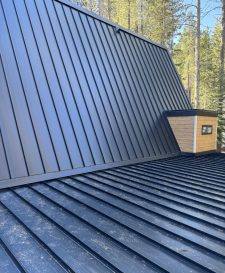
What Local Weather Does to a Roof Over Time
Driving Rain and Wind-Driven Moisture
Storms moving through this part of Washington rarely fall straight down. Wind pushes rain sideways into roof edges, valleys, and anywhere flashing meets a wall or chimney. Over years, that wind-driven moisture finds its way under shingles that were installed with minimal underlayment or loose flashing details, leading to slow leaks that show up as stains long after the water actually got in.
Moss, Algae, and a Long Growing Season
Shaded, moisture-retaining valley conditions around Sumas mean moss and algae have a long window to establish themselves on a roof — often longer than in more open, sun-exposed parts of the county. Moss holds water against the roofing surface, works its way under shingle tabs, and lifts them just enough to let wind and rain in. A roof that isn't detailed to shed moisture quickly will grow moss faster than one that is, regardless of the shingle brand on it.
Marine Air and Metal Fatigue
Whatcom County's proximity to Puget Sound means the marine air mass that moves through the region carries persistent moisture even well inland. That damp air is harder on exposed metal — flashing, fasteners, and vents — than a dry climate would be, which is why we pay close attention to the metal components of a roof system, not just the shingles.
Signs a Sumas Roof Is Ready for Replacement
Roofs rarely fail all at once. The signs usually build for a season or two before a homeowner notices a leak. Worth checking for:
- Shingles that are cupping, curling at the edges, or missing granules in patches
- Moss or dark streaking that comes back within months of being cleaned
- Soft spots or sagging when walking the roof, or spongy decking felt from inside the attic
- Daylight visible through the roof deck from inside the attic
- Flashing around chimneys, skylights, or wall intersections that's rusted, lifted, or loose
- Granules collecting in gutters, a sign the shingles are past their protective life
- A roof that's 20+ years old, regardless of how it looks from the ground
Any one of these on its own doesn't always mean full replacement — but a combination, especially on a roof that's already had a few winters of heavy driving rain, usually does.
What a Correct Roof Replacement Actually Involves
Full Tear-Off and Deck Inspection
We don't install new roofing over old layers. A full tear-off lets us see the actual condition of the decking underneath — rot, soft spots, and old leak damage don't show up until the old material is off. Any damaged decking gets replaced before anything new goes down; skipping this step is one of the most common reasons a "new" roof still leaks within a few years.
Underlayment and Ice-and-Water Protection
Given how much wind-driven rain this area sees, we use a synthetic underlayment across the full roof rather than the bare minimum, and self-adhering ice-and-water barrier at eaves, valleys, and any roof-to-wall transitions where moisture is most likely to find a way in. This is the layer that keeps a roof dry when wind pushes water uphill under the shingles — it matters more here than it would in a drier region.
Ventilation That Actually Works
A roof that traps warm, moist attic air underneath it will sweat from the inside, which accelerates decking rot and encourages moss growth from below as well as above. Balanced intake and exhaust ventilation is part of every replacement we do — not an upsell, just a requirement for the roof to last in this climate.
Flashing and Detail Work
Chimneys, skylights, dormers, and wall intersections are where most leaks start. We install new flashing at every one of these transitions rather than reusing old pieces, and take extra care on valleys, which take the brunt of driving rain runoff.
Choosing Materials for a Sumas Roof
Most homes in this area are well served by a quality architectural asphalt shingle, but the right choice depends on the home's exposure, roof pitch, and how much shade and moss pressure the property deals with.
| Material | How It Handles This Climate | Maintenance Consideration |
|---|---|---|
| Architectural asphalt shingle | Strong wind and rain performance when properly installed; widely available warranty support | Benefits from periodic moss treatment in shaded, damp locations |
| Metal roofing | Sheds water and moss buildup very effectively; long service life | Fasteners and flashing need correct detailing to resist damp-air corrosion over time |
| Cedar shake | Traditional look, but holds moisture longer in shaded, moss-prone conditions | Higher upkeep burden in this specific climate; we're honest about that trade-off upfront |
We'll talk through these trade-offs based on your specific roof and property rather than pushing one option — the right material depends on your home's shade exposure and how much upkeep you want to take on.
Our Roof Replacement Process
- On-site inspection and honest assessment of whether repair or full replacement makes sense
- Written estimate covering material options, scope, and timeline — no vague allowances
- Full tear-off with decking inspection and any necessary repairs
- Underlayment, ice-and-water barrier, and ventilation installed to spec
- New shingles or roofing material installed with new flashing at every transition
- Final walkthrough and cleanup, including magnetic sweep for stray fasteners
We keep homeowners informed at each stage, especially around weather timing — we don't tear off more roof than we can dry-in before the next front moves through.
What a Replacement Typically Costs
Every roof is different, but the biggest cost drivers on a Sumas replacement are usually the same handful of factors:
| Factor | Why It Affects Cost |
|---|---|
| Roof size and number of stories | More square footage and steeper access both add labor time |
| Roof complexity (valleys, dormers, chimneys) | Each transition needs custom flashing work |
| Decking condition | Rot or soft spots found during tear-off require repair before new roofing goes on |
| Material choice | Asphalt, metal, and cedar carry different material and labor costs |
| Ventilation and code upgrades | Older homes sometimes need ventilation added to meet current standards |
We won't quote a number without seeing the roof first, but we'll always explain what's driving the cost so there are no surprises once tear-off starts.
Why Hiring a Crew That Already Works in Sumas Matters
A roofing crew that mostly works drier climates or unfamiliar terrain can miss the details that matter here — the extra underlayment coverage, the ventilation balance, the flashing that has to hold up against sideways rain rather than just rain falling straight down. Working regularly in Lynden, Sumas, and the rest of Whatcom County means we're replacing roofs in these exact conditions on a routine basis, not adapting a generic approach to a climate we don't normally deal with. That familiarity shows up in fewer callbacks and roofs that actually perform the way they're supposed to through a full Pacific Northwest winter.
After the Replacement: Keeping It Performing
A correctly installed roof still benefits from basic upkeep in this climate. Keeping gutters clear so water doesn't back up under the eaves, having moss growth addressed before it spreads, and getting an occasional visual check after major windstorms will extend the life of any roof system we install. We're happy to walk homeowners through a simple maintenance schedule after the job is done.
If you're weighing a roof replacement for a Sumas home, we're glad to take a look and give you a straight answer on what your roof actually needs. Use the form below to request a free, no-pressure estimate.