 Lynden Roofing
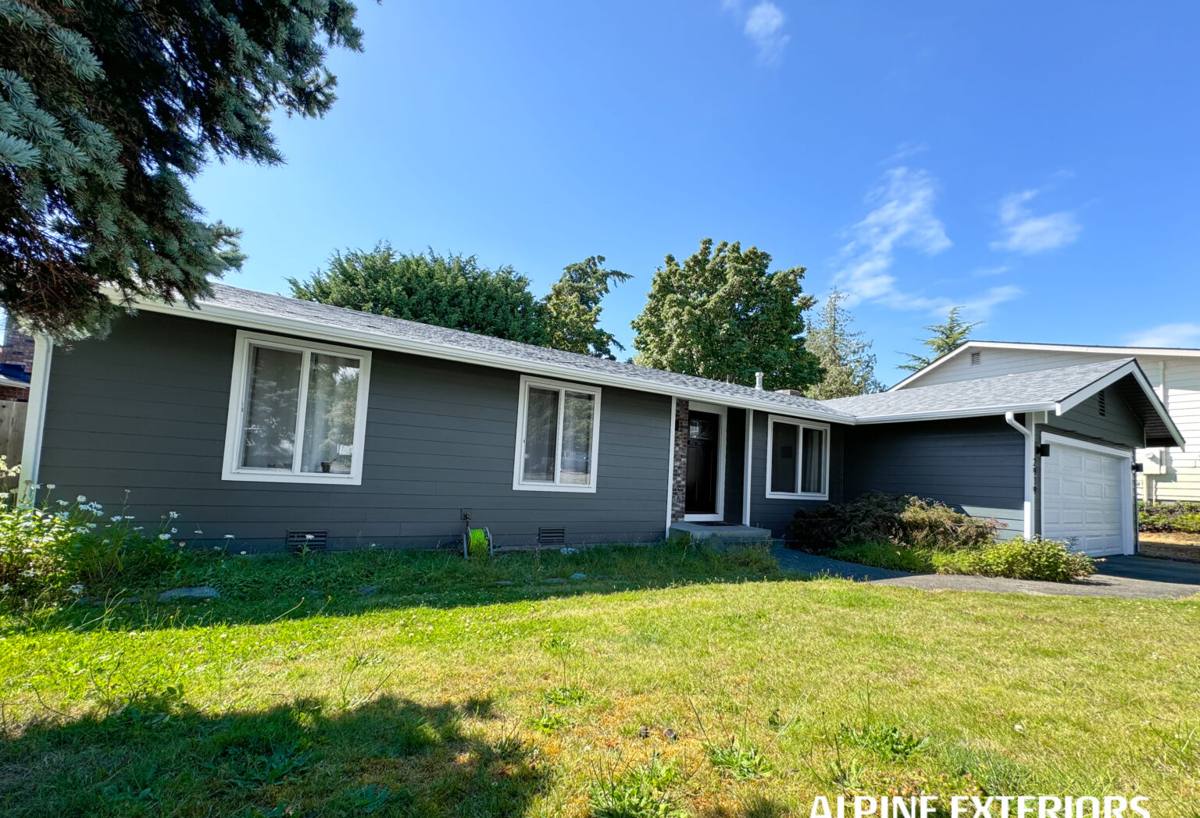
 Blaine's Coastal Climate Puts Extra Stress on Siding
Blaine sits right against the water at the top of Whatcom County, and that location shapes how siding ages there. Homes near Drayton Harbor and the Semiahmoo shoreline take on a steady dose of salt-laden marine air, and the same weather systems that bring that air off the water also push driving, wind-angled rain into walls instead of letting it fall straight down. Add in the shade and dampness that keep moss and algae active for most of the year in this part of Washington, and you get a climate that is genuinely tougher on exterior cladding than many siding products were designed to handle.
None of this is unique to Blaine, but it is more pronounced there than a few miles inland in Lynden. Coastal exposure accelerates corrosion on fasteners and metal trim, keeps wood-based products damp longer between dry spells, and puts real demands on whatever finish is protecting the siding surface. A product or installation method that performs fine on a sheltered inland lot can fail years earlier on a home exposed to the wind and salt coming off the water.
What Siding Actually Has to Do Here
Salt Air and Corrosion
Salt air is corrosive to anything metal that is not properly rated for it. Fasteners, flashing, and trim hardware that are not stainless steel or otherwise coated for coastal exposure will rust, and rusting fasteners work loose, stain the siding face, and open small gaps where water gets behind the cladding. This is one of the most common, most preventable failure points we see on coastal Whatcom County homes, and it comes down to whether the installer used the right hardware in the first place.
Wind-Driven Rain
Wind-driven rain does not behave like ordinary rainfall. It gets pushed up under laps, into butt joints, and around penetrations that would stay dry in a calmer climate. That means the water-resistive barrier behind the siding, the flashing at windows and doors, and the drainage gap behind the cladding all matter more here than in a drier, more sheltered location. Siding is the visible layer, but the assembly behind it is what actually keeps a Blaine home dry.
A Long Moss and Algae Season
Overcast, moist air keeps surfaces damp for long stretches, which is exactly what moss, algae, and mildew need to take hold and spread. A finish that chalks, fades, or lets moisture soak into the substrate will show green and black staining faster here than in most of the state. The factory finish needs to shed water and resist biological growth on its own, since relying on constant power-washing and repainting to keep a home looking clean gets expensive, and done poorly can shorten the siding's life.
Why We Install Only James Hardie Fiber Cement
A coastal climate like Blaine's is a large part of why we standardized on one product. Vinyl siding can work loose or warp at the fastener points over time, and once panels distort even slightly, wind-driven rain finds a way behind them. Engineered wood products depend on an intact factory coating to keep moisture out, and any breach in that coating in a climate this damp can lead to swelling at cut edges and seams. Cedar and other traditional wood sidings need real upkeep, sealing, and refinishing on a schedule to hold up against constant moisture, and skipping even one season of that upkeep can cost years of life. None of this makes those products defective, but the trade-offs matter more in a climate that stays wet and salty as much as Blaine's does.
Hardie fiber cement is non-combustible, dimensionally stable when wet, and finished at the factory with ColorPlus Technology, a baked-on finish built to resist fading and hold up to UV and moisture better than field-applied paint. Hardie also engineers its formulations by climate zone, so the boards we install on a Whatcom County coastal home are matched to a wetter, more temperate climate rather than a hot, dry one. That is the kind of engineering match we want standing between a home and the weather coming off the water.
Warranty and Longevity
Hardie backs its fiber cement products with a long-term limited warranty on the substrate and a separate finish warranty on ColorPlus color retention, and that coverage is transferable if the home is sold within the warranty period, which matters to buyers and sellers alike in a coastal market. None of that protection means much without correct installation, though. Warranty terms typically assume the product was installed to Hardie's published specifications, which is one more reason installation detail matters as much as the product choice itself.
The Hardie Lineup We Use on Blaine Homes
On Blaine projects we typically use HardiePlank lap siding as the primary field material, HardiePanel where a vertical or board-and-batten look fits the home, and HardieTrim for corners, fascia, and window and door surrounds. Keeping the trim and field siding in the same product family matters for coastal performance, because every visible component is engineered to move, weather, and hold color the same way, rather than pairing a durable field material with trim that fails on its own timeline.
| Material | Response to Salt Air and Rain | Upkeep Needed |
|---|---|---|
| James Hardie fiber cement | Non-combustible, dimensionally stable when wet, factory finish holds color | Periodic wash; occasional touch-up paint at cut edges |
| Vinyl siding | Can warp or loosen at fasteners over time, opening gaps for wind-driven rain | Low, but panel replacement if warped or cracked |
| Engineered wood (LP SmartSide) | Depends on intact factory coating; damp climate raises stakes of any breach | Prompt sealing of any coating damage |
| Cedar/traditional wood | Absorbs moisture without regular sealing; more prone to rot in constant damp | Scheduled refinishing and sealing |
What a Correct Installation Involves
A correct fiber cement installation is not just nailing boards to the wall. On a coastal home we install a drainage gap, typically with vertical furring strips or a purpose-built rainscreen product, so any water that gets past the siding face has somewhere to go instead of sitting against the sheathing. We use stainless steel or otherwise coated corrosion-resistant fasteners rather than standard galvanized, set at the correct depth so the board is not overdriven or crushed. Clearances from grade, roofing, decks, and other flatwork are held to manufacturer minimums so splashback and standing water are not a constant issue at the bottom edge of the wall.
Flashing at every window, door, and penetration is layered correctly with the water-resistive barrier so water sheds outward rather than tracking behind the siding. Caulking is used only where Hardie's installation instructions call for it; oversealing every joint traps moisture instead of letting the assembly dry, which is a common mistake on lower-quality installs. Any field-cut edge gets painted before installation so exposed substrate is never left bare against the weather.
Our Process for a Blaine Project
Assessment and Tear-Off
We start with a walk-around assessment of the existing wall assembly, not just the siding itself. Old siding comes off in sections so we can check the sheathing and water-resistive barrier underneath for rot or prior water damage before anything new goes up, because covering a hidden moisture problem with new siding just delays a bigger repair and lets it get worse behind the wall.
Installation and Detailing
We confirm the drainage plane and flashing details at every penetration before the first course goes up, then install the Hardie field siding and trim to manufacturer specification, working section by section so exposed sheathing is never left open to the weather longer than necessary.
Final Walkthrough
We finish with a walk-through so touch-up paint and caulking match the factory finish rather than standing out, and we schedule around the weather throughout, avoiding pinning sections in place during driving rain, since a rushed install in bad weather is where corners get cut.
Signs Your Current Siding Is Losing the Battle
- Rust streaking below fastener heads or at trim edges
- Soft or spongy spots near the bottom courses or around window trim
- Persistent green or black staining that returns soon after cleaning
- Visible gaps, warping, or lifting at panel seams
- Paint or caulk failing faster than expected for its age
Cost Factors for Fiber Cement Siding in Blaine
Cost depends on more than square footage. Wall complexity, the amount of trim and detail work, whether old siding needs to be removed and disposed of, the condition of the sheathing underneath, and the specific Hardie profile and finish chosen all factor into the final number. We provide a written estimate that breaks these out so homeowners can see what is driving the cost rather than a single bundled figure.
Why a Crew That Already Works Blaine Matters
A crew that already works in Blaine brings a working sense of how exposed a given lot actually is to wind and salt air, which drives real decisions about fastener choice, drainage detail, and finish. We are familiar with Whatcom County permitting and inspection expectations, and because we are local, warranty service and follow-up are a short drive rather than a scheduling problem. That familiarity is part of what a correct install depends on here, not just a convenience.
If your Blaine home's siding is showing rust, staining, or gaps that will not go away, or you are planning ahead for a replacement, we are glad to take a look and walk you through what we see. Reach out for a free, no-pressure estimate using the form below.