 Lynden Roofing
 Why Ferndale Homes Are Hard on Siding
Ferndale sits close enough to the water and the Nooksack lowlands that its siding problems look different from what you'd see further inland in Whatcom County. Homes here deal with a steady mix of salt-tinged marine air, wind-driven rain that hits walls sideways instead of just falling on the roof, and long stretches of gray, damp months where moss and algae get a real foothold on anything that stays wet. That combination is tough on siding in ways that don't show up right away — they show up three, five, ten years in, as soft spots, peeling paint, and trim that's rotted from the inside out.
Salt air is corrosive to exposed fasteners and metal trim, and it accelerates the breakdown of lower-grade paint films. Driving rain doesn't just wet the surface of a wall — it tests every seam, every butt joint, and every place where siding meets a window, door, or the foundation. And moss doesn't need much: shade, moisture, and a surface with any texture or micro-cracking is enough for it to start colonizing. Put those three factors together and you get why so many Ferndale homes need siding work sooner than the same house would in a drier part of the state.
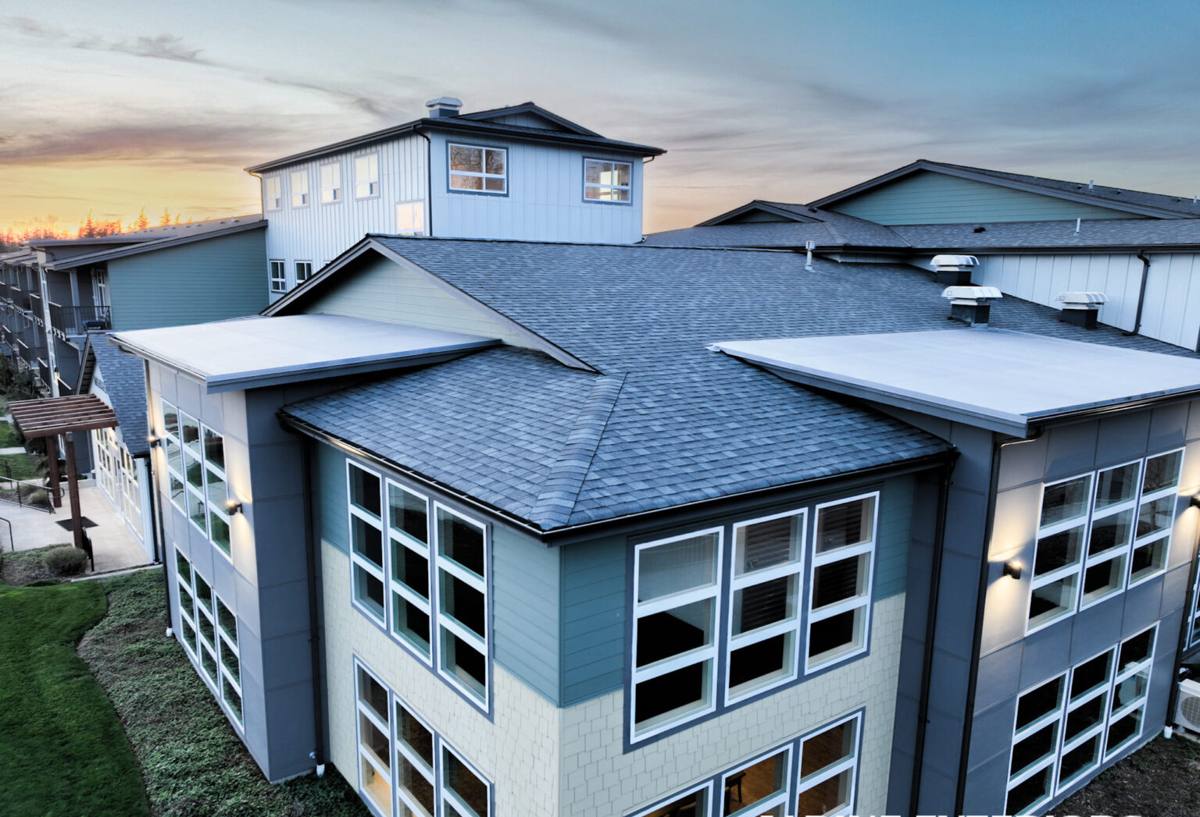
What Correct Siding Installation Actually Involves
Siding installation isn't just nailing panels to a wall. The siding itself is maybe half the system — the other half is everything underneath and around it that determines whether water gets managed or gets trapped. In a climate like Ferndale's, that second half matters more than usual.
The Water Management Layer
Behind every siding job we do, there's a weather-resistant barrier (housewrap or building paper) installed shingle-style so water is always directed downward and outward, never into a seam. Flashing goes at every horizontal transition — window and door heads, deck ledgers, roof-to-wall intersections — because these are the spots where driving rain finds its way behind cladding if the flashing is skipped or installed backwards.
Fastening and Fit
Fiber cement siding has specific fastening requirements: nail placement, penetration depth, and spacing all affect how the panel performs over decades, not just how it looks the day it goes up. Panels that are fastened too tight, spaced wrong, or nailed with the wrong fastener type are a common cause of early cracking and paint failure — problems that often get blamed on the siding material when the real issue was the installation.
Joints, Caulking, and Trim
Butt joints and trim transitions are where most siding failures start. We treat every seam as a place water will eventually try to get through, and detail it accordingly — proper joint flashing or sealant rated for the exposure, correctly primed and painted cut edges, and trim profiles that shed water instead of collecting it.
Why We Install James Hardie and Nothing Else
We are a James Hardie-only siding contractor. We don't install vinyl, LP SmartSide, Cemplank, Allura, or unfinished wood siding like primed spruce or cedar — not because those products have no place in the market, but because after years of installing and repairing siding in this climate, Hardie fiber cement is the product we trust to hold up here without turning into a maintenance project for the homeowner.
Fiber cement is non-combustible, which matters increasingly to insurers and homeowners alike. It doesn't absorb water and swell the way engineered wood products can if a seam or cut edge gets exposed, and it doesn't soften, sag, or become a target for pests the way untreated wood siding can. James Hardie's HZ5 product line is specifically engineered for climates with prolonged moisture exposure — which describes Whatcom County's wet season well. The factory-applied ColorPlus finish is baked on under controlled conditions, giving it better fade and chip resistance than field-applied paint, and it comes with a real, transferable warranty backing both the substrate and the finish.
None of this means other products are bad materials — vinyl is inexpensive and low-maintenance in mild climates, engineered wood has real fans, and cedar has genuine curb appeal. But we install one system, to one standard, so every Ferndale project we do gets the same product logic and the same installation discipline. That consistency is worth more to us — and to the long-term performance of your home — than offering a menu of options we'd install less carefully.
Siding Options Comparison
| Material | Moisture Behavior in Coastal/Wet Climates | Maintenance Burden | Why It's Not What We Install |
|---|---|---|---|
| Vinyl | Doesn't absorb water, but can warp, crack, or blow off in wind and temperature swings | Low, but color fades and can't be repainted easily | Limited lifespan in coastal wind/UV exposure; not repairable long-term |
| LP SmartSide (engineered wood) | Vulnerable at cut edges and seams if sealant fails; can swell if water gets in | Moderate — needs prompt attention to any damaged caulk or paint | Moisture sensitivity is a poor match for a high-rainfall, humid climate |
| Cemplank / Allura (other fiber cement) | Similar base material to Hardie, generally moisture-stable | Moderate — depends on finish quality and warranty support | We standardize on one product line for consistent installation training and warranty backing |
| Primed spruce or cedar | Natural wood; absorbs and releases moisture, prone to rot without diligent upkeep | High — regular repainting and sealing required | Highest long-term maintenance need in a wet, mossy climate |
| James Hardie fiber cement | Moisture and rot resistant, engineered HZ5 line for wet climates | Low — factory finish holds color and resists moisture damage | Our standard install — non-combustible, strong warranty, proven in this climate |
Dealing With Moss and Algae Growth
Moss season in Whatcom County isn't a minor nuisance — for siding, it's a sign that moisture is sitting somewhere it shouldn't be. Moss and algae need sustained dampness to establish, which usually means shaded, north-facing walls, areas with poor airflow, or surfaces where water isn't draining away properly. On lower-quality siding materials, moss can actually work into surface texture and micro-cracks, holding moisture against the substrate and accelerating deterioration.
James Hardie's factory-applied finish gives you a smoother, more consistent surface than field-painted or unfinished siding, which makes it harder for moss and algae to get a grip in the first place. Good installation practice also helps — proper clearance between siding and grade, correct flashing so water doesn't pool at the bottom edge, and attention to ventilation gaps behind the cladding all reduce the conditions moss needs to thrive.
Our Installation Process for Ferndale Homes
- On-site assessment — We look at your home's exposure: which walls take the worst weather, where existing moisture damage shows up, and what the current water management (or lack of it) looks like.
- Tear-off and substrate inspection — Removing old siding lets us check sheathing and framing for hidden rot before anything new goes up. This step catches problems that would otherwise get sealed behind new siding.
- Weather barrier and flashing installation — Housewrap, flashing at every penetration and horizontal transition, done in the correct shingle-lap sequence.
- James Hardie panel installation — Installed to manufacturer fastening specifications, with attention to joint placement and clearances.
- Trim, caulking, and finish detailing — All cut edges sealed and primed, joints detailed to shed water.
- Final walkthrough — We review the completed work with you before calling the job done.
What to Check Before You Hire Anyone for Siding Work
- Do they inspect and address sheathing/framing condition before installing new siding, not just cover it up?
- Do they follow manufacturer-specified fastening and clearance requirements, or just "however it's always been done"?
- Is flashing detailed at every window, door, and horizontal transition — not just at obvious spots?
- Do they carry proper licensing and insurance for exterior work in Washington?
- Can they explain, specifically, why they chose the siding product they're proposing for your home?
Why Local Experience in Ferndale Matters
A crew that regularly works Whatcom County's coastal-influenced side of the county already knows what to look for: which wall orientations tend to hold moisture longest, how much clearance to build in given the rainfall pattern, and where moss problems tend to start on homes in this specific environment. That's different knowledge than a crew that mostly works drier, inland climates and treats every job the same way. Consistent local work also means faster response if a warranty question or minor issue comes up after installation — we're not driving in from out of the area to service a callback.
Cost Factors to Understand
Siding installation costs vary based on several factors, and any honest contractor should walk you through them rather than giving a number with no explanation behind it:
| Factor | Why It Affects Cost |
|---|---|
| Home size and wall complexity | More square footage and more corners, dormers, and trim details mean more labor and material |
| Tear-off scope | Full removal of old siding and any sheathing repair adds time versus installing over sound existing substrate (when appropriate) |
| Substrate condition | Hidden rot or moisture damage found during tear-off requires repair before new siding goes on |
| Product line and profile | James Hardie offers multiple plank widths, textures, and the HZ5 climate-specific line, which affects material cost |
| Trim and detail work | Homes with more windows, corners, and architectural detail require more precision flashing and trim work |
We don't publish blanket pricing because every home's condition and scope is different — an accurate number requires actually looking at the walls, the trim, and what's underneath the current siding.
If your Ferndale home's siding is showing moss, peeling paint, soft spots, or you're simply planning ahead for a replacement, we're happy to take a look and walk you through what we find. Reach out for a free, no-pressure estimate — there's no obligation, and you'll get a straight answer about what your home actually needs.