 Lynden Roofing
 Deck Repair in Laurel: Built for What This Climate Does to Wood
Homes in the Laurel area, just outside Lynden, deal with a specific combination of weather that's harder on a deck than most homeowners realize. Marine air moving in off the Sound carries salt and moisture that settles into end grain and fastener heads. Driving rain during the fall and winter months finds every gap in flashing and every low spot where water can pool. And a moss season that stretches for much of the year keeps decking surfaces damp long after a sunny afternoon would normally dry them out. None of this means a deck is doomed — it means a deck needs to be repaired with those conditions in mind, not just patched with whatever's on hand.
This page covers deck repair specifically for Laurel: what tends to go wrong first, what a proper repair actually involves, and how we approach the job when we already know the neighborhood.
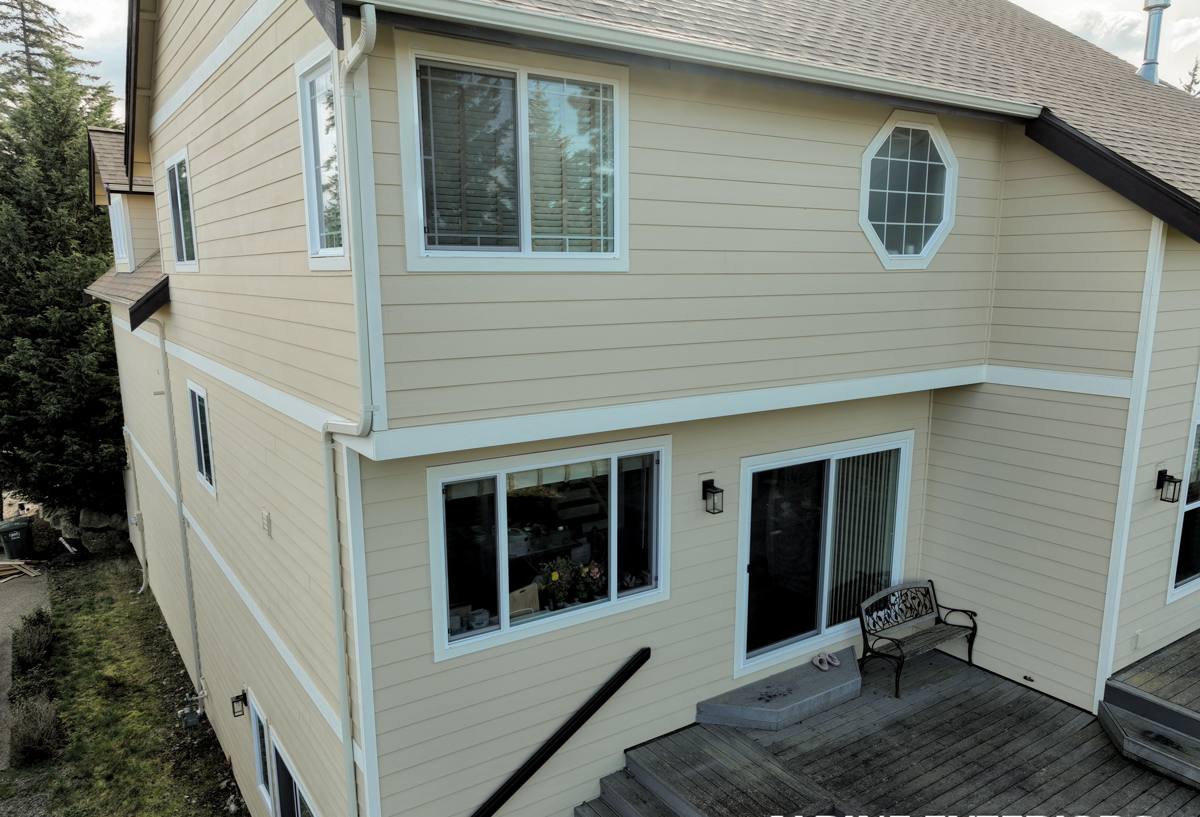
Why Laurel Decks Wear Differently Than You'd Expect
A lot of Whatcom County homeowners assume deck damage means the whole structure is failing. Usually it's more localized than that. The parts of a deck that see the most water contact — the ledger board where it meets the house, the joists directly under gaps in the decking, the bottom few inches of posts, and any stair stringers — take the brunt of the damage while the rest of the structure is still sound. Moss compounds this because it holds moisture against the wood surface instead of letting it shed, which is exactly the opposite of what you want on a deck board.
Salt-laden air also accelerates corrosion in fasteners and metal connectors faster than homeowners expect, especially on decks that were built with standard coated screws or nails instead of hardware rated for coastal exposure. A deck can look fine on the surface while the fasteners holding it together are quietly losing their grip.
Signs Your Deck Needs Repair Now
Some deck problems are obvious. Others hide until they become expensive. Here's what we tell Laurel homeowners to check before winter rains set in:
- Soft, spongy, or discolored decking boards, especially near the house or in shaded corners
- Visible moss or algae buildup that doesn't dry out even on clear days
- Gaps, cracks, or rust streaks around the ledger board where the deck attaches to the house
- Railings or posts that flex, wobble, or feel loose when you lean on them
- Fasteners that are rusted, popped up, or missing their heads
- Stairs that feel bouncy or stringers with visible splitting
- Standing water anywhere on the deck surface an hour after rain stops
- A musty smell coming from underneath the deck
Any one of these on its own might be a simple fix. Several together usually means it's time for a proper inspection before the damage spreads into framing that's more expensive to replace.
What a Correct Deck Repair Actually Involves
Structural Framing First
Before anything cosmetic happens, we check the ledger board, joists, beams, and posts for rot or fastener failure. A deck can have brand-new-looking boards on top and a compromised frame underneath — that's the part that actually holds people up, so it gets checked first, not last.
Ledger and Flashing
The ledger board connection is where most structural deck failures start, because it's the one place water is most likely to get trapped against the house. A correct repair means proper flashing that directs water away from the ledger and the house sheathing behind it, not just caulk smeared over the gap.
Decking Boards and Fasteners
Individual boards that are soft, cupped, or splitting get replaced rather than patched. We use fasteners rated for the exposure the deck actually sees — that matters more here than in drier inland climates, because standard fasteners corrode faster with salt-influenced air and near-constant moisture.
Railings and Code
Railings and guard posts take a lot of lateral stress over the years, and loose connections here are a safety issue, not just a cosmetic one. Repairs are brought up to current safety standards for height and spacing, not just re-secured in place.
Repair vs. Replacement: How We Help You Decide
Not every deck problem calls for a full rebuild, and not every deck is worth patching indefinitely. We walk Laurel homeowners through this honestly rather than defaulting to the bigger job.
| Factor | Repair Usually Makes Sense | Replacement Usually Makes Sense |
|---|---|---|
| Framing condition | Ledger, joists, and posts are structurally sound | Rot or fastener failure found in multiple framing members |
| Extent of damage | Isolated boards, one section, or a single connection point | Damage spread across most of the deck surface or frame |
| Age of the deck | Built or last rebuilt within the last 10-15 years | Original construction is decades old with no upgrades |
| Code compliance | Railings and stairs already meet current safety spacing | Railings, stairs, or footings fall well short of current standards |
| Budget goal | Extend usable life at lower upfront cost | Long-term value and full peace of mind matter more than upfront savings |
Most decks in the Laurel area that get regular attention fall into the repair category. The ones that get neglected for years, especially around the ledger board, tend to end up needing more extensive work.
Our Deck Repair Process
Inspection
We start underneath the deck, not on top of it. That's where rot and fastener corrosion show up first, and it tells us whether we're looking at a surface repair or something structural.
A Clear Plan
You get a straightforward explanation of what's actually wrong, what needs to be fixed now, and what can reasonably wait. No pressure to turn a repair into a rebuild if it doesn't need to be one.
The Repair Itself
We replace what's failed, correct flashing and drainage issues at the source, and use fasteners and hardware suited to this climate rather than whatever happens to be cheapest. A repair that doesn't address why the damage happened in the first place just buys you a few more years before the same problem comes back.
Cleanup and a Final Walkthrough
We clear debris, sweep the work area, and walk the deck with you so you know exactly what was done and what to keep an eye on going forward.
Materials We Use and Why
Pressure-treated lumber remains a solid, cost-effective choice for framing repairs because it resists rot well when properly installed and flashed. For decking surfaces, homeowners in Laurel choose between treated wood, cedar, and composite boards, and each has honest trade-offs: wood needs periodic sealing and cleaning to fight moss and moisture, while composite costs more upfront but sheds water and resists moss growth with less maintenance over time. We'll walk you through which fits your deck's exposure, your budget, and how much upkeep you actually want to do.
For fasteners and connectors, we favor hot-dipped galvanized or stainless hardware in areas exposed to more moisture and marine air, since standard coated screws corrode faster here than they would in a drier inland climate.
Why a Crew That Already Works Laurel Matters
Deck repair done right accounts for how a specific property sits relative to sun exposure, drainage, and prevailing wind and rain direction — details that vary house to house even within a small area like Laurel. A crew that regularly works this part of Whatcom County has already seen how moss, salt-influenced air, and driving rain interact with different deck orientations, framing ages, and material choices. That translates into fewer surprises during the inspection and repair recommendations that reflect what actually happens to decks here, not generic advice pulled from a different climate.
It also means straightforward, local accountability — you're working with a crew that's easy to reach if a question comes up after the work is done, not a name you found once and never see again.
Keeping a Repaired Deck in Good Shape
Once repairs are done, a little seasonal upkeep goes a long way given the local moss season. Sweeping debris off the surface regularly, keeping gutters and downspouts clear so water isn't dumping near the deck, and treating moss buildup before it takes hold all extend the life of the repair. If your deck already has drainage or shade issues that encourage moss growth, we'll flag those during the inspection so you're not fighting the same problem again next year.
If you're seeing any of the warning signs above, or just want an honest read on where your deck stands, we're happy to take a look. The estimate is free, there's no pressure to do more than what's actually needed, and you'll walk away with a clear picture of what your deck needs — use the form below to get started.