 Lynden Roofing
 Why Birch Bay Windows Take More Punishment Than Most
Birch Bay sits close enough to the water that homes here deal with a different set of stresses than a house a few miles inland in Lynden or elsewhere in Whatcom County. Salt-laden air moves in off the bay and settles on everything, including window frames, hardware, and exterior trim. Add Whatcom County's long wet season, frequent driving rain off the water, and the shade and moisture that keep moss thriving most of the year, and you've got a combination that wears out the wrong window fast.
Windows that were fine for a drier, more sheltered lot can fail early in Birch Bay. Seals degrade sooner. Aluminum hardware pits and corrodes. Wood sashes that aren't properly sealed or flashed start absorbing moisture at the joints. None of this is really about the window brand alone — it's about whether the frame material, glazing, and installation were matched to a shoreline climate in the first place.
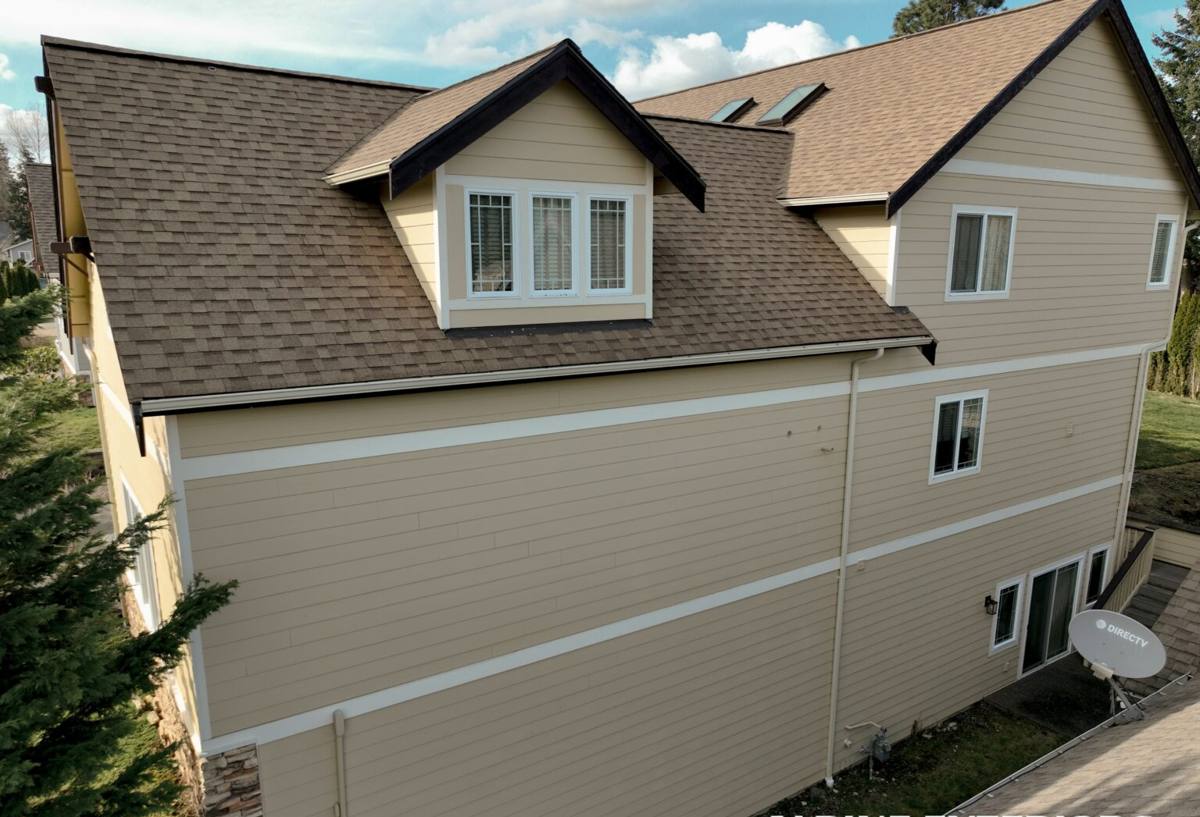
What Salt Air Actually Does to a Window
Salt air is corrosive in a slow, cumulative way. It doesn't show up as sudden damage — it shows up two, five, ten years down the road as pitted hardware, cloudy or discolored finishes, and hinges or locks that stick or seize. A few specific effects we watch for on Birch Bay homes:
- Corrosion on exposed metal components — hinges, cranks, locks, and weep hole covers — especially on lower-grade aluminum hardware
- Breakdown of exterior finishes and coatings that weren't rated for coastal exposure
- Accelerated wear on weatherstripping and seals, which lets moist air work into the frame
- Faster fading or chalking on vinyl and painted wood surfaces facing the water side of a house
None of this means windows can't hold up in Birch Bay. It means the frame material, hardware finish, and glazing package need to be chosen with that exposure in mind, not just picked off a standard product list.
Driving Rain and Wind-Driven Water Intrusion
The bigger day-to-day risk in this area isn't the salt itself — it's water finding its way in during a driving rain. When wind pushes rain sideways into a wall, a window that's only adequately flashed for calm conditions can leak at the corners, at the sill, or around the nailing flange. Once water gets behind the trim, it can sit there for a long time before anyone notices, and by then it's often damaged the sheathing or framing around the opening.
This is why the installation matters as much as the window unit itself. A correctly done window replacement or new install in a wind-exposed spot like Birch Bay includes:
- Proper sill pan flashing so any water that does get past the window sheds back outside, not into the wall cavity
- Correctly lapped house wrap and flashing tape at the head, jambs, and sill, in the right shingle-style order
- A continuous, gap-free bead of sealant at the right locations — not everywhere, since sealing the wrong spots can trap water instead of releasing it
- Careful attention to the weep system on the window itself, so it can actually drain the way it's designed to
A window with excellent glass and a mediocre installation will leak in this environment. A modest window installed correctly, with the flashing done right, will usually outperform it.
Moss and Shaded Exposures
Long moss season isn't just a roof problem. On homes with tree cover or north-facing walls, moss and algae growth on trim boards and around window casings holds moisture against the wood far longer than open, sun-exposed walls. That constant dampness is what rots trim and sill boards from the outside in, long before most homeowners notice anything wrong with the glass or the window itself. Keeping casings and sills free of built-up moss and debris, and choosing trim materials that don't feed that growth, protects the window opening as much as the window does.
Choosing the Right Frame Material for This Location
There's no single "best" window material for every home — it depends on exposure, budget, and how the house is built. For Birch Bay specifically, here's how the common options stack up:
| Frame Material | Coastal Performance | Maintenance | Typical Trade-Off |
|---|---|---|---|
| Vinyl | Good — won't corrode or rot | Low | Fewer custom color/shape options than wood or fiberglass |
| Fiberglass | Very good — stable in temperature swings, resists moisture | Low | Higher upfront cost |
| Wood (clad exterior) | Good if properly clad and flashed; interior wood still needs care | Moderate | Exposed wood surfaces need diligence in a wet climate |
| Aluminum | Weaker choice near salt air unless heavily treated | Higher over time | Prone to pitting and corrosion on hardware near the coast |
For most Birch Bay homes, we lean toward vinyl or fiberglass frames with corrosion-resistant hardware, or clad-wood units where the homeowner wants a specific look and understands the added upkeep. We'll walk through the honest trade-offs for your specific house rather than push one product line.
Glazing and Hardware Choices That Matter Here
Beyond the frame, a few details make a real difference in this climate:
- Dual or triple-pane glazing with a quality seal — failed seals show up as fogging between panes, and salt-air environments can accelerate seal wear if the unit wasn't built for it
- Stainless steel or coated hardware instead of standard-grade aluminum or bare steel, for locks, cranks, and hinges
- Low-E coatings to manage heat loss during Whatcom County's long, gray, damp winters
- Proper screen and weep hole design so wind-driven rain has somewhere to go besides your sill
None of these are exotic upgrades — they're standard-tier choices that happen to matter more here than they would on a drier, more sheltered inland lot.
Our Process for a Birch Bay Custom Window Job
1. On-Site Assessment
We look at each opening individually — sun exposure, wind direction, existing water damage or moss buildup around the trim, and the condition of the current flashing and sheathing where we can see it.
2. Product Recommendation
Based on that assessment, we recommend frame material, glazing, and hardware suited to that specific wall, not a one-size answer for the whole house. A shaded, wind-exposed wall facing the bay may call for a different spec than a sheltered wall on the opposite side of the same home.
3. Removal and Inspection
Old windows and trim come out carefully so we can inspect the sheathing and framing underneath for hidden rot or past water intrusion before anything new goes in. Any damaged material gets addressed before the new window is set — installing a new window over a compromised opening just repeats the problem.
4. Flashing and Installation
Sill pan flashing, properly lapped house wrap, and correct sealant placement come first, then the window is set, shimmed, and fastened to manufacturer spec.
5. Finish and Walkthrough
Interior and exterior trim is finished, hardware is tested, and we walk the job with the homeowner before we call it done.
What to Check Before Hiring Anyone for This Job
- Do they ask about your home's specific exposure — sun, wind, shade — or just quote a standard package?
- Do they explain their flashing and sealing method, or just talk about the window brand?
- Are they licensed and insured to work in Washington, and willing to put that in writing?
- Do they have experience with homes in coastal or high-moisture areas specifically, not just general remodeling?
- Will they inspect the framing and sheathing before installing, not just swap the window and trim?
A crew that already works regularly in Birch Bay and around the rest of Whatcom County has usually seen the specific failure patterns this environment causes — corroded hardware, rotted sills under moss, leaks at poorly flashed corners — and builds the job around avoiding them, rather than learning on your house.
Cost Factors for Custom Window Projects in This Area
Every home and project scope is different, so we won't quote a number without seeing the job, but the main factors that move the price on a Birch Bay window project are generally:
| Factor | Why It Matters Here |
|---|---|
| Frame material | Fiberglass and clad-wood cost more upfront than standard vinyl but hold up better to salt exposure |
| Number and size of openings | Larger or custom-shaped windows require more material and labor per unit |
| Condition of existing framing | Hidden rot or water damage found during removal adds repair scope before the new window goes in |
| Flashing and trim detail | Wind-exposed walls facing the bay often need more careful (and more time-intensive) flashing work |
| Access and site conditions | Upper-story or hard-to-reach openings take more time to stage and install safely |
Get a Free, No-Pressure Estimate
If you're weighing a custom window project for a Birch Bay home, we're happy to come take a look, walk you through what your specific openings need given their sun and wind exposure, and give you an honest, no-obligation estimate. Use the form below to get started.