 Lynden Roofing
 New-Construction Windows for a Blaine Build
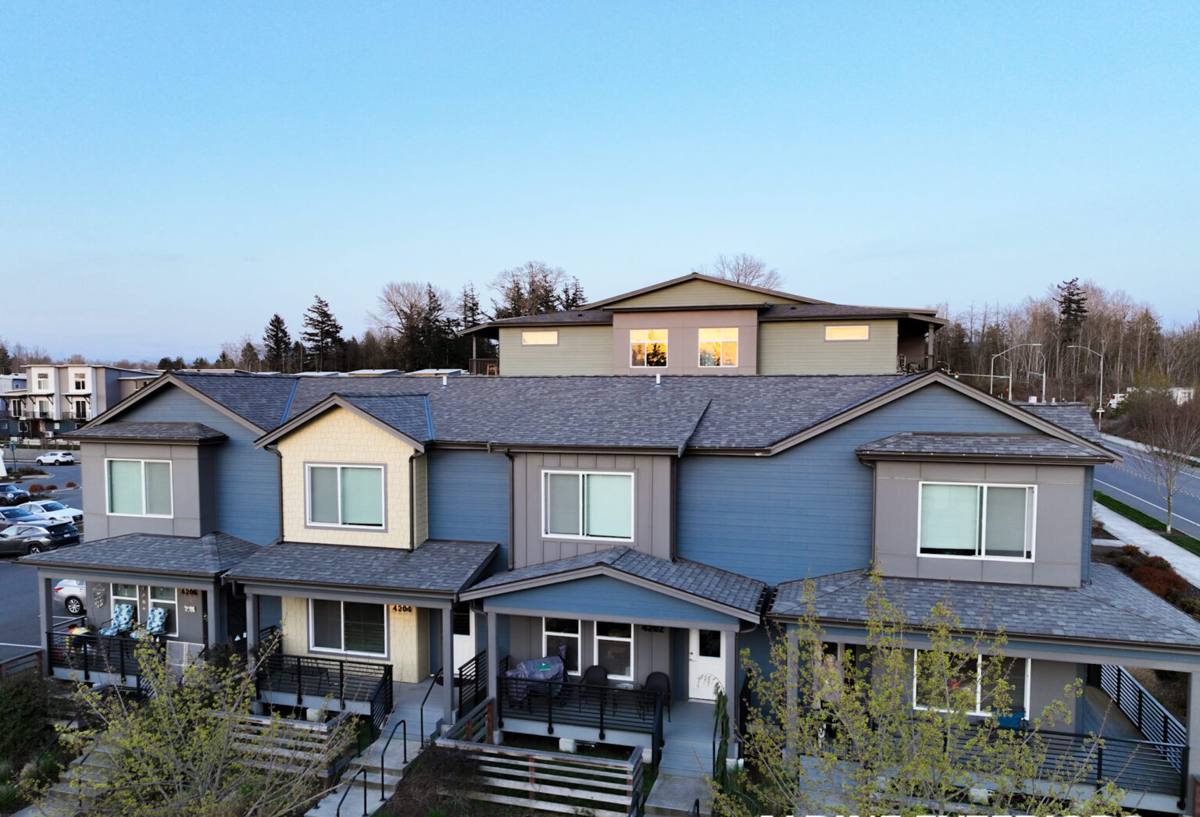
Blaine sits on Semiahmoo Bay, close to Drayton Harbor and the Canadian border, out toward the coast from Lynden's inland valley base. That location puts new construction here under a heavier climate load than most towns in Whatcom County see — steady salt-laden air off the bay, rain that comes in sideways more often than straight down, and mild, damp conditions that give moss and mildew a long season to work on anything that stays shaded or wet. A window is one of the first things in a new wall assembly that has to hold up against all of that, and new construction is the one point in a home's life where getting the installation right from the start is actually possible, rather than working around decisions someone else already made years ago.
Lynden Roofing Co works on roofs, siding, decks, and windows across Whatcom County, and new-construction window installation is a different job from replacement work in a lot of practical ways — we're coordinating with framers and builders, working off a raw opening instead of an existing wall, and setting flashing details before the weather-resistive barrier and siding ever go on. This page covers what a Blaine new-construction window project actually needs, what a correct install involves, and how we work alongside builders and homeowners on new builds in this specific part of the county.
What Blaine's Climate Demands From New Windows
Salt Air and Hardware Corrosion
Homes near Semiahmoo Bay and Drayton Harbor sit in a steadier dose of salt-carrying air than towns set farther inland, and that air works on exposed window hardware, screen frames, and fasteners from day one. On a new build, this is a product-selection and fastener-grade decision made once, at the start, rather than a repair made later — cheaper hardware finishes and standard fasteners tend to show pitting and stiffness well before a homeowner expects any wear at all.
Driving Rain and Wind-Driven Water
Storms coming off the water in Blaine push rain sideways more than they let it fall straight down, and that wind-driven pattern tests the flashing and sealing details around a new window far harder than it tests the window product itself. A new opening gives us full access to build the sill pan, jamb flashing, and head flashing correctly before anything covers it up — which is a real advantage over replacement work, where some of those details are already buried behind existing siding and can only be partially corrected.
A Long Moss and Mildew Season
Mild temperatures and near-constant moisture give moss and mildew a long growing season in Blaine, and shaded or north-facing walls are usually the first to show it. On a new build, elevation, roof overhang, and landscaping plans all affect how much moisture a given window opening will sit in for years afterward — worth factoring into the design before the framing is locked in, not after.
Why New Construction Is a Chance to Get This Right the First Time
Every window problem we find on an older Blaine home traces back to one of a handful of installation shortcuts — a sill pan that wasn't pitched to drain, flashing that wasn't lapped in the correct order, a weather-resistive barrier that wasn't properly integrated with the window flange. On a replacement job, correcting those issues usually means opening up siding and trim that's otherwise in good shape, which adds cost and disruption that the homeowner didn't plan for. On new construction, none of that exists yet. The rough opening is framed to spec, the weather-resistive barrier goes on before the window does, and the flashing sequence happens in the correct order the first time, because there's no old work to remove or work around. That's the real value of doing new-construction windows with a crew that treats the installation details as non-negotiable rather than as an afterthought behind the trim.
Choosing Window Products and Installation Method for a Blaine Build
New construction gives you more flexibility in installation method than a replacement project usually does, since the opening is built to the window rather than the window being fit into an existing one. The two most common approaches for a Blaine new build are nail-fin (flange) windows, which attach through a fin around the perimeter of the frame directly to the sheathing, and block-frame or receptor-frame windows, which sit inside a receptor and are more common on masonry or specific commercial-style openings. Most residential new construction in this area uses nail-fin windows because they integrate cleanly with standard wood-framed wall assemblies and a properly lapped weather-resistive barrier.
| Installation Method | How It Integrates With New Framing | Moisture Control in This Climate | Typical Use in Blaine New Builds |
|---|---|---|---|
| Nail-Fin (Flange) | Fin attaches directly to sheathing; flashing laps over the fin in shingle-style order | Strong when flashing sequence and sill pan are done correctly | Standard for most wood-framed new construction |
| Block Frame / Receptor | Frame sits inside a receptor set into the opening rather than surface-mounted | Depends heavily on receptor sealing and sill design | Masonry, stucco, or specific architectural openings |
| Clad-Wood Site-Integrated | Similar to nail-fin but with a wood interior frame requiring extra care at exposed joints | Good with correct flashing; interior wood needs upkeep over time | Higher-end builds prioritizing a wood interior look |
Frame material matters too, but on new construction it's a more open decision than it is on a replacement, since you're not constrained by an existing opening size or interior trim. Vinyl, fiberglass, and clad-wood all show up in new Blaine builds, and the right call usually comes down to budget, the look the design calls for, and how much long-term upkeep the homeowner wants to take on, rather than one material being categorically correct for this climate.
What a Correct New-Construction Window Install Involves
The sequence matters as much as the parts. On every new-construction window we install in Blaine, that means:
- Rough openings framed square, plumb, and to the correct size before the window ever arrives on site
- Sill pan flashing installed and pitched to drain outward before the window is set, not caulked in as an afterthought
- Weather-resistive barrier integrated with the window flange in proper shingle-lap order — barrier under the head flashing, over the jamb and sill flashing
- Self-adhered flashing tape rated for this climate's temperature range and UV exposure at all flange edges
- Corrosion-resistant fasteners appropriate for sustained salt-air exposure, not standard hardware
- Back-caulking or sealant behind the nail fin per manufacturer instructions, sized to the actual product being installed
- Weep holes and drainage paths left clear and functional, never sealed shut during install
- Temporary weather protection over the opening until siding closes the wall assembly, so the window isn't sitting exposed longer than necessary
Skip any one of these on a new build and the wall usually looks finished and performs fine for a season or two. The cost of a shortcut here shows up later as a stain on interior drywall near a window, or a sill that's gone soft behind trim that otherwise looks brand new.
Coordinating With Your Builder or General Contractor
New-construction window installation is a scheduling job as much as a technical one. Windows typically go in after framing and roof dry-in are complete and the weather-resistive barrier is up, and before siding starts — get that sequence out of order and you either delay the whole exterior schedule or compromise a flashing detail to keep things moving. We work directly with the general contractor or builder on timing, confirm window sizes and swing directions against the approved plan set before ordering, and flag anything in the framed openings — out-of-square rough openings, missing blocking, header height mismatches — before it becomes a change order discovered mid-install. On a build in a wet climate like Blaine's, we also try to time the window-and-flashing phase around the weather rather than around a generic schedule, since a rushed install ahead of a storm system is exactly the situation that produces a callback two winters later.
Meeting Washington's Energy and Building Code Requirements
New-construction windows in Whatcom County have to meet current Washington State Energy Code performance requirements for this marine climate zone, along with standard building code rules for egress and safety glazing — bedrooms need windows that meet minimum egress size and sill-height rules, and tempered glass is required near doors, low sills, stairs, and wet areas. We factor those requirements into the window schedule at the plan-review stage, not after the openings are framed, since a window ordered to the wrong spec is a far more expensive fix once it's already on site. Permitting and inspection on new construction in Blaine generally follows the same county process as the rest of Whatcom County, and we handle our portion of that documentation as part of the job rather than leaving it for the builder or homeowner to track down separately.
Why a Local Lynden Crew Already Working Blaine Matters
A crew that mostly works new construction farther inland can still install a competent window, but Blaine new builds carry variables that don't come up as often elsewhere in the county — corrosion-grade fastener requirements from sustained salt exposure, wind-driven rain loads tied to open exposure near the bay and harbor, and a moss season that runs longer here than in more sheltered towns. Working this area regularly on new construction means we already know what the local building department expects at inspection, which flashing tape products actually hold up through a Blaine winter before siding covers them, and how to sequence a window install around this town's weather rather than a generic schedule. That familiarity also means fewer surprises for the builder — coordination that fits into the existing framing schedule instead of working against it.
Get a Free, No-Pressure Estimate
If you're breaking ground on a new build in Blaine, or working with a builder who needs a window subcontractor that already understands this climate, we're glad to walk through the plans and give you a straightforward read on product options, installation approach, and timeline. Reach out using the form below for a free, no-pressure estimate.