 Lynden Roofing
 Windows Built for Laurel's Weather, Not Just Its Style
Homes in the Laurel area sit in a stretch of Whatcom County that takes weather seriously. Between the damp air rolling in off the water, long stretches of driving rain through fall and winter, and a moss season that never really ends, the windows on a Laurel home work harder than most homeowners realize. A window isn't just glass in a frame here — it's a seal against constant moisture, a barrier against wind-driven rain, and a surface that either sheds grime and moss growth or slowly collects it.
We install windows across Lynden and the surrounding Whatcom County communities, and Laurel homes get the same attention to detail every other neighborhood does, tailored to the specific exposure and construction we see in this area. This page walks through what a proper window installation actually involves here, what tends to go wrong when it's rushed, and how our process holds up over the long haul.
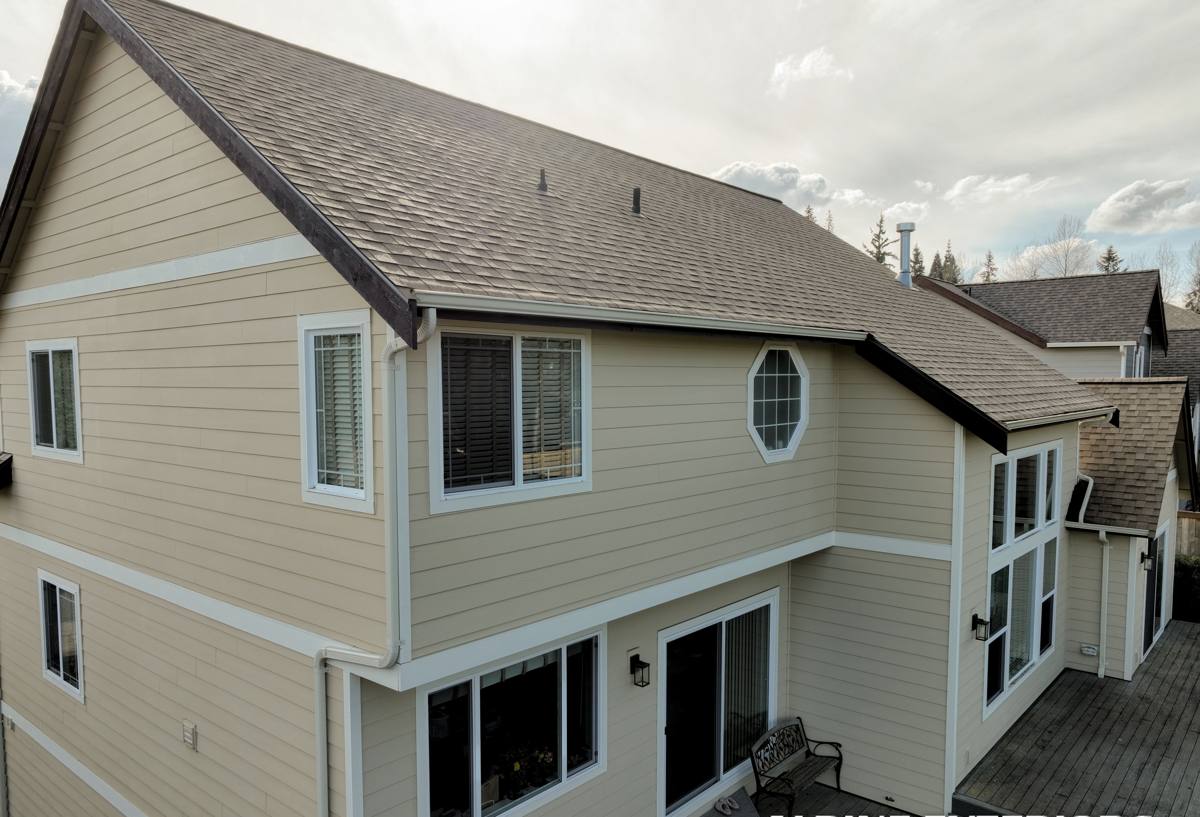
What Laurel's Climate Actually Does to Windows
It helps to understand the specific stresses at play before talking about installation, because the install is what determines whether a window survives these conditions or fails early.
Salt Air and Moisture
Even homes that aren't right on the water pick up salt-laden moisture that travels inland with coastal weather systems. Over time, this moisture accelerates corrosion on metal hardware, degrades weaker sealants, and creeps into any gap in the building envelope that isn't properly flashed. Aluminum and lower-grade vinyl hardware are especially vulnerable if they aren't rated for coastal-adjacent exposure.
Driving Rain
Whatcom County doesn't just get rain — it gets sideways rain, pushed by wind off the Strait and the Fraser Valley. That means water isn't just falling on a window, it's being forced against it and up under sills and trim. A window installation that relies on caulk alone to keep water out, without proper flashing and drainage planes behind the frame, will eventually leak. It's rarely a dramatic failure — it's a slow drip inside a wall cavity that shows up as rot or mold months or years later.
Moss and Prolonged Dampness
The long moss season here means anything that stays damp for extended periods becomes a growth surface. Window sills, exterior trim, and the bottom edges of frames are prime spots if water isn't shedding away properly. Moss holds moisture against wood and trim, which speeds up decay even where the window unit itself is sound.
Quick Reference: Climate Stress and What It Demands
| Climate Factor | What It Does to a Window | What the Install Needs |
|---|---|---|
| Salt-laden moisture | Corrodes hardware, weakens sealants over time | Corrosion-resistant hardware, marine-grade or equivalent sealants |
| Wind-driven rain | Forces water past surface caulk into wall cavities | Proper flashing, drainage plane, correctly lapped house wrap |
| Moss/prolonged damp | Holds moisture against sills and trim, accelerates rot | Sloped sills, drip caps, sealed but ventilated details |
| Temperature swings | Expands/contracts frame materials, stresses seals | Correct shimming and gap allowance, quality low-expansion sealant |
What a Correct Window Installation Involves
A window installation is judged almost entirely on what you can't see once the trim is back on. The visible frame and glass matter for looks and efficiency, but the flashing, sealing, and fastening underneath are what determine whether the window performs for the next 20-plus years or starts causing problems in five.
Removal Without Damage
Old windows come out carefully, with attention to the condition of the rough opening underneath. This is often the first place hidden problems show up — soft framing, old failed flashing, or signs of past water intrusion that need to be addressed before a new window goes in. Installing a new window into a compromised opening just locks the problem in behind fresh trim.
Flashing and Water Management
This is the step that separates a durable installation from one that leaks eventually. Proper flashing directs any water that gets behind the siding or trim back out, rather than into the wall cavity. In a climate with as much driving rain as this one, flashing sequence and overlap matter more than almost any other single detail in the job.
Leveling, Shimming, and Fastening
A window that's slightly out of level or improperly shimmed will operate poorly and stress its seals unevenly over time. Correct shimming supports the frame without distorting it, and fastening follows the manufacturer's schedule rather than being spaced by guesswork.
Sealing — Inside and Out
Exterior sealant keeps bulk water out; interior air sealing keeps conditioned air in and reduces condensation risk at the frame. Both matter, and they're not the same step. A window sealed only on the outside can still perform poorly on energy efficiency and be prone to interior condensation during cold, damp stretches.
Trim and Finish Work
The final trim isn't just cosmetic — sill design and trim detailing affect how well water sheds away from the window instead of sitting against it, which ties directly back into the moss and rot concerns common in this area.
Choosing the Right Window for a Laurel Home
Not every window product is a good fit for this climate, and material choice matters as much as installation quality.
Frame Material Trade-Offs
Vinyl windows with quality weatherstripping and UV-stable formulations hold up well and resist the corrosion issues that can affect lower-grade metal hardware. Fiberglass frames offer strong dimensional stability through temperature swings and resist moisture-related warping, which is a genuine advantage given how much this area cycles between wet and dry. Wood-clad options can look excellent but require more diligence on maintenance — any breach in the cladding exposes wood to the same moisture load everything else here contends with, so we're candid with homeowners about that maintenance commitment before they commit to the look.
Glass and Hardware
Double-pane, low-E glass is the practical standard for this climate — it manages both the heat loss from cool, damp winters and the condensation risk that comes with big indoor-outdoor humidity differences. Hardware should be corrosion-resistant; this is a small line-item detail that has an outsized effect on long-term performance in salt-influenced air.
Our Process for Laurel Window Installations
- On-site assessment — We look at existing window condition, rough opening health, and any signs of past water intrusion before quoting anything.
- Honest product recommendation — We walk through frame material and glass options suited to the home's exposure and the homeowner's budget, without pushing a single "house brand" that may not fit every situation.
- Scheduled installation — We plan around weather windows where possible, since a rushed install during a heavy rain stretch is exactly how flashing mistakes happen.
- Flashing and sealing done to sequence — Not shortcuts, not caulk-only fixes.
- Final inspection and cleanup — Operation, seal, and finish are checked before we call the job done.
Why a Crew That Already Works Laurel Matters
Window installation done right in Whatcom County looks different than the same job done in a drier, milder climate. A crew that primarily works inland or in less exposed regions may not default to the flashing sequence, hardware grade, or sill detailing that this area actually demands — not because they're careless, but because it's simply not the daily reality they're solving for. We work Lynden and the surrounding communities regularly, which means the driving-rain flashing detail, the corrosion-resistant hardware choice, and the moss-conscious sill design aren't add-ons we have to be reminded of — they're just how we build.
That local familiarity also means we're not guessing at what tends to fail first on homes like these. We've seen where sealant fails early, where sills stay damp too long, and where cheaper hardware corrodes ahead of schedule — and we build around those failure points from the start.
Signs Your Current Windows May Be Losing the Battle
- Visible moss or persistent green growth on sills or bottom trim
- Soft or discolored wood trim around the window frame
- Fogging or moisture between panes on double-glazed units
- Drafts or noticeable temperature difference near the window
- Difficulty opening, closing, or locking that wasn't there before
- Peeling paint or bubbling finish on interior or exterior trim
- Visible gaps in caulking or sealant that weren't addressed promptly
Any one of these on its own might just need minor maintenance. Several at once, especially combined with an older window's age, usually points to a bigger underlying issue worth having assessed.
Cost Factors Worth Understanding
Every home and project is different, so we don't publish blanket pricing, but a few factors consistently drive cost on window installation projects in this area:
| Factor | Why It Affects Cost |
|---|---|
| Rough opening condition | Rot or framing repair adds labor and material before the window itself goes in |
| Frame material | Vinyl, fiberglass, and wood-clad options carry different material costs |
| Number and size of openings | More or larger windows mean more labor and material |
| Glass package | Upgraded low-E coatings or specialty glass add cost but improve performance |
| Access and site conditions | Second-story or hard-to-access openings take longer to work safely |
We give a straight, itemized estimate on-site so a homeowner knows exactly what's driving the number, rather than a vague lump sum.
If you're weighing a window replacement or new installation for a Laurel-area home, we're happy to take a look and give you a straightforward, no-pressure estimate — just fill out the form below to get started.