 Lynden Roofing
 Custer's Climate Puts Extra Demands on Windows
Custer sits close enough to the Strait of Georgia and Birch Bay that salt-laden air is a regular visitor, even on days when the water feels miles away. Add in the wind-driven rain that rolls through Whatcom County for much of the year and a moss season that can stretch from fall through spring, and you've got a combination that's tougher on window frames, seals, and glazing than most manufacturers account for in their standard warranties. Homes here don't just need windows that look good and keep the heat in — they need windows and installations that can shrug off corrosion, resist wind-pushed water intrusion, and keep moisture from settling into wood trim and sills where moss and mildew take hold.
If you've owned a home in this area for more than a few winters, you've probably already noticed the effects: pitted or discolored aluminum hardware, soft spots in wood sills, foggy double-pane glass, or a draft near the frame that wasn't there when the house was new. None of that is unusual for Custer. It's just what happens when windows aren't matched to the conditions they're actually facing.
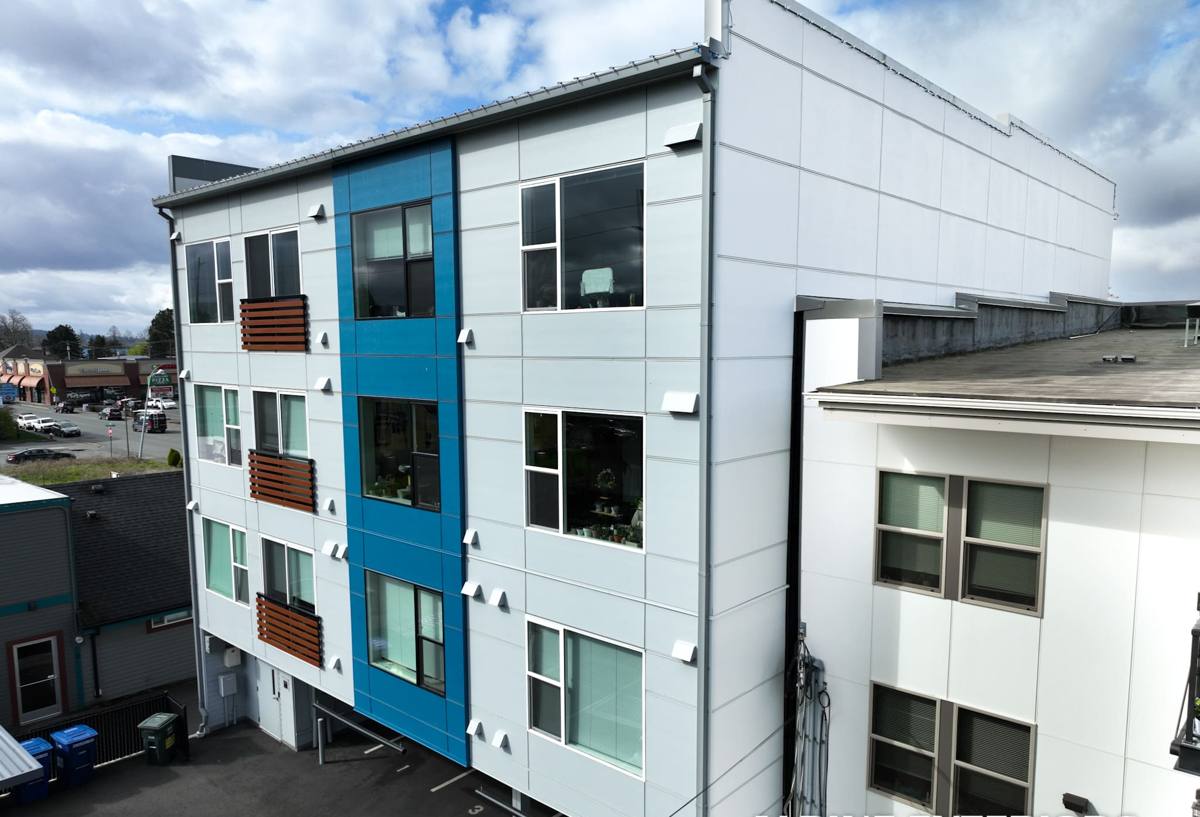
What Actually Makes a Window "Energy-Efficient" Here
"Energy-efficient" gets used loosely in this industry, so it helps to know what it actually refers to and which parts of that rating matter most for a home in this specific climate.
U-Factor and Solar Heat Gain
U-factor measures how well a window resists heat transfer — lower is better for our mild-but-damp winters, where the goal is keeping conditioned air inside rather than blocking summer sun. Solar Heat Gain Coefficient (SHGC) matters less here than it does in hotter, sunnier climates, but it still affects comfort near south- and west-facing glass on the clearer days we do get.
Air Infiltration Rating
This is the number we pay closest attention to for Custer homes. A window can have excellent glass and still perform poorly if the frame and sash don't seal tightly against wind-driven rain and gusts off the water. A low air infiltration rating paired with correct installation is what actually stops the drafts and moisture intrusion homeowners complain about.
Glazing and Gas Fill
Dual-pane windows with a low-E coating and argon gas fill are the practical standard for this region — they balance cost and performance well for our climate. Triple-pane glass adds another layer of insulation and can be worth it for north-facing rooms or homes right along more exposed stretches near the water, but it's not automatically necessary everywhere in Custer, and we'll tell you honestly when the upgrade isn't worth the added cost.
Choosing the Right Frame Material for Salt Air and Rain
Frame material is where a lot of window jobs succeed or fail in coastal-adjacent areas like this one. Here's how the common options hold up under Custer's specific conditions:
| Frame Material | Performance in Salt Air / Rain | Maintenance | Typical Trade-Off |
|---|---|---|---|
| Vinyl | Resists corrosion well, doesn't rust | Low — occasional cleaning | Limited color/finish options; can flex on very large openings |
| Fiberglass | Excellent — very stable, resists moisture and salt exposure | Low | Higher upfront cost |
| Wood-clad | Good if cladding is intact; interior wood needs protection from interior humidity | Moderate to high | More upkeep, especially in a long moss/damp season |
| Aluminum | Prone to pitting and corrosion in salt air over time; conducts cold | Moderate | Lower efficiency and shorter service life near the coast |
We don't install aluminum-frame windows on Custer homes as a matter of professional standard — not because it's a bad product everywhere, but because it performs poorly against the specific combination of salt exposure and moisture this area sees year-round. Vinyl and fiberglass are our default recommendations for most homeowners here, with the choice usually coming down to budget and how large the openings are.
Signs Your Windows Are Working Against You
Before recommending replacement, we look for concrete signs that a window has stopped doing its job — not just its age. Common indicators we see on Custer homes include:
- Fogging or condensation trapped between panes (a failed seal, not a cleaning issue)
- Visible daylight or airflow around the frame when the sash is closed and locked
- Soft, spongy, or discolored wood at the sill or interior trim
- Hardware that's corroded, pitted, or difficult to operate
- Moss or dark staining building up on the exterior frame or trim faster than on the rest of the siding
- A noticeable draft or cold spot near the window even when it's shut
- Rising energy bills without a clear explanation elsewhere in the home
Any one of these on its own might just need a repair or re-caulk. Several of them together, especially on original single- or older double-pane windows, usually mean it's time to talk about replacement.
How We Approach a Window Replacement in Custer
Assessment and Measurement
We start by inspecting the existing window openings — not just the glass and sash, but the condition of the framing, sheathing, and any water staining that points to prior leaks. Accurate measurements matter more here than in drier climates, because a poor fit is exactly where wind-driven rain finds its way in.
Removal and Prep
Old windows come out carefully to avoid damaging the surrounding siding or trim. If we find soft wood, hidden moisture, or old flashing that's failed, we address it before the new window goes in — installing a new window into a compromised opening just locks the problem behind new trim.
Installation and Flashing
This is the step that separates a window that performs for twenty-plus years from one that leaks within a few winters. Proper flashing sequencing — so water is always directed outward and downward, layer over layer, shingle-style — is non-negotiable on a job in this area. We also pay close attention to sill pan flashing, which gives any water that does get past the exterior a way to drain back out instead of sitting against the framing.
Final Sealing and Trim
Once the window is set, plumb, and secured, we seal and insulate around the frame, then finish the interior and exterior trim to match your home. We test operation and check the seal before calling the job done.
What Drives the Cost
Every home is different, but the main variables that affect price on a Custer window project are consistent:
| Factor | Why It Matters |
|---|---|
| Frame material (vinyl vs. fiberglass vs. wood-clad) | Material cost and expected service life vary significantly |
| Window size and configuration | Larger openings, bays, and custom shapes cost more to fabricate and install |
| Glass package | Dual-pane low-E/argon vs. triple-pane changes both performance and price |
| Number of openings | Whole-house replacement typically brings a lower per-window cost than a handful at a time |
| Condition of the existing opening | Hidden rot or old flashing failures add repair time before the new window can go in |
| Access and height | Second-story or hard-to-reach windows take more time and equipment |
We'll walk through these factors with you in plain terms during the estimate, so there are no surprises once the work starts.
Why Local Experience in Custer Matters
A crew that only occasionally works this far out in Whatcom County can miss things that are obvious to someone who sees this area's homes regularly — how far the salt air actually reaches inland, which orientations take the worst of the driving rain, and how quickly moss establishes itself on north-facing trim in this particular microclimate. That knowledge shapes real decisions: which frame material we recommend, how aggressively we flash an opening, and where we tell a homeowner an upgrade genuinely pays off versus where it's not worth the extra cost.
It also means we're not guessing about local permitting or code requirements for window replacement in this part of the county — we handle that as a routine part of the job, not a learning curve.
Caring for New Windows Through Moss Season
Energy-efficient windows still need basic upkeep to perform the way they're supposed to, especially here. A yearly check of the exterior caulk lines, keeping gutters and nearby drainage clear so water doesn't pool against the frame, and gently clearing any moss or organic buildup from sills and trim before it takes hold will go a long way toward protecting your investment. We're glad to point out what to watch for on your specific windows during the installation, and we stand behind our workmanship if something doesn't perform the way it should.
If your Custer home has drafty, foggy, or aging windows and you'd like an honest look at your options, we're happy to come take a look and put together a free, no-pressure estimate — just fill out the form below.