 Lynden Roofing
 Why Custer Homes Need Windows Built for This Climate
Custer sits close enough to the water that salt air is a real factor in how windows age here, not just a talking point. Combine that with Whatcom County's long wet season, driving rain that comes in sideways off the water during winter storms, and the moss and algae growth that thrives in the shade of mature trees on many Custer lots, and you get a climate that is genuinely hard on window assemblies. Frames swell and shrink with moisture cycles, seals get tested by wind-driven rain almost every month of the year, and anything with exposed fasteners or gaps in the flashing becomes an entry point for water sooner rather than later.
This isn't a page about windows in general. It's about what actually holds up on homes in and around Custer, what a correct installation looks like given this specific exposure, and how we approach the job when we're already working in the neighborhood.
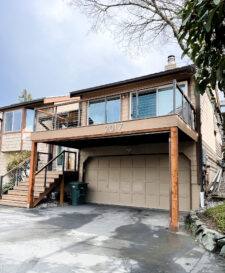
What Salt Air, Rain, and Moss Actually Do to a Window Over Time
Salt Air
Airborne salt accelerates corrosion on anything metal — hardware, hinges, screws, and lesser-quality cladding. It also degrades certain sealants and finishes faster than they'd wear inland. Windows closer to Birch Bay and the open water feel this first, but even homes a mile or two inland get enough salt drift to matter over a 15-20 year window lifespan.
Driving Rain
Wind-driven rain doesn't just hit a window — it gets pushed sideways and upward into any gap in the flashing or sealant. A window that would be fine in a calmer climate can leak here if the installation didn't account for wind pressure at the head, jambs, and sill.
Moss and Algae
Shaded, damp conditions on wooded Custer lots let moss and algae take hold on sills, trim, and frame surfaces that don't dry out quickly. Beyond the cosmetic issue, sustained moisture against wood trim or poorly sealed frame junctions is what eventually leads to rot and soft spots.
What a Correct Window Installation Involves
A window is only as good as the opening it's set into. Most of the failures we get called out to inspect trace back to the installation, not the product itself. A correct job in this climate includes:
- Proper flashing sequence — sill pan flashing installed first, side flashing lapped over it, and head flashing lapped over the side flashing, so water is always directed outward and down, never trapped behind the siding.
- A continuous weather-resistive barrier tied into the window flange with compatible tape or sealant, not just caulk applied around the trim after the fact.
- Correct shimming and leveling so the sash operates smoothly and the frame doesn't rack over time, which is a common cause of seal failure on older installs.
- Sill pan drainage so any water that does get past the outer seal has somewhere to go instead of sitting against the sill.
- Insulation around the frame that doesn't compress the frame or leave voids, both of which cause drafts and condensation issues.
- Interior and exterior sealant appropriate for coastal, high-moisture exposure, not a generic caulk that hardens and cracks within a few seasons.
Skipping or rushing any one of these steps is usually invisible on day one. It shows up two, five, or ten years later as staining, soft trim, or a window that won't seal tight anymore — and by then the fix is more involved than it would have been to do it right the first time.
Choosing the Right Window for Custer's Exposure
Frame material matters more here than it would in a drier, inland climate. Here's how the common options hold up against salt air, sustained moisture, and moss exposure:
| Frame Material | Moisture & Salt Air Behavior | Maintenance | Typical Fit |
|---|---|---|---|
| Vinyl | Doesn't rot or corrode; performs well against salt air and rain when properly installed | Low — occasional cleaning | Most Custer homes, good value |
| Fiberglass | Very stable dimensionally, strong resistance to moisture and temperature swings | Low | Higher-exposure sites, larger openings |
| Wood-clad | Attractive interior wood with exterior cladding, but cladding seams need careful sealing near the coast | Moderate — watch cladding seams and interior finish | Homes prioritizing a wood interior look |
| Bare wood | Most vulnerable to moisture, rot, and moss staining without diligent upkeep | High | Historic or restoration projects only, by owner preference |
| Aluminum | Prone to corrosion and condensation in this climate unless thermally broken | Moderate to high | Generally not our first recommendation here |
For most Custer homeowners, vinyl or fiberglass gives the best balance of performance and upkeep given the local exposure. We'll talk through the trade-offs honestly rather than steering everyone toward the same product — some homes and some owners have good reasons to choose differently.
Glass and Glazing Choices That Matter Here
Beyond the frame, the glazing package affects both comfort and long-term performance:
- Double-pane, argon-filled units are the baseline for this climate — they cut condensation risk and improve comfort near the glass on cold, damp mornings, which are common here.
- Low-E coatings help manage heat loss through Whatcom County's long heating season without noticeably darkening the room.
- Warm-edge spacers (as opposed to older aluminum spacers) reduce the cold spot at the edge of the glass, which is where condensation and eventual seal failure tend to start first.
- Impact or laminated glass is worth discussing for homes with more direct wind exposure, though it's not a requirement for most Custer properties.
Our Process, Start to Finish
1. On-Site Assessment
We look at the existing openings, the condition of the surrounding trim and sheathing, and any signs of past water intrusion — staining, soft wood, or failed caulk lines — before recommending a scope of work.
2. Product Selection
We walk through frame material, glazing, and style options based on the home's exposure, your budget, and how the windows need to perform, not just how they look on day one.
3. Written Estimate
You get a clear, itemized estimate before any work starts — what's included, what the timeline looks like, and what happens if we find hidden damage once the old windows come out.
4. Removal and Opening Prep
Old windows come out carefully to avoid damaging the surrounding siding and trim. If we find rot or damaged sheathing behind the old unit, we stop and talk to you before proceeding, rather than sealing a problem back up inside the wall.
5. Flashing and Installation
This is where the climate-specific detailing described above happens — sill pan, flashing sequence, air sealing, and proper shimming.
6. Final Walkthrough
We test every window for smooth operation and a tight seal, clean up the job site, and walk the exterior with you so you know exactly what was done and how to maintain it.
Common Window Problems We See on Custer Homes
- Fogging or condensation between panes — a sign the seal has failed and the insulating gas has escaped, usually meaning the unit itself needs replacing.
- Soft or discolored trim around the frame — often a sign water has been getting behind the trim for some time, sometimes from flashing that was never installed correctly.
- Windows that are hard to open or won't latch — frequently caused by frame racking from settling, moisture swelling, or a shim that failed over time.
- Persistent moss or algae staining on sills and lower trim — a maintenance issue on its own, but also worth checking that water is draining away from the sill and not pooling.
- Noticeable drafts near the frame in windy weather — usually an air-sealing gap rather than a defect in the window itself.
What Affects the Cost
| Factor | Why It Matters |
|---|---|
| Number and size of openings | More or larger windows mean more material and labor |
| Frame material | Vinyl is typically the most budget-friendly; fiberglass and wood-clad cost more upfront |
| Glazing package | Upgraded Low-E coatings and warm-edge spacers add cost but improve long-term comfort and performance |
| Condition of the existing opening | Rot or hidden damage found during removal adds repair work before new windows go in |
| Access and site conditions | Second-story or hard-to-access windows take more time to install safely |
We give broad, honest ranges up front based on what we see during the assessment, and we flag anything that could change the price before it becomes a surprise on the invoice.
Checklist: What to Ask Before Hiring a Window Contractor
- Do you carry current liability insurance and are you licensed to work in Washington?
- Will you show me the flashing and sealing details you plan to use before you start?
- What happens if you find rot or damage once the old window is removed?
- What's the manufacturer's warranty, and what does your own installation warranty cover?
- Can I get the estimate and scope of work in writing before any deposit is paid?
- Have you worked on homes in this specific area before, and do you understand the local exposure?
Why a Crew That Already Works Custer Matters
We're already doing roofing and exterior work throughout Lynden and the surrounding Whatcom County communities, including Custer, so we're not learning this area's climate on your project. We know what driving rain off the water does to a poorly flashed opening, we know how quickly moss takes hold on shaded, damp trim, and we know which details actually matter versus which ones are just upsells. That local familiarity shows up in the small decisions — how we sequence flashing, which sealant we trust in this exposure, and what we flag as a concern before it becomes a bigger repair.
Keeping Your New Windows Performing Long-Term
A correctly installed window still benefits from basic upkeep in this climate:
- Rinse sills and lower trim periodically to keep moss and algae from taking hold, especially on shaded sides of the house.
- Check exterior caulk lines once a year for cracking or gaps, particularly after a hard winter.
- Keep gutters and downspouts clear so runoff isn't sheeting down across window openings.
- Operate each window a few times a season, even ones you rarely open, to keep hardware and weatherstripping from sticking or seizing.
If you're weighing whether it's time to replace aging windows on a Custer-area home, or you're planning new construction and want it done right from the start, we're happy to take a look and give you a straight answer. Reach out for a free, no-pressure estimate using the form below.