 Lynden Roofing
 Windows Built for the Acme Area's Wet, Wooded Corner of Whatcom County
Acme sits in a part of Whatcom County where the weather doesn't do anything halfway. Homes here get long stretches of low-angle rain driven sideways by wind funneling through the valley, shaded lots where moss and moisture linger well into the drier months, and the general dampness that comes with living close to the foothills in a marine-influenced climate. Windows in this area aren't just a comfort feature or a design choice. They're one of the main things standing between a house and months of sustained moisture exposure every year.
A window that's fine in a dry inland climate can fail quietly here. Small gaps in flashing, sloppy sealant work, or the wrong glass package won't show up as a leak on day one. They show up two or three winters later as soft trim, fogged glass, or a musty smell near the sill that nobody can quite place. Installing windows correctly the first time matters more in Acme than it does almost anywhere else in the state, simply because the weather never really lets up long enough to dry things out and forgive a mistake.
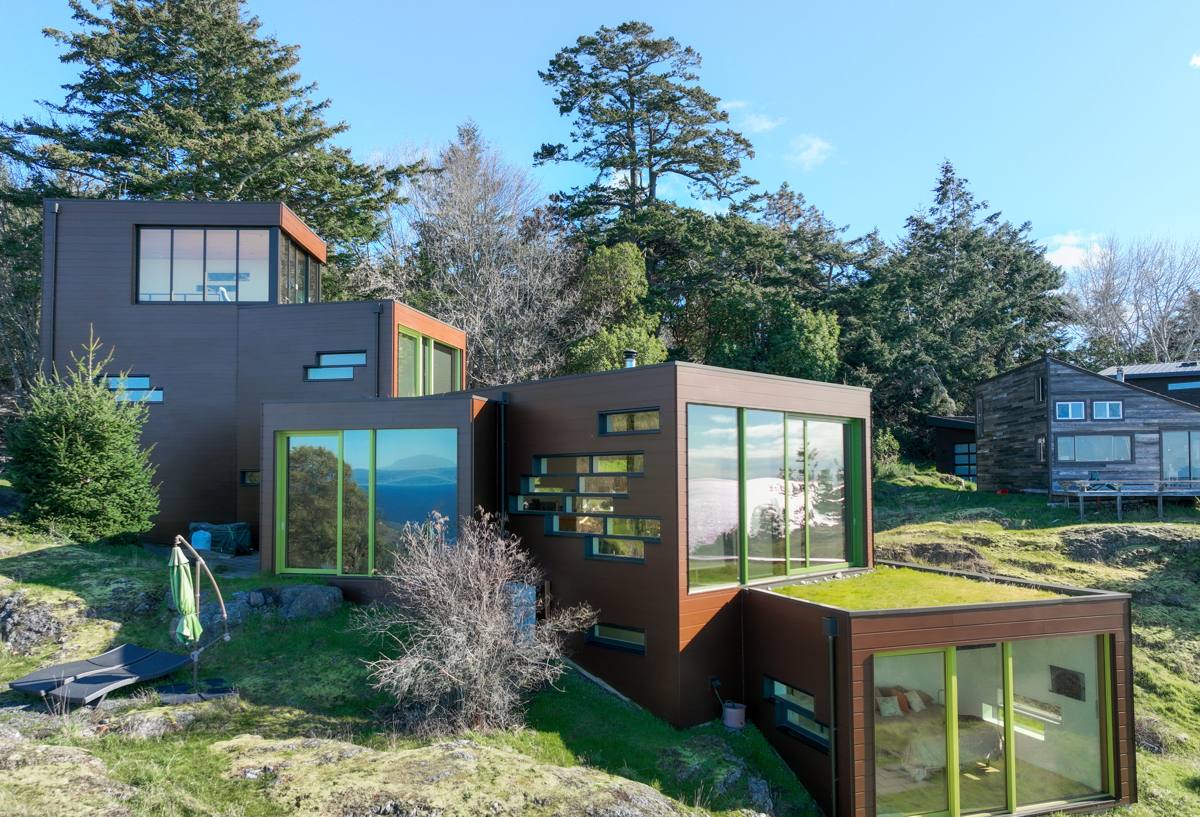
What Lynden's Climate Does to Windows Over Time
Whatcom County's climate is defined by persistent moisture more than by extreme cold. That distinction matters for window performance. The problems homeowners run into aren't usually about insulation value in the way you'd worry about in a colder, drier state — they're about water finding its way in and staying there.
- Driving rain pushed by wind doesn't just fall straight down onto a window — it hits at an angle and tests every seam, especially on west- and south-facing walls that catch the prevailing weather.
- Long moss season means organic growth can establish itself in window tracks, sills, and any spot where debris collects and stays damp for weeks at a time. Moss holds moisture against wood and vinyl surfaces far longer than plain rain does.
- Marine-influenced humidity keeps relative moisture levels high even between storms, so materials that would dry out in a drier climate stay damp longer, giving rot, mold, and seal failure more time to take hold.
- Shaded, tree-lined lots common around Acme mean less direct sun to dry out sills and frames after a storm, extending the window of vulnerability for any gap in the flashing or caulk.
None of this means windows are doomed to fail here. It means the installation has to account for a climate that stays wet longer than most, rather than assuming a quick dry-out period after each rain event.
Signs an Acme-Area Home Needs New Windows
Most window problems in this region develop slowly. By the time they're obvious, there's usually been water intrusion happening for a while. Here's what we look for, and what homeowners should watch for between visits:
- Wood trim or sills that feel soft, spongy, or show dark staining, especially at the bottom corners where water pools
- Visible fogging or condensation between panes on double- or triple-glazed units — a sign the seal has failed
- Moss or dark green growth building up in the window track or exterior sill, even after cleaning
- Drafts you can feel with a hand near the frame on a windy day
- Difficulty opening, closing, or latching a window that used to operate smoothly — often a sign the frame has swollen or shifted
- Peeling paint or bubbling on interior trim near the window, which usually points to moisture getting behind the surface
- A noticeable rise in heating costs without any other explanation
Any one of these on its own might not mean a full replacement is needed. Several together, especially on the sides of the house that take the worst weather, usually mean it's time for a real inspection rather than another round of caulk.
What a Correct Window Installation Actually Involves
Window installation looks simple from the outside — pull the old one, set the new one, trim it out. In a climate like this, the parts that actually determine whether the window lasts are the parts nobody sees once the trim goes back on.
Flashing and Moisture Management
Flashing is the single biggest factor in whether a window leaks. It has to be layered correctly — sill pan first, then side flashing, then head flashing — so that any water that does get past the exterior surface is directed back out rather than down into the wall cavity. This is also where most bad installs go wrong: skipped sill pans, flashing installed out of sequence, or house wrap that isn't lapped correctly over the top flange. In a climate with as much sustained rain as this one, there's very little margin for shortcuts here.
Air Sealing and Insulation
Gaps around the rough opening need to be sealed with a proper low-expansion foam or backer rod and sealant, not just packed with fiberglass insulation, which does nothing to stop air or moisture movement. Poor air sealing shows up as drafts and higher energy bills, but it also creates a path for humid air to reach cold surfaces inside the wall, which is exactly the kind of condensation risk that leads to hidden rot.
Choosing the Right Window for This Climate
Not every window product is a good fit for a wet, shaded, wind-exposed lot. We generally steer homeowners toward vinyl or fiberglass frames with a strong drainage system built into the sill, and away from wood-clad exteriors unless the homeowner understands and accepts the ongoing maintenance that wood cladding requires in this climate. It's not that wood windows are bad — it's that they demand a level of upkeep (painting, sealing, inspecting) that many homeowners underestimate when the house is surrounded by trees and shade for most of the year. Glass packages matter too: a good low-E, double- or triple-pane unit rated for the Pacific Northwest handles both the heat loss side and the condensation side of the equation better than a builder-grade single package.
Our Process, Start to Finish
- On-site assessment. We look at each window individually — sun exposure, wall orientation, existing damage, and how the current flashing was done — rather than quoting the whole house as one line item.
- Honest recommendation. We tell you which windows genuinely need replacement now, which can wait, and which just need better maintenance. Not every soft spot means a full replacement.
- Written estimate. Clear pricing by window, with the product, glass package, and installation scope spelled out, so there's no ambiguity about what's included.
- Removal and inspection of the opening. Once the old window is out, we check the sheathing and framing underneath for hidden rot before anything new goes in. This is often where old problems finally get found.
- Flashing and installation. Sill pan, side flashing, and head flashing installed in the correct order, window set plumb and level, and shimmed properly so it operates smoothly for years, not just on day one.
- Air sealing and trim. Interior and exterior sealing done to keep both air and water out, then trim work finished to match the home.
- Final walkthrough. We test operation, check the seal, and walk the homeowner through basic care before we call the job done.
Comparing Window Options for Acme-Area Homes
| Frame Material | How It Handles This Climate | Maintenance | Typical Fit |
|---|---|---|---|
| Vinyl | Good moisture resistance, won't rot; performance depends heavily on installation quality | Low — occasional cleaning | Most homes, especially budget-conscious replacements |
| Fiberglass | Excellent dimensional stability in wet, temperature-swinging conditions | Low | Homes wanting long-term durability and are willing to pay more upfront |
| Wood-clad | Good insulation, but exterior cladding is vulnerable if seals fail in a shaded, damp yard | High — regular inspection and refinishing | Homeowners prioritizing traditional appearance and willing to maintain it |
| Aluminum | Poor thermal performance and prone to condensation in this climate | Moderate | Rarely recommended for this region except in specific commercial contexts |
What Drives the Cost of a Window Installation
Every home is different, and we'd rather walk your specific windows than quote a number without seeing them. That said, a few factors consistently move the price:
| Factor | Why It Matters |
|---|---|
| Number and size of windows | Larger openings and full-house jobs have different labor and material needs than a single replacement |
| Frame material and glass package | Vinyl, fiberglass, and wood-clad options carry different material costs, as do double- versus triple-pane glass |
| Condition of the existing opening | Hidden rot or damaged sheathing found during removal adds repair work before the new window can go in |
| Wall exposure | Windows on the weather-facing side of the house sometimes need more careful flashing detail than sheltered ones |
| New construction vs. retrofit | Retrofitting an existing opening takes different techniques than framing for new windows |
We give straightforward, itemized estimates so you can see exactly what you're paying for and why, rather than a single lump-sum number.
Why a Crew That Already Works This Area Matters
A lot of window problems we get called out to fix didn't come from a bad product — they came from an installer who didn't account for how wet this part of Whatcom County stays for most of the year. Flashing details that would be fine in a drier climate aren't good enough here. A crew that regularly works Acme and the surrounding Lynden area already knows which wall orientations take the worst weather, how long moss season actually runs, and why a sill pan isn't optional on this side of the state. That local pattern recognition is the difference between an installation that looks right on the day it's finished and one that's still performing correctly five winters later.
There's also a practical side to hiring local: warranty service, follow-up adjustments, and seasonal maintenance are all easier when the crew that installed your windows is a short drive away, not a franchise dispatching whoever's available.
Maintaining Your Windows Once They're In
Even a correctly installed window benefits from basic seasonal care in a climate this wet. A short checklist we give every customer:
- Clear debris and moss from tracks and sills every few months, especially on shaded sides of the house
- Check exterior caulk lines once a year for cracking or separation, particularly after a hard winter
- Test that weep holes in the sill (where applicable) are clear and draining, not blocked by dirt or moss
- Look at interior trim near each window periodically for soft spots, staining, or peeling paint
- Operate each window a few times a year, even ones you rarely open, so hardware doesn't seize up
- Have flashing and seals inspected if you notice any of the warning signs described earlier in this page
None of this replaces a good installation, but it does extend the life of one considerably in an area where moisture never fully lets up.
Getting Started
If you're dealing with drafty, foggy, or hard-to-operate windows in the Acme area, or you just want an honest read on what condition yours are in, we're happy to come take a look. There's no pressure and no obligation — just a straightforward assessment and a written estimate you can think over. Fill out the form below to schedule a free estimate.